Zero Waste Living: 5 Practical Habits That Save Money
Practical steps to reduce waste, save money, and live sustainably in 2026.
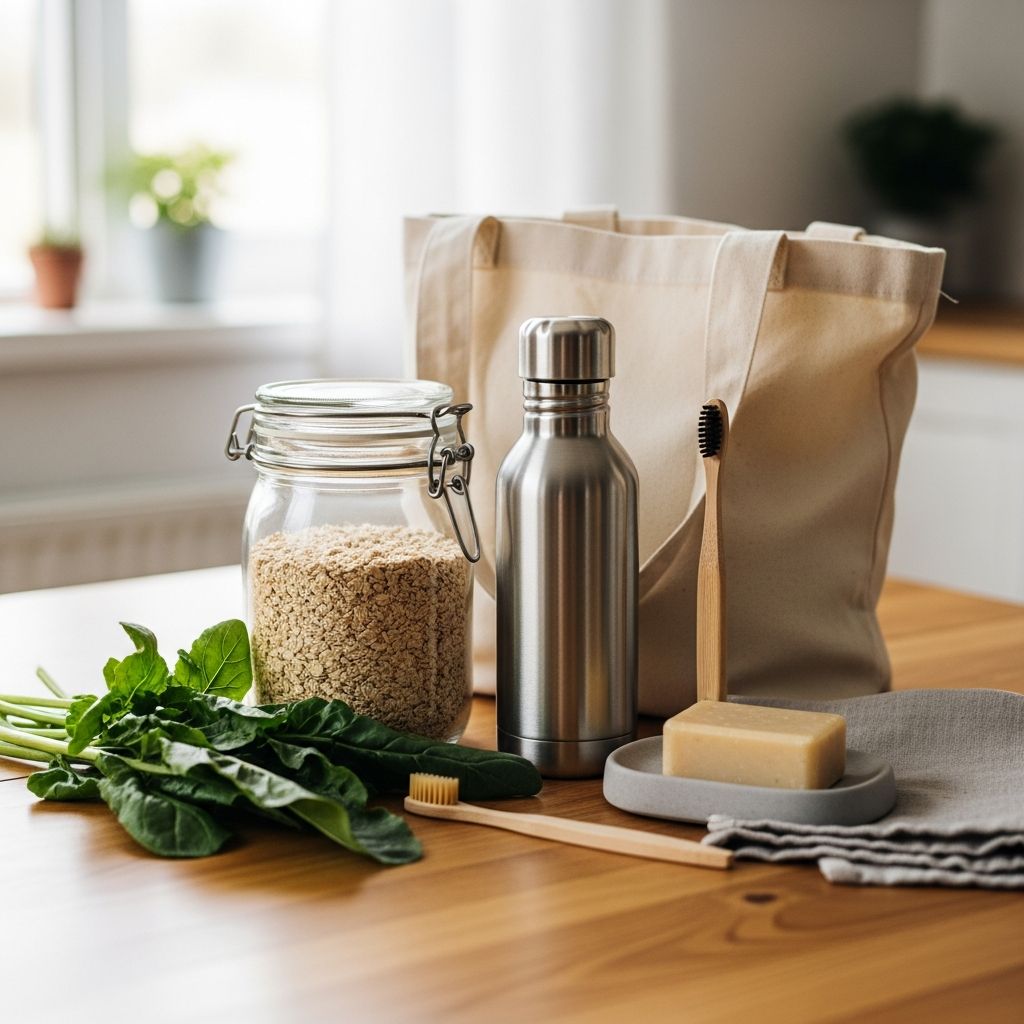
Adopting a zero-waste lifestyle means rethinking consumption to minimize trash sent to landfills, often leading to significant savings on groceries, household items, and more. This approach follows the
5 R’s
—Refuse, Reduce, Reuse, Recycle, Rot—creating a circular system that benefits your wallet and the planet.What Is Zero Waste Living?
Zero waste living prioritizes refusing unnecessary items, reducing consumption, reusing products, recycling properly, and composting organics to divert waste from landfills. Unlike total elimination of waste, it focuses on sustainable habits like bulk buying and DIY solutions, which can cut household expenses by up to 20-30% through less packaging and fewer impulse buys. A waste audit—sorting your trash for a week—reveals quick wins, such as excessive food scraps or plastic bags.
Embracing this mindset promotes a
circular economy
, where products are designed for longevity, repair, and recycling, complemented byminimalism
to own only essentials. In 2026, with rising landfill costs and eco-conscious consumers, zero waste is both a financial strategy and environmental necessity.The 5 R’s of Zero Waste
The foundation of zero waste is the
5 R’s hierarchy
, prioritizing prevention over disposal.- Refuse: Politely decline single-use plastics like straws, bags, and flyers. Carry a ‘zero waste kit’ with reusables to avoid them.
- Reduce: Buy less by choosing quality over quantity; evaluate needs before purchasing to curb overconsumption.
- Reuse: Opt for reusables like cloth bags, water bottles, and containers, extending item lifespans.
- Recycle: Know local rules for plastics, paper, and metals, but use as a last resort.
- Rot (Compost): Turn scraps into soil via backyard bins or vermicomposting, reducing landfill methane.
Step 1: Assess Your Waste and Set Goals
Start with a
waste audit
: Empty your bins weekly, categorize items (e.g., food waste 40%, packaging 30%), and track patterns. This identifies targets like kitchen plastics or clothing tags. Set realistic goals, such as ‘no plastic bags in a month,’ using an 80/20 rule—perfect most days, flexible occasionally. Apps or journals help monitor progress, turning data into actionable changes.Step 2: Build Your Zero Waste Kit
A portable
zero waste kit
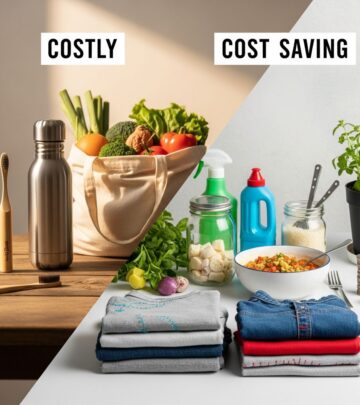
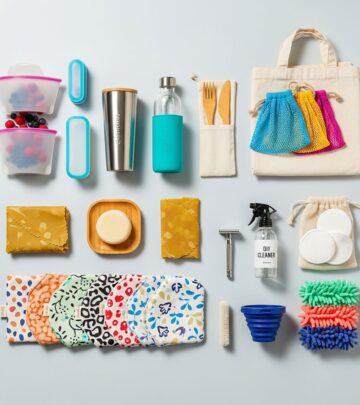
equips you for daily refusals. Essentials include:- Reusable shopping bags (cotton totes for groceries/produce).
- Stainless steel or glass water bottle.
- Bamboo utensils, straw, and napkin set.
- Collapsible containers for leftovers or bulk buys.
- Cloth produce bags and beeswax wraps.
Keep it in your bag or car; it sparks conversations and prevents single-use slip-ups.
Zero Waste in the Kitchen
The kitchen generates 30-40% of household waste, mainly food scraps and packaging. Transform it with these swaps:
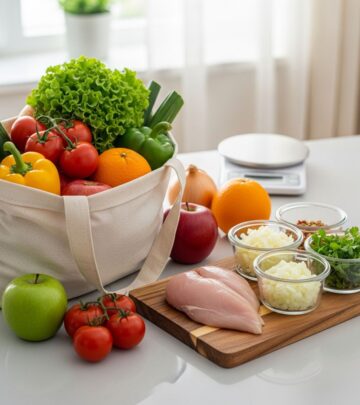
- Bulk Buying: Use jars at stores for grains, nuts, and spices; tare weights first to save money.
- Meal Planning: Shop weekly lists to avoid spoilage; freeze extras for smoothies or soups.
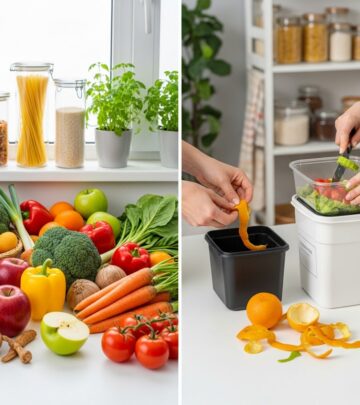
- Composting: Bin fruit/veggie peels; add worms for apartment-friendly setups.
- Reusables: Swap ziplocks for silicone bags, paper towels for Swedish dishcloths, and disposables for mason jars.
Services like Misfits Market deliver ‘ugly’ produce at discounts, cutting food waste.
Zero Waste Personal Care
Beauty aisles overflow with plastic; switch to solids and refills:
- Bamboo toothbrush, bar soap, shampoo/conditioner bars.
- DIY deodorant (baking soda, coconut oil) or refill stations.
- Reusable cotton pads, menstrual cups, and safety razors.
These reduce costs—bars last 2-3x longer than bottles—and microplastics in drains.
Zero Waste Shopping and Fashion
Evaluate Habits: Audit buys; rent tools, thrift clothes, choose package-free. Bulk stores and farmers’ markets minimize wraps.
For
fashion
, prioritize secondhand via apps/thrifts; invest in durable staples like denim or wool that outlast fast fashion. Repair hems or upcycle tees into bags.| Category | Disposable | Zero Waste Swap | Annual Savings |
|---|---|---|---|
| Shopping Bags | Plastic (500/year) | Cloth Tote | $50 |
| Produce | Plastic Bags | Mesh Bags | $20 |
| Water | Bottled | Steel Bottle | $200 |
| Utensils | Plastic Cutlery | Bamboo Set | $30 |
Table estimates based on average U.S. household data; actual savings vary.
Reducing Food Waste and Composting
Households waste 30% of food; combat with apps like Too Good To Go for surplus. Proper storage (e.g., onions not in fridge) extends life. Home composting yields free fertilizer; urban options include community drops.
Zero Waste at Home and On the Go
Declutter: Donate/sell extras. Use rags over wipes, refill cleaners. Commute via bike/public transit; rethink drives. Office kit prevents cafeteria plastics.
Challenges and Long-Term Success
Barriers include convenience and family buy-in; start small, educate kids via audits. Track savings to motivate—many report $500+ yearly.
Frequently Asked Questions (FAQs)
Q: Is zero waste expensive to start?
A: Initial reusables cost $50-100, but pay off quickly via savings; thrift for bargains.
Q: Can I do zero waste in an apartment?
A: Yes—vermicompost, balcony bins, bulk co-ops work indoors.
Q: How do I convince my family?
A: Involve them in audits, highlight fun DIYs and savings.
Q: What’s the biggest impact R?
A: Refuse—prevents waste upstream.
Q: Does zero waste save money?
A: Absolutely; bulk and reusables cut grocery bills 15-25%.
This guide empowers gradual shifts for lasting impact. Start today—one bag at a time.
References
- Embracing a Zero Waste Lifestyle: A Guide to Sustainable Living — Ribotl. 2023. https://www.ribotl.com/zero-waste-lifestyle-a-guide
- Six Simple Steps to Start Your Zero-Waste Journey — Keep America Beautiful (KAB). 2024. https://kab.org/six-simple-steps-to-start-your-zero-waste-journey/
- The Ultimate Guide to Zero Waste Living: Redefining Sustainability — Earth Warrior Lifestyle. 2023. https://earthwarriorlifestyle.com/blogs/news/the-ultimate-guide-to-zero-waste-living-redefining-sustainability
- Starting an eco-friendly lifestyle: tips for zero waste living — Polly Barks. 2024. https://pollybarks.com/blog/zero-waste-lifestyle-guide
- How to go Zero Waste: Get Started and Ditch the Single-Use Life — Zero Waste. 2023. https://www.zerowaste.com/blog/how-to-go-zero-waste-get-started-and-ditch-the-single-use-life/
- A Comprehensive Guide to Adopting a Low-Waste Lifestyle — Lynchburg Living. 2024. https://lynchburgliving.com/a-comprehensive-guide-to-adopting-a-low-waste-lifestyle/
Similar Articles








Read full bio of medha deb