Zero Waste Lifestyle: Costly or Cost-Saving?
Explore whether adopting zero waste habits drains your wallet or builds long-term savings through smart, reusable choices.
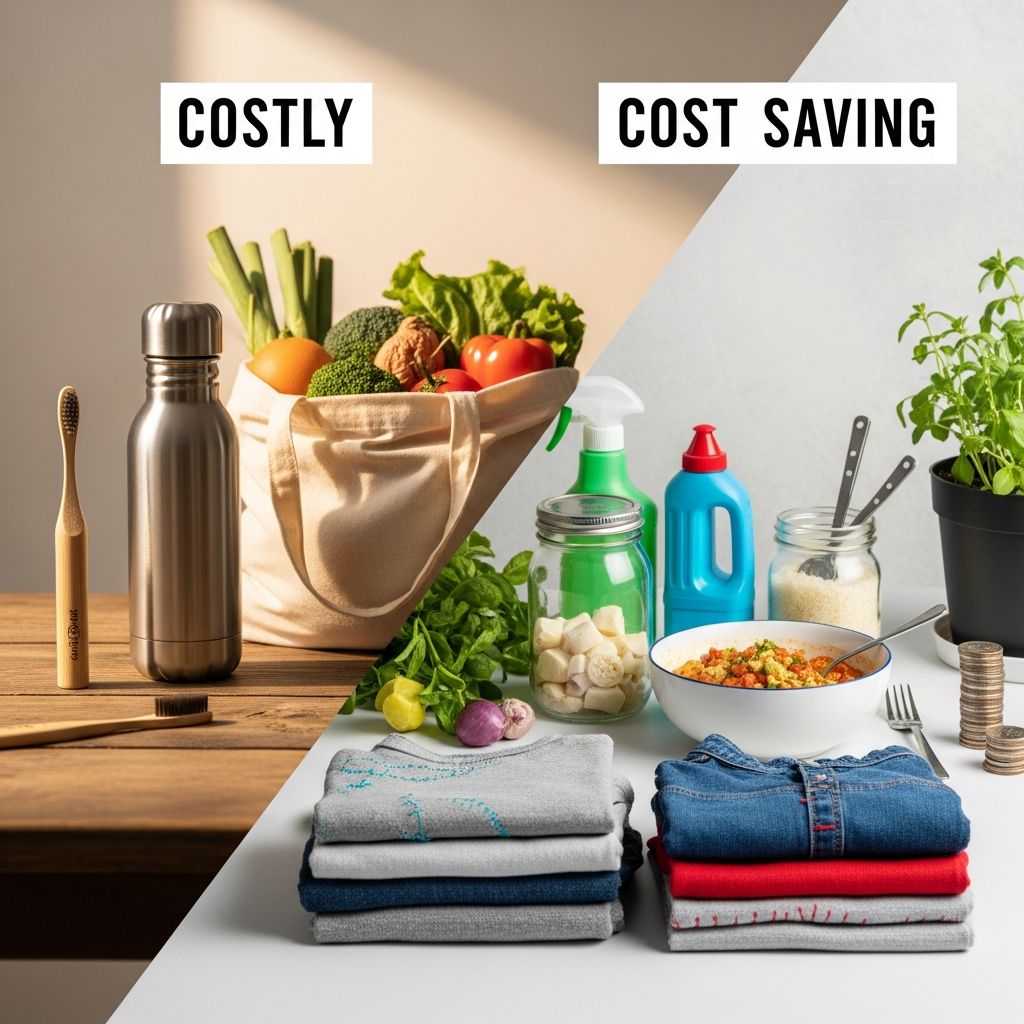
Adopting a zero waste lifestyle involves minimizing trash through reusables, bulk buying, and mindful consumption. Many worry about higher prices, but data shows it often leads to net savings over time, especially for households focused on durability and waste reduction.
The Upfront Investment Myth
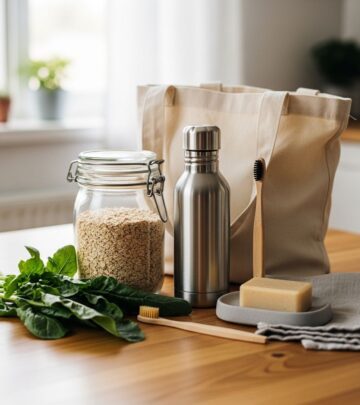
Zero waste transitions require buying durable items like glass jars or cloth bags, sparking fears of expense. However, these last years, unlike disposables replaced monthly. For instance, glass food containers cost $30-50 initially but endure 5+ years, outlasting plastic’s 1-2 year lifespan and avoiding $25-50 in replacements.
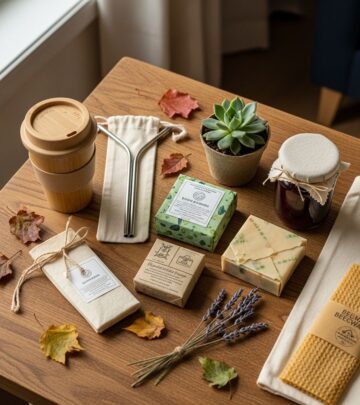
This pattern repeats across categories. Stainless steel straws ($8-12) replace endless disposables, paying off in months. The key is viewing purchases as investments, not costs. Average households recoup setups within 6-12 months, then save $250-400 yearly on kitchen essentials.
Household Essentials: Where Savings Add Up Fast
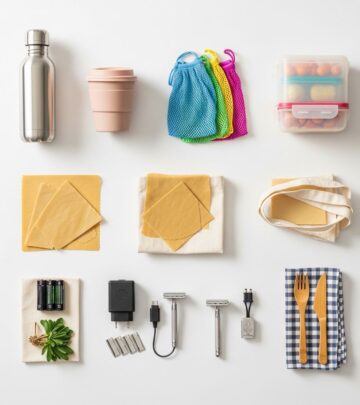
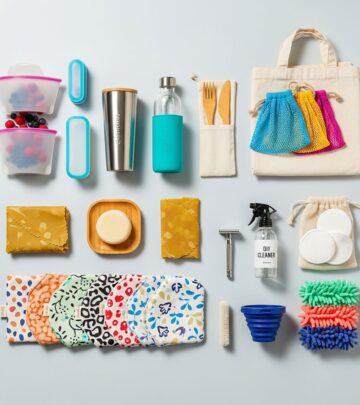
Everyday items offer quick returns. Cloth napkins ($15-25 set) beat paper towels ($30-40 annually). Beeswax wraps ($15-25) eliminate plastic wrap rolls ($30-40 yearly).
| Item | Disposable Cost (Annual) | Zero Waste Cost (Initial) | Break-Even Time |
|---|---|---|---|
| Paper Towels vs. Cloth | $30-40 | $15-25 | 6-9 months |
| Plastic Wrap vs. Beeswax | $30-40 | $15-25 | 6-9 months |
| Disposable Straws | $20+ | $8-12 | 3-6 months |
| Paper Plates vs. Bamboo Set | $20/pack (20-30) | $20 | 1 use cycle |
Cotton dishcloths ($4.99 for four) undercut paper towel rolls ($7 for two). Safety razors ($25-40) with cheap blades save over disposables ($0.32 each in bulk packs). These shifts cut recurring spends dramatically.
Grocery Habits and Food Waste Reduction
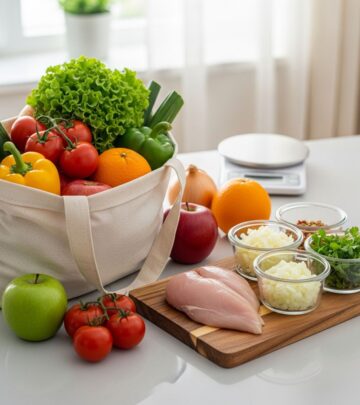
Bulk buying with reusables trims 10-15% from food bills by skipping packaging premiums. Fresh produce ($0.34/serving) halves packaged snacks ($0.67 average).
Food waste hits hard: U.S. households discard 40% of food, equating to $2,800 yearly on $7,000 spends. Zero waste curbs this via meal planning and storage, stretching budgets further. Canned goods ($255/year) nearly match fresh ($270), but zero waste emphasizes whole foods over processed.
- Shop bulk bins: Rice, nuts save via reusables.
- Own produce bags: Reusable totes ($0.99-3) beat plastic bags ($0.02 each, but volume adds up).
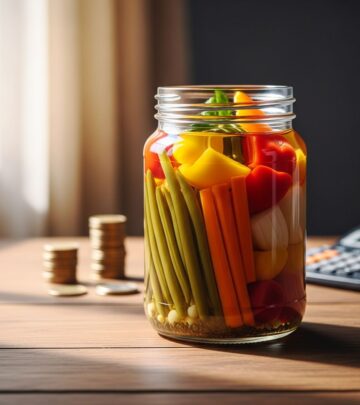
- Preserve extras: Jars for jams extend life, minimizing loss.
Personal Care: Hygiene Without the Waste
Bamboo toothbrushes ($3-5) match plastic prices but ditch waste. Tooth powders ($5-8/month) equal toothpaste without tubes.
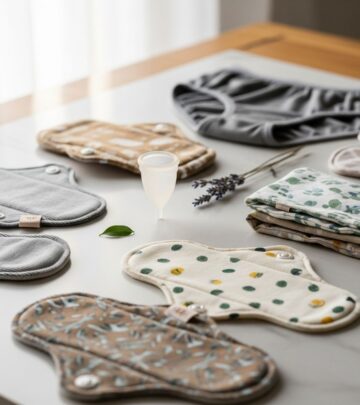
Menstrual products shine: Cups ($25-40, 10-year life) or underwear ($20-35/pair, 2-3 years) save $1,200-1,500 over a decade vs. disposables. Reusable pads follow suit, slashing pharmacy trips.
Beyond Home: Community and Municipal Gains
Zero waste scales up. Municipalities cut costs via reduced landfill use. Composting ($3/tonne) beats landfills ($19/tonne), with one program saving $754 daily.
Per-person costs drop from $8-119 yearly with diversion strategies offsetting incinerator/landfill fees (3-5x recycling costs). London could save £42 million by cutting plastics/food waste 20%. Businesses minimize procurement and disposal, turning recyclables into revenue.
Real Savings Projections
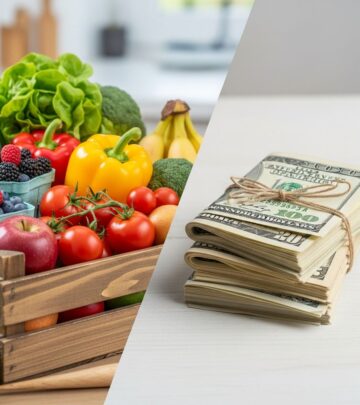
U.S. households save $1,200-2,500 annually post-transition, breaking even quickly. One analysis: disposables cost $233-873 yearly; reusables undercut via longevity.
ROI factors lifespan: Municipal composting (€95-140/person) halves landfill costs. Personal bulk/DIY cuts packaged goods/cleaners.
Challenges and Smart Strategies
Urban access limits bulk options; start small. Silicone spatulas ($10) double plastic ($5 packs), but durability wins. Paper straws (2.5¢) exceed plastic (0.05¢), so prioritize metal.
- Prioritize high-use items first.
- DIY cleaners: Vinegar/baking soda near-free.
- Secondhand reusables slash startups.
Environmental Bonus: Savings Beyond Dollars
Financial wins pair with cuts in carbon footprints and landfill loads. Reduced waste generation (15%) and residuals (59%) show systemic viability. Personal shifts prevent microplastics, pollution.
FAQs
Is zero waste always cheaper?
Not instantly, but long-term yes for most categories via reusables outlasting disposables.
How much to start a zero waste kitchen?
$100-200 covers basics like jars, bags, wraps; pays off in under a year.
Does bulk buying save money?
Yes, 10-15% via no packaging; fresher goods reduce waste.
Zero waste for renters?
Absolutely: Portable reusables, composting bins fit any space.
Municipal zero waste costs?
Savings via lower disposal; composting far cheaper than landfills.
Getting Started: Your Zero Waste Roadmap
1. Audit trash: Target top disposables.
2. Invest top 5: Bags, bottles, napkins, cups, jars.
3. Bulk shop weekly.
4. Track savings monthly.
5. Scale to care, cleaning.
This builds habits yielding financial freedom alongside sustainability. Initial hurdles fade as savings compound.
References
- Zero-Waste Living vs Conventional Alternatives: A Complete Cost … — Green Kulture. 2023. https://greenkulture.sg/blogs/news/zero-waste-living-vs-conventional-alternatives-a-complete-cost-environmental-impact-analysis
- Zero Waste Systems: Cost-Effectiveness Fact Sheet — Zero Waste Europe. 2019. https://www.no-burn.org/wp-content/uploads/Zero-Waste-Cost-Effectiveness-Fact-SheetENGLISH-1-1.pdf
- The Price Tag of Zero Waste: A Comprehensive Analysis [2026] — ClimateSort. 2026. https://climatesort.com/zero-waste-price/
- Zero waste living ISN’T expensive?! Here’s how much … – YouTube — YouTube. 2023. https://www.youtube.com/watch?v=xrOB0zv6zuI
- What Is the Cost-Benefit of a Zero-Waste Lifestyle? — Sustainability Directory. 2024. https://lifestyle.sustainability-directory.com/learn/what-is-the-cost-benefit-of-a-zero-waste-lifestyle/
- Cost analysis and ROI of zero waste programs — EOXS. 2024. https://eoxs.com/new_blog/cost-analysis-and-roi-of-zero-waste-programs/
- The Business Case For Zero Waste — Roadrunner WM. 2023. https://www.roadrunnerwm.com/blog/business-case-for-zero-waste
Similar Articles








Read full bio of Sneha Tete