Zero Lot Line Homes: 5 Steps To Buy Smart
Understanding zero lot line properties: benefits, challenges, and what homebuyers need to know.
When exploring the real estate market, you’ll encounter various property types and configurations. One term that frequently comes up in real estate discussions is “zero lot line” homes. Understanding what this means is crucial for potential homebuyers, as it significantly impacts your property ownership experience, lifestyle, and long-term investment value.
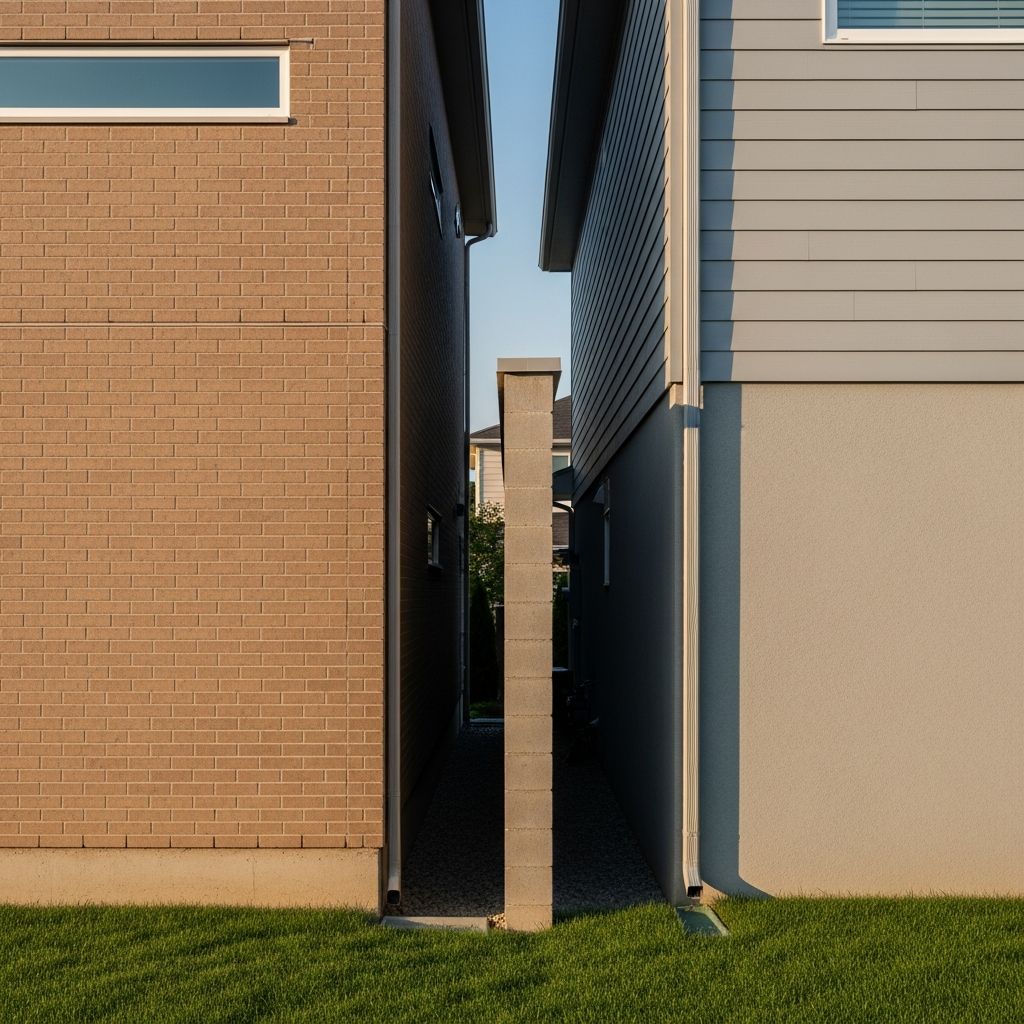
Typically, when you purchase a house, you’re acquiring not just the building itself but also the land on which it sits. As you explore the boundaries of the property, you might discover that the home extends very close to the lot line, sometimes with only the narrowest sliver of space remaining. This is a zero lot line home, and it’s more common than many homebuyers realize.
Understanding Zero Lot Line Definition
A zero lot line property is any property in which the structure of the home touches or comes very close to the boundary of the lot. In a zero lot line home, one or more walls of the structure runs along, or very close to, the property boundary line. In many cases, the home comes close enough to the lot line to leave only a sliver of outdoor space—hence the term “zero lot.”
Some zero lot line homes may even share walls with adjacent homes, such as rowhouses and townhouses. These properties are particularly common in high-density or urban residential developments where land is limited and efficient use of space is essential. The primary purpose of zero lot line development is to maximize land-use efficiency and housing density without expanding urban boundaries.
How Zero Lot Lines Work in Practice
To clarify how this concept works, consider the following scenario: As you’re shopping for a home, you find one you like but wonder why it doesn’t have any yard space on the left side. You research the boundary lines of the lot and discover that the left wall of the home runs just inside the property line. That makes it a zero lot line home. However, you appreciate everything else about the house and don’t foresee any need to expand or build an addition, so you decide to purchase it anyway.
By allowing structures to be built directly adjacent to the property edge, developers can create more living area or yard space on small parcels. Typically, one side of the building abuts the property boundary, while the other sides maintain required setbacks. These properties often include easements that grant neighboring property owners access for maintenance or repairs to shared or adjoining walls.
Advantages of Zero Lot Line Homes
Zero lot line homes offer several compelling benefits that appeal to many homebuyers:
Maximum Square Footage for the Price
One of the most significant advantages of zero lot line homes is cost-efficiency. With a property that uses the majority of its available land for indoor living space, you’re able to get more home for the money. A zero lot line house generally costs less per square foot than a house with more outdoor space. In other words, you’re not paying extra for extensive land that you won’t use. This makes zero lot line properties particularly attractive for budget-conscious buyers who prioritize indoor living space over yard area.
Less Outdoor Maintenance
If you’re someone who doesn’t enjoy gardening or yard work, zero lot line homes deliver exactly what you want. Minimal outdoor space means minimal work required to maintain it. You won’t need to invest in lawn equipment, spend weekends landscaping, or worry about maintaining extensive garden beds. This benefit appeals particularly to busy professionals, retirees who prefer less physically demanding responsibilities, and individuals with mobility challenges.
Community Feel and Social Interaction
With little to separate zero lot line homes from neighboring properties, people living in these types of residences often feel a greater sense of community. The proximity of homes creates natural opportunities for neighbors to interact and build relationships. If you like meeting and interacting with your neighbors and enjoy a walkable community atmosphere, this home type could be ideal for you. These developments often foster a neighborhood feel where residents know one another and participate in community activities.
Disadvantages and Considerations
While zero lot line homes offer advantages, they also come with important drawbacks that deserve careful consideration:
Limited Opportunity to Expand
If you think you may need more square footage in the future, a zero lot line home might present a challenge. While you may have the opportunity to build an additional story to increase your space, you likely won’t be able to expand its footprint horizontally. This limitation is particularly important to consider if you’re planning to grow your family or anticipate needing a home office or additional rooms for other purposes in the coming years. Before purchasing, think carefully about your long-term spatial needs.
Potential Property Line Issues
Property line disputes can happen with any real estate, but they can be particularly troublesome—and costly—if the actual structure of a home oversteps its lot line. When a home is built directly on or near the boundary, the stakes become higher if there’s any encroachment issue. Before you buy a zero lot line home, do your due diligence to ensure the structure doesn’t go past the boundary line. This may involve hiring a professional surveyor to verify exact property lines and confirm that the structure is properly positioned within legal boundaries.
Privacy and Noise Considerations
The proximity to neighboring properties in zero lot line developments means less privacy than traditional single-family homes with larger lot sizes. You may experience more noise from neighbors and have limited visual privacy, especially if windows or outdoor living areas are positioned close to adjacent properties. This is an important lifestyle consideration that varies based on individual preferences and tolerance levels.
Zoning and Regulatory Framework
Local zoning codes regulate zero lot line developments to ensure safety, privacy, and compliance with building and fire protection standards. Zoning for zero lot line homes is predetermined by the land developer. This means that before a development is built, the property limits for each lot and the style of home have already been determined by local authorities and developers in accordance with municipal regulations.
Different jurisdictions have varying regulations regarding zero lot line properties. These regulations typically address permissible setbacks, building heights, fire safety requirements, and access easements. Some municipalities allow zero lot line homes in planned unit developments (PUDs) or specific residential zoning districts designed for compact, efficient housing. Before purchasing a zero lot line home, it’s essential to understand the specific zoning regulations that apply to your property and any restrictions they may impose.
Ownership and Financial Considerations
When you purchase a zero lot line property, you own both the house and the land it’s built on. This distinguishes zero lot line homes from condominiums, where you typically own the unit but not the underlying land. Individual ownership of both structure and land provides more autonomy in decision-making regarding your property.
Zero lot line homes might have a higher initial purchase price compared to some attached housing types, due to individual ownership of land. However, the per-square-foot cost is typically lower than traditional single-family homes on larger lots. Monthly costs are also generally lower than condominiums, which often charge homeowner association fees and monthly maintenance charges. Over time, this can result in significant savings for zero lot line homeowners.
Zero Lot Line vs. Other Property Types
| Property Type | Land Ownership | Shared Walls | Monthly Fees | Expansion Potential |
|---|---|---|---|---|
| Zero Lot Line Home | Individual | Possible | Minimal to None | Limited |
| Traditional Single-Family | Individual | None | None | High |
| Townhouse | Individual | Yes | Minimal to Moderate | Limited |
| Condominium | Shared/Common | Yes | Yes (HOA Fees) | Very Limited |
Important Steps Before Purchasing
If you’re considering purchasing a zero lot line home, follow these essential steps:
Verify Property Boundaries: Hire a professional surveyor to confirm exact property lines and ensure the structure is properly positioned within legal boundaries. This step is non-negotiable when purchasing zero lot line properties.
Review Zoning Regulations: Understand the specific zoning ordinances and restrictions that apply to the property. Know what modifications or additions are permitted under local law.
Inspect Easements: Carefully review any easements that may affect your property. Understand what access rights neighbors may have and how they might impact your property use.
Assess Future Needs: Honestly evaluate your long-term housing needs. If you anticipate requiring significant expansion or additional outdoor space, a zero lot line home may not be ideal.
Review Title and Deed: Ensure the title is clear and review the deed thoroughly to understand all property rights and limitations.
Frequently Asked Questions About Zero Lot Line Homes
Q: What exactly is a zero lot line home?
A: A zero lot line home is a property where the structure of the home touches or comes very close to the boundary of the lot. One or more walls of the home runs along or very near the property boundary line, leaving minimal or no outdoor space on that side.
Q: Are zero lot line homes common?
A: Yes, zero lot line homes are not uncommon, particularly in urban and high-density residential areas where land is limited and efficient space use is important. They’re popular in planned unit developments and suburban communities.
Q: Can I expand a zero lot line home?
A: Expansion options are limited. You may be able to add another story to increase square footage, but expanding the footprint horizontally is typically not possible due to the proximity to property boundaries. Always check local zoning regulations before planning any additions.
Q: Do zero lot line homes cost less than traditional homes?
A: Zero lot line homes generally cost less per square foot than traditional single-family homes with larger lots. However, the overall purchase price depends on location, size, and market conditions. You’re paying less for land and more efficiently using the available space.
Q: What should I check before buying a zero lot line home?
A: Before purchasing, verify property boundaries with a surveyor, review zoning regulations and restrictions, inspect any easements, assess your long-term housing needs, and thoroughly review the title and deed. Don’t skip these steps—they’re crucial when property boundaries are tight.
Q: Are there any privacy concerns with zero lot line homes?
A: Yes, the proximity to neighboring properties means less privacy than traditional single-family homes. You may experience more noise and have limited visual privacy. Consider your personal preferences regarding privacy before purchasing.
Q: Do zero lot line homes have shared walls?
A: Some zero lot line homes have shared walls with adjacent properties, similar to townhouses or rowhouses. However, not all zero lot line homes share walls—this depends on the specific development design. Always verify this during your inspection.
Bottom Line
A zero lot line property is any property in which the structure of the home touches or comes very close to the boundary of the lot. Because they can be more cost-effective and come with little maintenance, these houses deliver genuine appeal to many homebuyers. The efficient use of space, lower per-square-foot costs, and reduced outdoor maintenance make zero lot line homes attractive options for budget-conscious buyers and those who prefer minimal yard work.
However, before purchasing a zero lot line home, make sure you do your homework. Pay particular attention to getting clarity on the actual property boundaries, understanding zoning restrictions, reviewing any easements, and honestly assessing your long-term housing needs. Consider whether the limited expansion potential and reduced privacy align with your lifestyle preferences and future plans.
Zero lot line homes represent a smart real estate choice for the right buyer. They offer an efficient way to own your own home and land while maximizing your investment in urban and suburban markets where space is at a premium. By understanding what zero lot line homes are, carefully weighing the advantages and disadvantages, and conducting thorough due diligence before purchase, you can make an informed decision about whether this property type is right for you.
References
- Zero Lot Line Homes: What Does It Mean? — Bankrate. 2025. https://www.bankrate.com/real-estate/zero-lot-line-meaning/
- Zero Lot Line — Legal Glossary Definition 101, Barnes Walker. 2025. https://barneswalker.com/legal-glossary/z/zero-lot-line/
- Zero Lot Line Homes — Brookfield Residential. 2025. https://www.brookfieldresidential.com/news-and-blog/zero-lot-line-homes
- Housing Innovations Program: Zero Lot Line Development — Puget Sound Regional Council (PSRC). 2025. https://www.psrc.org/media/2068
- Zero Lot Line Homes: Pros and Cons of Zero Lot Line Houses — MasterClass. 2025. https://www.masterclass.com/articles/zero-lot-line-explained
Similar Articles








Read full bio of Sneha Tete