Zero Available Credit: 5 Practical Ways To Restore It
Discover why your credit card shows zero available credit, its impacts on finances, and proven strategies to restore your spending power quickly.
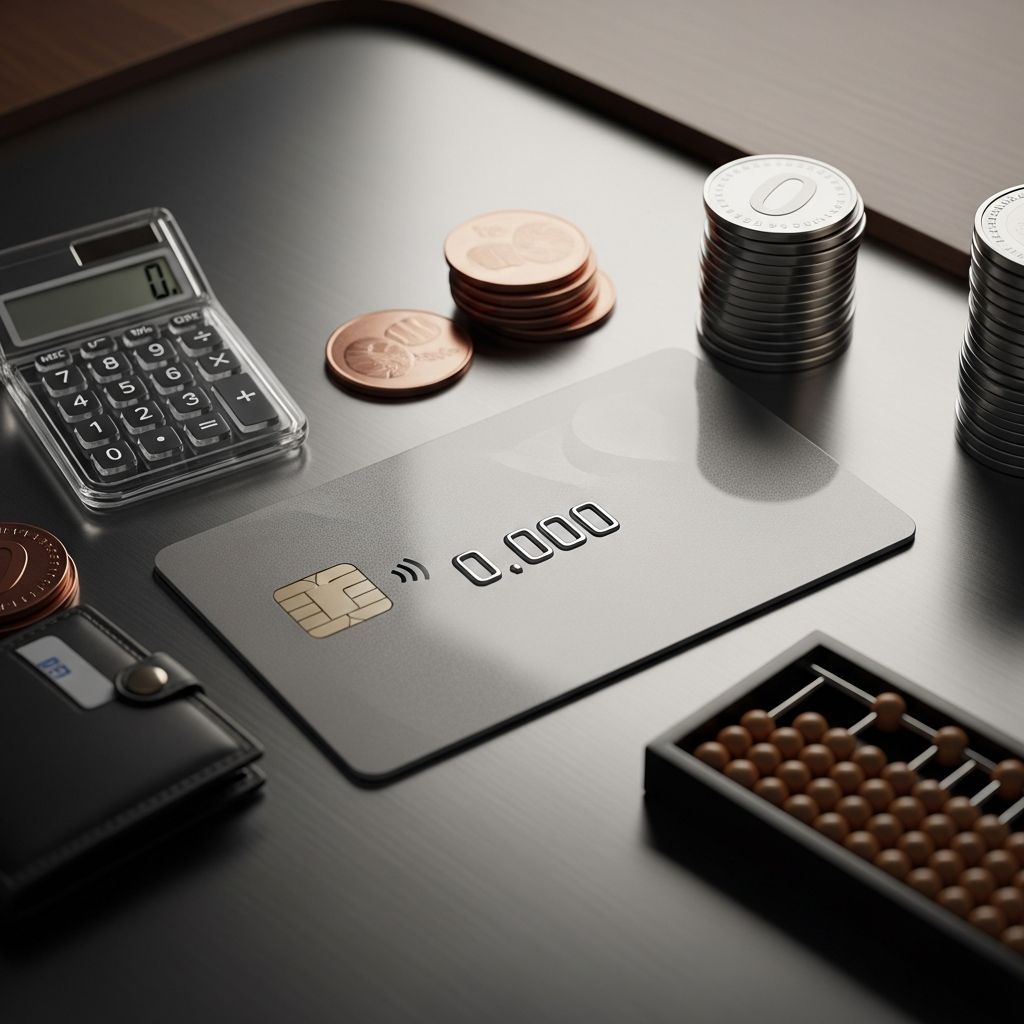
When your credit card displays zero available credit, it signals that your spending capacity has hit rock bottom. This occurs when your current balance equals or exceeds your credit limit, leaving no room for additional purchases. Grasping this concept is vital for maintaining financial flexibility and protecting your credit health.
Defining Available Credit Fundamentals
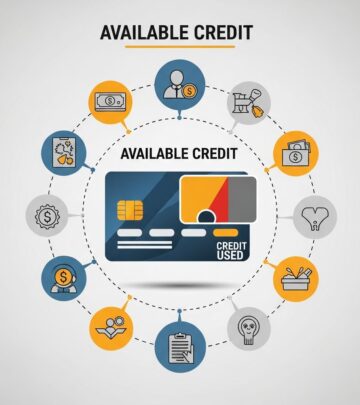
Available credit represents the portion of your credit limit not yet used, calculated as credit limit minus current balance. For instance, with a $5,000 limit and $1,000 balance, you have $4,000 available. Pending transactions further reduce this figure immediately, even before they post to your balance.
Zero available credit means every dollar of your limit is allocated to existing charges, interest, or holds. This isn’t always a zero balance; a paid-off card shows full available credit, while heavy usage or delays in payment posting can drop it to nothing.
Primary Causes of Zero Available Credit
Several factors can drive available credit to zero:
- High Spending: Frequent purchases quickly erode available funds, especially near billing cycle ends.
- Pending Transactions: Holds from gas, hotels, or online buys temporarily lock credit, reducing availability without updating balances.
- Interest Accrual: Unpaid balances accrue interest monthly, chipping away at available amounts.
- Fees and Charges: Late fees, annual fees, or over-limit penalties add to balances unexpectedly.
- Payment Processing Delays: Payments take 1-5 days to reflect, keeping available credit low temporarily.
| Factor | Impact on Available Credit | Example |
|---|---|---|
| Purchases | Decreases immediately | $10,000 limit – $10,000 spent = $0 |
| Pending Charges | Reduces without posting | Gas hold of $100 drops availability by $100 |
| Payments | Increases after processing | $500 payment restores $500 after 2 days |
| Interest/Fees | Lowers gradually | 2% interest on $5,000 adds $100 deduction |
Immediate Consequences of Hitting Zero
Reaching zero available credit disrupts daily finances. Transactions decline at checkout, causing embarrassment and forcing alternative payments. Issuers may impose over-limit fees if charges push beyond limits, alongside penalty APR hikes.
Your credit utilization ratio—balance divided by limit—spikes to 100% or more, severely harming scores since it comprises 30% of FICO calculations. High utilization signals risk to lenders, potentially lowering scores by 50-100 points. Account closure or limit reductions can follow repeated max-outs.
Current Balance vs. Available Credit: Key Distinctions
These terms differ critically. Current balance is the total owed from posted transactions. Available credit is spending power after subtracting balance and pendings from the limit.
- Balance rises with spending, falls with payments.
- Available credit inversely moves: shrinks with use, grows with payoffs.
- At cycle start with zero balance, they align at full limit.
Example: $10,000 limit, $2,000 balance, $500 pending = $7,500 available. Balance shows $2,000; availability reflects real-time usability.
Strategies to Restore Available Credit
Act swiftly to rebuild:
- Make Payments Early: Pay during the cycle to free credit before statements close. Online payments post faster.
- Request Limit Increases: Eligible users can boost limits via app or phone, lowering utilization if balances stay same.
- Clear Pendings: Resolve holds by finalizing transactions or contacting merchants.
- Avoid New Charges: Pause spending until restoration.
- Add Cards: New accounts increase total limits, diluting utilization across portfolio.
Long-Term Prevention Tactics
Sustain healthy credit by:
- Keeping utilization under 30%—ideal for scores.
- Paying twice monthly to manage intra-cycle fluctuations.
- Tracking via apps for real-time balances and pendings.
- Building payment history with autopay.
- Reviewing statements for errors or fraud monthly.
Low utilization and on-time payments elevate scores over time, unlocking better rates.
FAQs on Zero Available Credit
Q: Why is available credit zero despite recent payment?
A: Processing delays (1-5 days) prevent immediate updates. Check pendings too.
Q: Does zero available credit hurt my score forever?
A: No, impacts lessen as utilization drops post-statement. Pay down promptly.
Q: Can I still use the card at zero?
A: Most transactions decline; some issuers allow slight overages with fees.
Q: How to check available credit?
A: Log into issuer app, site, or call customer service for live totals.
Q: Is available credit same as cash advance limit?
A: No, separate limits apply; available credit focuses on purchases.
Advanced Tips for Credit Optimization
Monitor multiple cards’ utilization collectively, as total ratios matter. Use tools from issuers like alerts for low availability. For high spenders, secured cards or balance transfers aid rebuilding.
Understanding holds: Gas stations authorize $100+ holds, even for $20 fills, temporarily slashing availability. Dispute invalid ones promptly.
Seasonal spikes—holidays—demand preemptive payoffs. Aim for buffers like 20% unused limit.
References
- What Is Available Credit and How Does It Work? — Capital One. 2025-11-18. https://www.capitalone.com/learn-grow/money-management/what-does-available-credit-mean/
- Zero Balance Meaning & Definition — Credit One Bank. N/A. https://www.creditonebank.com/articles/glossary/zero-balance
- What Is Available Credit and How Does It Work? — American Express. N/A. https://www.americanexpress.com/en-us/credit-cards/credit-intel/what-does-available-credit-mean/
- Current Balance vs. Available Credit: What You Can Really Spend — Remitly. N/A. https://www.remitly.com/blog/finance/current-balance-vs-available-credit/
- What Does Available Credit Mean? — Discover. N/A. https://www.discover.com/credit-cards/card-smarts/what-does-available-credit-mean/
Similar Articles








Read full bio of Sneha Tete