Youth Debit Cards: Smart Money Tools
Discover how debit cards empower kids with financial responsibility while giving parents full control and peace of mind.

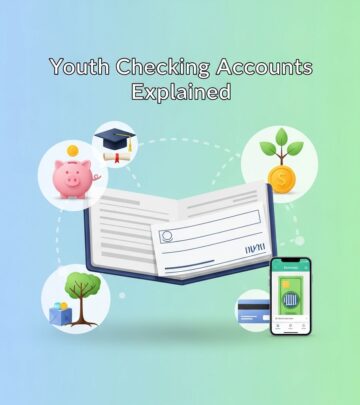
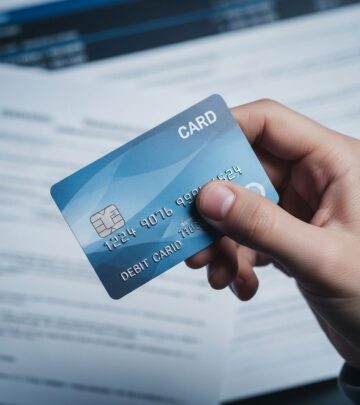
Providing children with a debit card marks a pivotal step in their financial education. These tools link directly to a controlled account, teaching real-world money habits without the dangers of debt. Parents gain oversight features to guide young users toward smart decisions.
Why Consider Debit Cards for Young Users?
Traditional cash allowances limit learning opportunities, as kids can’t easily track spending or understand digital transactions. Youth debit cards bridge this gap by offering a safe entry into modern banking. They promote accountability since every purchase draws from available funds, preventing overspending.
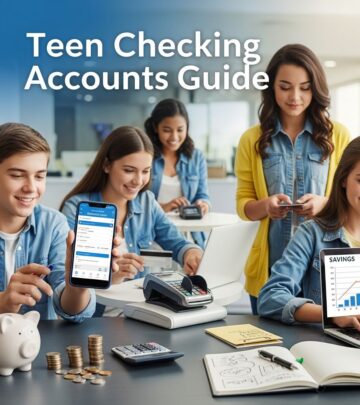
Financial experts emphasize starting early: children who manage cards responsibly develop better budgeting skills. Accounts often include apps for transaction alerts, fostering independence while keeping parents informed.
Key Advantages of Children’s Debit Accounts
- Bounded Spending: Transactions halt at zero balance, eliminating debt risks and teaching natural limits.
- Cashless Convenience: Safer than carrying money, with PIN protection and easy replacement if lost.
- Digital Tracking: Teens over 13 access apps to monitor balances, building self-reliance under COPPA rules.
- Educational Features: Many platforms add chores trackers or savings goals to reinforce habits.
These benefits align with goals of financial literacy programs, where hands-on tools outperform lectures.
Potential Drawbacks and How to Mitigate Them
No tool is perfect. Youth debit cards don’t contribute to credit profiles, unlike supervised credit options. Fraud recovery can lag behind credit cards, and without vigilance, low balances invite quick depletion.
| Drawback | Impact | Mitigation Strategy |
|---|---|---|
| Limited Credit Building | No FICO score impact | Transition to authorized user cards later |
| Fraud Vulnerability | Slower reimbursements | Enable real-time alerts and freeze options |
| Overdraft Risks | Possible fees | Set auto-decline and review statements weekly |
| Age Restrictions | No app for under 13s | Joint monitoring sessions |
By addressing these proactively, parents turn challenges into teaching moments.
Prepaid Options: A Gentler Introduction
For younger children, prepaid debit cards preload fixed amounts, ideal before full accounts. They mimic debit functionality but isolate funds, minimizing loss impacts.
- Pros: Low fraud exposure with small balances; fee-free basics available; quick setup.
- Cons: Reload charges possible; fewer controls; no banking integration.
Choose based on age: prepaid for 6-10, full debit for 11+.
Debit vs. Credit: Choosing the Right Path
Credit introduces borrowing but risks debt; debit enforces discipline. For preteens, debit prioritizes spending control. Teens may benefit from credit as authorized users to build history, but only post-debit mastery.
| Feature | Debit Cards | Credit Cards (Youth) |
|---|---|---|
| Spending Limit | Account Balance | Credit Line (Risk of Debt) |
| Credit Building | No | Yes, with Parent Account |
| Fraud Protection | Moderate | Stronger |
| Fees | Low/None | Possible Interest/Late |
| Best For | Learning Basics | Advanced Habits |
Data shows debit first reduces future credit mishaps by 30% in early users.
Top Parental Controls and Safety Measures
Modern youth cards shine with tech safeguards. Set daily limits, category blocks (e.g., no gaming), and instant notifications.
- Pre-Launch Education: Explain card mechanics, balance checks, and debit-credit differences.
- Limit Setting: Cap at allowance size to match income.
- Activity Reviews: Weekly sits-downs to discuss patterns.
- Online Safety: Stress HTTPS sites, no auto-save details.
- Loss Protocol: Immediate freeze via app; teach reporting.
These steps ensure security while building trust.
Age-Appropriate Rollout Strategies
Ages 6-10: Basics First
Start with prepaid or low-limit debit. Focus on in-store buys, supervised online. Goal: Understand “money gone equals no more.”
Ages 11-14: Growing Independence
Full debit with app access. Introduce chores-to-funds links. Monitor for impulse trends.
Ages 15-17: Near-Adult Prep
Higher limits, savings nudges. Blend with credit intro if ready. Prep for solo banking.
Tailor to maturity over strict age.
Popular Youth Debit Platforms Overview
- Greenlight: Tiered plans with chores, investing basics; strong controls.
- GoHenry (or similar): Global options with gamified learning.
- Bank Youth Accounts: Free checking from credit unions; basic but reliable.
Select fee-free where possible; compare via FDIC-insured lists.
Real-World Success Stories and Lessons
Parents report kids saving 20% more via card nudges vs. cash. One family used limits to curb candy splurges, redirecting to goals. Challenges like forgotten PINs teach resilience.
Key: Consistent talks over controls alone yield lasting habits.
Frequently Asked Questions
Are debit cards safe for kids under 13?
Yes, with parental apps handling oversight; COPPA blocks kid logins for privacy.
Do they build credit?
No, but pave way for future credit tools.
What if the card is lost?
Freeze instantly; funds recoverable if registered.
Any hidden fees?
Many are free; check for overdraft or inactivity.
Can I link to savings?
Often yes, for auto-transfers to teach saving.
Steps to Get Started Today
1. Assess readiness via money talks.
2. Research FDIC banks or fintechs.
3. Open joint account.
4. Load initial funds.
5. Set rules and monitor.
6. Review monthly.
This roadmap turns theory into practice, setting kids up for lifelong success.
References
- Credit Cards vs. Debit Cards for Kids — WECU. 2023. https://www.wecu.com/credit-cards-vs-debit-cards-for-kids/
- Debit Or Credit Cards For Kids: A Guide For Parents — Bankrate. 2024-03-15. https://www.bankrate.com/credit-cards/news/debit-vs-credit-cards-for-kids/
- Debit Card for Children: A Guide for Parents — Woli. 2024. https://www.woli.io/blog/debit-card-for-children-a-guide-for-parents/
- Giving Kids a Debit Card Can Be a Good Investment — AdelFi Banking. 2023-08-10. https://www.adelfibanking.com/blog/post/giving-kids-a-debit-card-can-be-a-good-investment
- Kids’ Debit Cards vs. Traditional Allowance — First Alliance CU. 2024. https://www.firstalliancecu.com/blog/kids-debit-cards-vs.-traditional-allowance
- Safety Tips for Your Kids First Debit Card — Central Bank. 2023-11-20. https://www.centralbank.net/learning-center/safety-tips-for-your-kids-first-debit-card/
- What Parents Need to Know About Debit Cards for Kids — Mydoh. 2024-01-05. https://www.mydoh.ca/learn/blog/banking/what-parents-need-to-know-about-debit-cards-for-kids/
Similar Articles








Read full bio of Sneha Tete