Youth Checking Accounts Explained
Discover how youth checking accounts empower kids with financial tools, parental oversight, and lifelong money skills in a digital world.
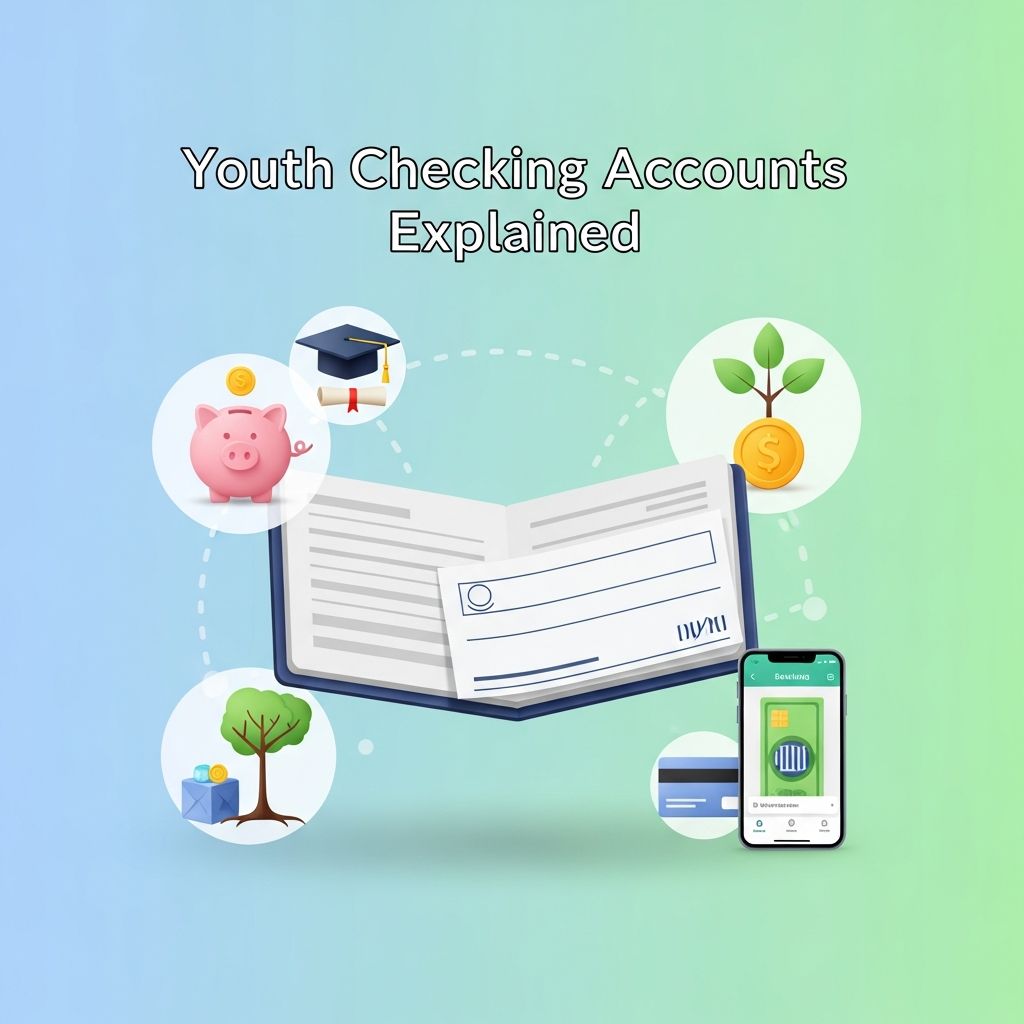
Youth checking accounts introduce children to modern banking, replacing cash with secure debit cards, digital transfers, and spending trackers. These accounts blend convenience for kids with parental safeguards, fostering financial responsibility from an early age.
Why Introduce Banking Early?
In a world where digital payments dominate, cash is rare. Youth checking accounts equip kids with tools to navigate this landscape, teaching budgeting and transactions without the risks of physical money. Parents can deposit allowances instantly, monitor habits, and set boundaries, turning everyday spending into practical lessons.
Financial education starts young: accounts help children grasp inflows (allowances, gifts) versus outflows (snacks, games), building habits that prevent future debt. Studies from financial regulators emphasize early exposure reduces adult financial stress.
Core Features of Youth Accounts
These accounts mirror adult checking but with kid-friendly tweaks. Key elements include:
- Debit Cards: Safer than cash; use for purchases or ATMs. Many support contactless payments and digital wallets.
- Parental Dashboards: Real-time views of balances, transactions, and locations. Set alerts for low funds or unusual activity.
- Spending Limits: Cap daily/merchant spends, ATM withdrawals, or lock cards remotely.
- Mobile Apps: Kid versions for balance checks; parent apps for controls. Features like chore trackers automate rewards.
- No-Fee Structures: Often free until 18, with FDIC/NCUA insurance up to $250,000.
Unlike standard accounts, youth versions avoid credit reporting—ideal since minors lack credit files, protecting against identity theft.
Signs Your Child is Ready
Not every kid needs an account at 6. Look for maturity markers:
- Consistent chore completion without reminders.
- Basic math skills for tracking spends.
- Understanding ‘needs vs. wants’ in purchases.
- Responsibility with small cash amounts.
- Interest in apps or digital tools.
For tweens/teens, school fees or part-time jobs signal readiness. Start joint-owned to ease transition.
Step-by-Step Setup Guide
- Research Providers: Compare banks/credit unions for age minimums (6+ common), fees, and app quality.
- Gather Documents: Child’s SSN, birth certificate; parent’s ID and account details (many require linked adult account).
- Open Online/In-Branch: Joint ownership standard; set PINs and initial deposit ($0-$25 often).
- Customize Controls: Activate limits, alerts, and auto-transfers for allowance.
- Educate Together: Review first statements; simulate budgets.
Transition at 18: Many convert seamlessly to teen/adult accounts.
Popular Youth Account Options
| Provider | Age Range | Key Features | Fees | Parent Tools |
|---|---|---|---|---|
| Chase First Banking | 6-17 | Debit card, mobile app, Zelle | None | Spend limits, chore assignments, alerts |
| Bank of America SafeBalance | 6+ | Mobile deposit, parental controls | Low/none | Category limits, activity monitoring |
| Citizens Bank Teen Checking | Teens | Digital wallet, savings tracker | None | Real-time monitoring, easy transfers |
| Local Credit Unions (e.g., Camino FCU) | Varies | ATM access, online banking | Minimal | Fraud protection, no min balance |
Selections based on no-fee policies and robust apps; FDIC/NCUA-backed.
Building Financial Skills Through Accounts
Accounts aren’t just transactional—they’re classrooms. Kids learn:
- Budgeting: Allocate allowance across categories via apps.
- Digital Safety: Spot phishing; use two-factor authentication.
- Saving Habits: Link to youth savings for automatic transfers.
- Independence: Direct deposit from gigs teaches payroll.
Parents model by co-reviewing spends, discussing choices like impulse buys.
Risks and Safeguards
Challenges include overspending or fraud. Mitigate with:
- Strict initial limits.
- Fraud alerts and instant locks.
- Education on card skimming.
- Free credit freezes for minors via Equifax/Experian/TransUnion (annualcheckup.com).
Joint ownership ensures reversibility; monitor for identity theft signs.
Long-Term Advantages
Early users enter adulthood with superior skills: better credit scores, less debt. Programs like these break poverty cycles, per community bankers, by instilling community-focused finance.
Frequently Asked Questions
What’s the youngest age for a youth account?
Typically 6-8; parent-managed until 16-18.
Do they report to credit bureaus?
No—checking accounts don’t build credit; use secured cards later for that.
Can kids overdraft?
Rare; most block or alert before negatives.
How to fund the account?
Transfers, Zelle, mobile deposit, direct deposit.
What if my child loses the card?
Lock via app; replace free usually.
Youth accounts transform parenting: from handing cash to guiding digital natives toward prosperity.
References
- Consumer Financial Protection Bureau: Banking for Young People — CFPB (U.S. Government). 2024-06-15. https://www.consumerfinance.gov/consumer-tools/educator-tools/youth-financial-education/banking-basics/
- FDIC: Money Smart for Young People — FDIC (U.S. Government). 2025-02-10. https://www.fdic.gov/consumer-resource-center/money-smart-young-people
- Chase First Banking Product Details — JPMorgan Chase & Co. 2026-01-20. https://personal.chase.com/personal/first-banking/
- NCUA: Youth Accounts Guidance — National Credit Union Administration. 2024-11-05. https://ncua.gov/support-services/credit-union-resources-education/curriculum/youth-financial-education
- Federal Reserve: Financial Education for Youth — Board of Governors of the Federal Reserve System. 2025-03-12. https://www.federalreserve.gov/publications/files/financial-education-youth-202503.pdf
Similar Articles








Read full bio of medha deb