You’re Wasting 13% of the Food You Buy: Here’s How to Stop
Discover shocking stats on household food waste and practical strategies to reduce it, save money, and help the environment right now.
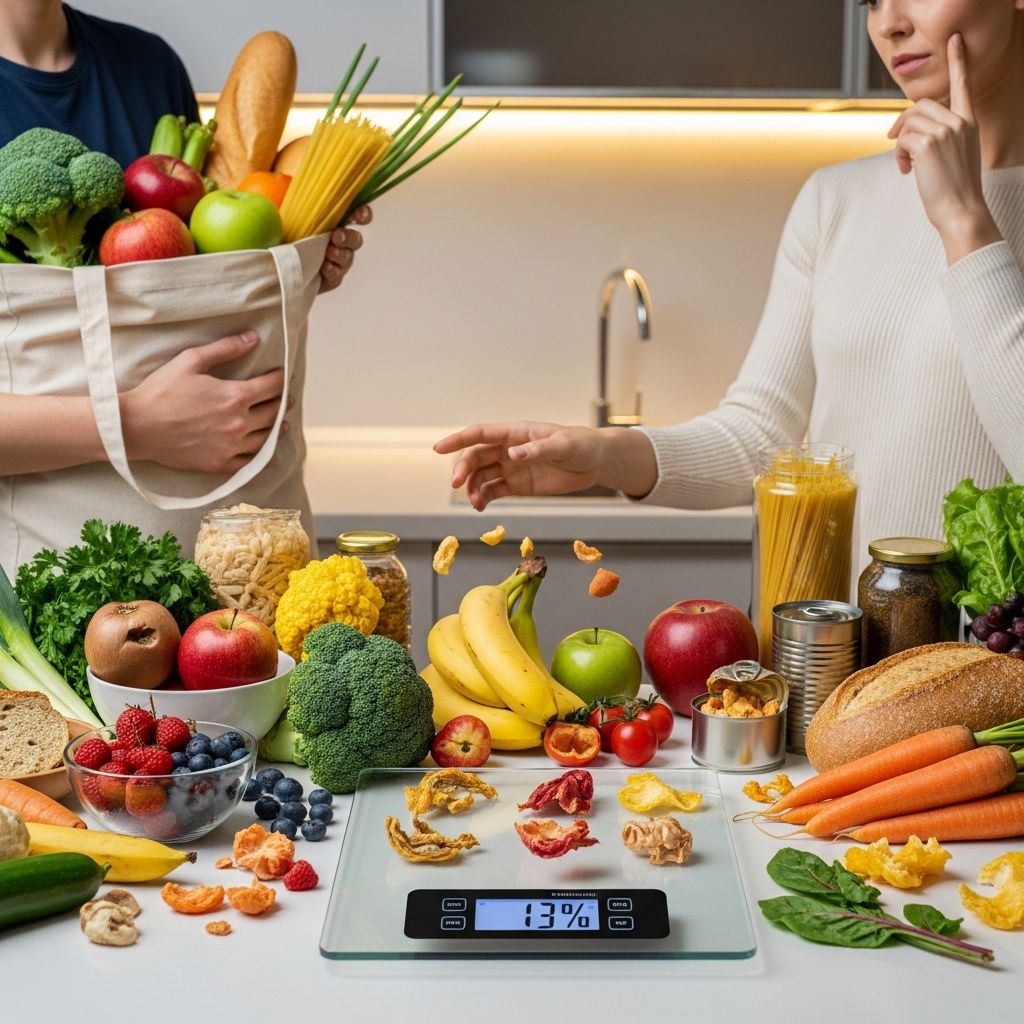
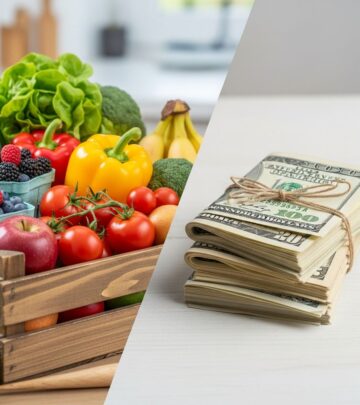
Did you know that the average American household throws away about
13%
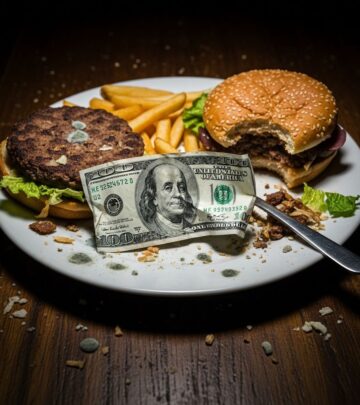
of the food they purchase? That’s roughly $1,500 worth of groceries per family of four every year, according to USDA estimates. Globally, one-third of all food produced—1.3 billion tons annually valued at $230 billion—ends up wasted, contributing to methane emissions and squandering resources like 16% of freshwater used in agriculture. This isn’t just a financial drain; it’s an environmental and social crisis, with 18 million U.S. households facing food insecurity amid abundant waste.Bread and potatoes top the list of avoidable discards: 240 million slices of bread and 5.8 million potatoes binned yearly in homes alone. Soaring inflation amplifies the pain—70% of consumers cite financial anxiety as a driver to cut waste. The good news? Simple changes in planning, shopping, storage, and cooking can slash this by up to 50%. This article breaks down the problem and delivers
12 proven strategies
to reclaim your money, reduce trash, and make every grocery dollar count.The Shocking Scope of Household Food Waste
Food waste begins at overproduction: 10% of bread is discarded before reaching stores due to short shelf lives. At home, staleness and mold claim most casualties, but poor planning and impulse buys exacerbate it. ReFed reports U.S. consumers waste 208 pounds of food per person annually, enough to feed tens of millions facing hunger. Environmentally, rotting food in landfills emits potent methane, worsening climate change.
Financially, it’s brutal: $728 per person yearly down the drain. Yet 98% of consumers want to minimize waste, with 69% open to longer-shelf-life products using natural preservatives. Policies like the NO TIME TO Waste Act aim for 50% reductions via better donation and tracking. Individually, a trash audit reveals your waste patterns—food scraps signal shopping flaws; excess packaging points to bulk buys.
1. Conduct a Trash Audit
Start by inspecting your garbage: sort one week’s trash into categories like food scraps, packaging, and plastics. High food waste? Adjust shopping frequency or preserve more. Piles of toy parts or wrappers? Buy durable goods and switch habits, like loose tea over bagged (saving 5,200 wrappers yearly). This audit uncovers hidden leaks, like overusing detergent or restaurant portions shrinking without your containers.
2. Plan Your Meals and Shopping
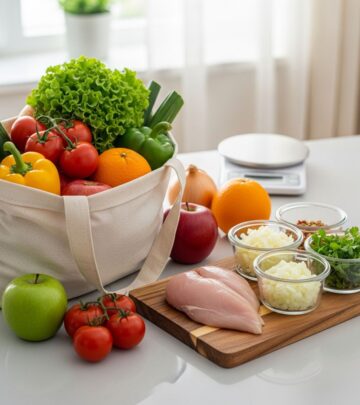
Impulse buys cause 40% of waste. Create a weekly meal plan around existing pantry items, then shop with a strict list. Apps like Mealime or paper checklists prevent overbuying perishables. Bulk buys save only if consumed—freeze extras immediately. Pro tip: Shop the store perimeter first for fresh items, leaving center aisles (processed foods) for last to curb temptations.
3. Buy Only What You Need
Portion control at purchase: Opt for smaller packs of perishables like bread or berries. Weigh produce instead of eyeing piles. For families, divide bulk buys into daily portions pre-freezing. Surveys show 72% prioritize shelf-life extension, so choose wisely.
4. Master Proper Storage Techniques
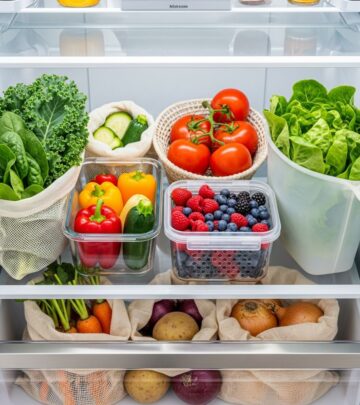
Storage mishaps spoil 20% of food. Refrigerate ethylene producers (apples, bananas) separately from sensitive greens. Store bread in paper bags or freezer for weeks; potatoes in cool, dark spots away from onions. Use airtight containers for grains—bulk organic oatmeal often beats packaged prices even at premium stores. Herbs? Treat as bouquets in water, covered loosely.
| Food Item | Best Storage Method | Shelf Life Extension |
|---|---|---|
| Bread | Freeze in portions or paper bag | Up to 3 months |
| Potatoes | Cool, dark, ventilated bin | 2-3 months |
| Greens | Crisp in water, fridge | 1-2 weeks |
| Berries | Unwashed, ventilated container | 1 week |
5. Understand Expiration Dates
“Best by” means peak quality, not safety—most foods are safe beyond. Use senses: smell, sight, texture. Milk past date? Boil for cooking. Eggs float in water? Compost. This mindset shift alone cuts dairy waste by 30%.
6. Repurpose Leftovers Creatiously
Transform scraps: Stale bread into croutons, French toast, or breadcrumbs; veggie ends into stock. Overripe bananas? Blend into smoothies or bread. Apps like SuperCook suggest recipes from fridge remnants. Freeze smoothie packs or soup bases for zero-waste meals.
- Vegetable peels → Homemade chips or broth
- Soft fruits → Jams, sauces, or baking
- Herb stems → Pesto or infused oils
- Chicken bones → Rich stock
7. Freeze Strategically
Freezing halts spoilage: Portion meats, breads, and cooked grains into meals. Label with dates—use oldest first (FIFO: First In, First Out). Vacuum seal for longevity; ice cube trays work for sauces, herbs, or stocks. Thaw safely in fridge to avoid waste from improper methods.
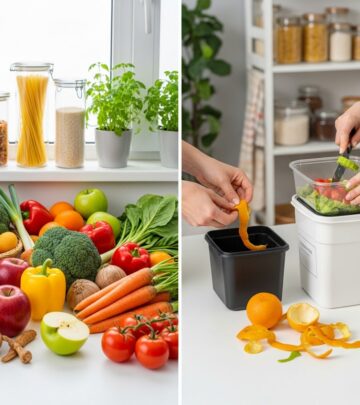
8. Compost Food Scraps
Non-rescuables like citrus peels go to compost, not landfill. Backyard bins or community programs turn waste into soil amendment—perfect for gardens, reducing clay soil compaction. Worms (vermicomposting) handle kitchen scraps indoors efficiently. Aim for 50/50 greens/browns ratio to avoid odors.
9. Shop Smarter: Bulk and Local
Bulk bins cut packaging; compare prices—Whole Foods bulk can undercut generics. Farmers markets offer imperfect produce at discounts. Bring your own containers to delis or restaurants for takeout, netting 30% more food. Loyalty to waste-free brands grows as 46% switch for sustainability.
10. Eat Before You Shop Challenge
Pantry purge: No new buys until stocks are depleted. Inventory fridge/freezer weekly; invent recipes from what’s there. This scheme clears clutter and sparks creativity, preventing the “forgotten back-of-fridge” syndrome.
11. Donate Surplus
Too much? Donate unopened items to food banks. Programs like Second Harvest divert millions of pounds yearly. Apps like Too Good To Go connect to surplus restaurant food at 50% off. The Bill Emerson Act protects good-faith donors.
12. Track and Adjust Habits
Log waste weekly: What spoiled? Why? Adjust accordingly. Share meals to avoid overcooking; use smaller plates. Over time, these habits save $300-1,500 annually while cutting emissions.
Frequently Asked Questions (FAQs)
Q: How much food do American households waste yearly?
A: About 13% of purchases, or $1,500 per family of four, equating to 208 pounds per person.
Q: What’s the top wasted food at home?
A: Bread (240 million slices) and potatoes (5.8 million), often due to staleness.
Q: Are expiration dates safety deadlines?
A: No, mostly quality guides. Use senses to extend usability safely.
Q: Can freezing save everything?
A: Most yes—portion, label, FIFO. Avoid refreezing thawed raw meats.
Q: How does food waste impact the environment?
A: Emits methane from landfills; wastes irrigation water and farmland.
Q: What’s a quick win for beginners?
A: Meal plan and list-shop to curb 40% of impulse waste.
Implementing these steps transforms waste into wealth. Start with one—your wallet, planet, and hungry neighbors will thank you.
References
- Avoidable bread waste leaves consumers with a stale taste — BakeryAndSnacks. 2023-10-03. https://www.bakeryandsnacks.com/Article/2023/10/03/avoidable-bread-waste-leaves-consumers-with-a-stale-taste/
- Less Food Waste Means a More Effective Food System — Bread for the World. 2025-02 (accessed via ReFed report). https://www.bread.org/article/less-food-waste-means-a-more-effective-food-system/
- 12 Ways to Cut Down on Garbage and Save Money Too — Wise Bread. N/A. https://www.wisebread.com/12-ways-to-cut-down-on-garbage-and-save-money-too
- We Spend Hundreds on Food We Throw Out. How to Cut Waste — SoFi. N/A. https://www.sofi.com/article/money-life/we-spend-hundreds-on-food-we-throw-out-how-to-cut-waste/
- How I Saved $30,000 and Helped the Earth at the Same Time — Wise Bread. N/A. https://www.wisebread.com/how-i-saved-30000-and-helped-the-earth-at-the-same-time
Similar Articles








Read full bio of Sneha Tete