Homemade Yogurt: 12 Batches To Break-Even, Plus Easy Recipe
Discover if homemade yogurt saves money, tastes better, and is worth the effort compared to store-bought options.
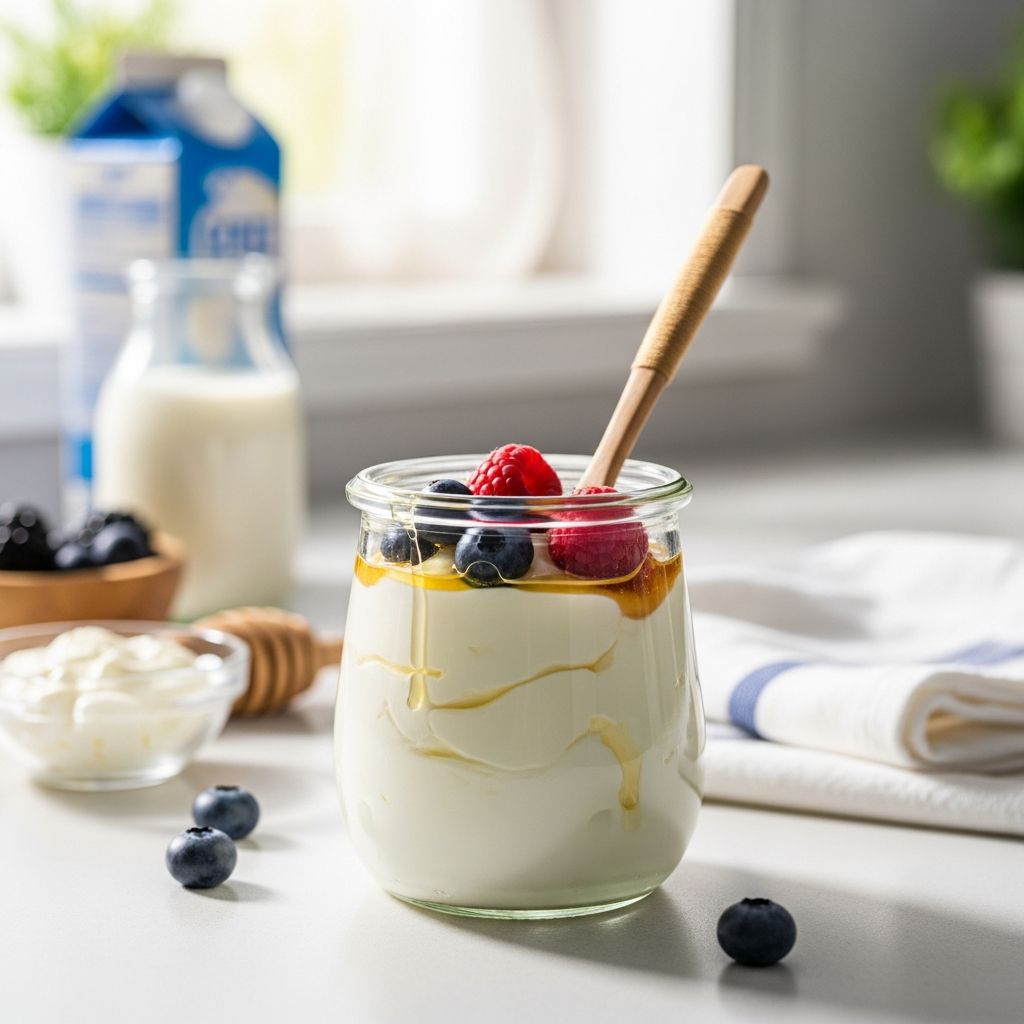
Making homemade yogurt offers potential savings and superior quality over store-bought versions, but it requires initial investment and experimentation to perfect. This article evaluates
quality
,cost
, equipment options, step-by-step methods, and reader-tested tips to help you decide if DIY yogurt fits your lifestyle.Quality: Fresher and Customizable
Homemade yogurt typically surpasses store-bought in
freshness
andtaste
. Without preservatives or stabilizers, it delivers a clean, tangy flavor you control by adjusting incubation time—shorter for mild sweetness, longer for bold tang.You select milk types (whole, low-fat, or raw) and avoid unwanted additives like gelatin found in some commercial products. Adding powdered milk creates a
custard-like texture
, enhancing creaminess without extra processing.Health perks include higher
probiotics
for gut health and customizable nutrition. Straining yields thick Greek-style yogurt with elevated protein, ideal for diets focused on satiety and wellness.Cost: Significant Savings After Break-Even
Store-bought yogurt costs $1+ per serving; homemade drops to
18 cents
per 8-ounce cup. For an $77 yogurt maker, one batch uses 1 gallon milk ($3.50), powdered milk (30 cents), and starter (16 cents), totaling $1.46 for eight servings—saving 82 cents each.Break-even occurs after 12 batches (94 yogurts). Ongoing costs plummet, especially with bulk milk. Powdered milk methods cost even less: 4 2/3 cups powder plus water and starter yield thick yogurt for pennies.
| Method | Batch Cost | Per Serving | Savings vs. Store |
|---|---|---|---|
| Yogurt Maker (Milk-Based) | $1.46 (8 servings) | 18¢ | 82¢ |
| Powdered Milk | <$1 (8 servings) | 12¢ | 88¢ |
| Raw Milk (5L batch) | $5-7 | 20-30¢ | 70-80¢ |
Data based on U.S. averages; scale with local prices.
Equipment: From Machines to No-Special-Tools
Dedicated
yogurt makers
simplify the process as incubators. Heat milk to 185-190°F, cool to 110-115°F, add starter, and incubate 10-12 hours. Models with timers and jars cost $40-80, paying off quickly.- Pros: Consistent heat, easy cleanup, multiple jars.
- Cons: Upfront cost, counter space.
Household alternatives abound for frugal makers:
- Crockpot: Heat milk in jars via water bath to 190°F, cool to 110°F, add starter, incubate on ‘warm’.
- Heating Pad: Place covered bowl on medium pad, check temp every 2 hours.
- Bread Machine: Yogurt setting with milk, Greek yogurt starter, and honey for flavored batches.
- Oven/Pilot Light: Low heat (100°F) for 8-10 hours.
- Raw Milk Method: Room temp (1-2 days) with fatty yogurt starter—no cooking.
Basic Recipe: Foolproof Stovetop Method
Core process: Pasteurize milk, cool, inoculate with live cultures, incubate at 110°F.
- Heat 1/2 gallon milk (2%) + 1/4 cup powdered milk to just below boil (185°F). Cool to 110°F.
- Mix 2 tbsp plain yogurt starter (live cultures, no gelatin) with cooled milk.
- Pour into jars or bowl; incubate 4-12 hours. Refrigerate to set.
Tips for success:
- Use accurate thermometer—off by 10°F ruins batches.
- Longer incubation = tangier yogurt.
- Sterilize tools to prevent bad bacteria.
Advanced Variations
Greek Yogurt: Strain through cheesecloth 24-48 hours for thickness. From 3L milk + 150g starter, yield 1.15kg creamy Greek—cheaper than store.
Bread Machine: 1.5 cups whole milk, 3 tbsp Greek yogurt, 3 tbsp honey. Yogurt cycle, then strain.
Powdered Milk Hack: 4 2/3 cups powder + hot water (2 quarts), 1/4 cup starter. Incubate 4 hours—ultra-thick, no cooking.
Common Pitfalls and Fixes
| Problem | Cause | Solution |
|---|---|---|
| Runny Yogurt | Temp too low/high; weak starter | Check thermometer; use fresh store yogurt |
| Whey Separation | Over-incubation | Strain and stir back in |
| No Set | Dead cultures; unclean tools | Sterilize; new starter |
| Off Flavors | Contamination | Fresh milk; boil thoroughly |
Reader Tips from Experts
- “Heating pad beats crockpot—even heat distribution.”
- “Raw milk + 200g yogurt/5L at room temp: simplest ever.”
- “Stonyfield Farms as starter: creamy results.”
- “Add honey pre-incubation for natural sweetness.”
- “Water bath in crockpot for uniform temp—no hot spots.”
Frequently Asked Questions (FAQs)
Q: Is homemade yogurt cheaper?
A: Yes, after 12 batches, savings exceed $75 equipment cost; per serving ~18¢ vs. $1 store.
Q: What’s the easiest method for beginners?
A: Yogurt maker or oven light—set-it-and-forget-it for 8-12 hours.
Q: Can I use any milk?
A: Yes, but ultra-pasteurized may not set well; add powdered milk for thickness. Avoid UHT without testing.
Q: How do I make it Greek-style?
A: Strain in fridge 1-2 days; doubles protein, halves volume.
Q: Does it save time?
A: Hands-on ~20 mins/batch; incubation passive. Prep improves with practice.
Final Verdict: Yes, If You Eat Yogurt Often
For weekly consumers, homemade wins on cost (post-break-even), taste, and control. Start simple—no machine needed. Experiment to match your perfect batch.
References
- Yogurt: Should You Try Making Your Own? — Wise Bread. 2010-approx (evergreen frugal guide). https://www.wisebread.com/yogurt-should-you-try-making-your-own
- Homemade Yogurt Made in a Bread Machine! — YouTube (Leanne Potts channel). 2020-approx. https://www.youtube.com/watch?v=zOECcDnv1vg
- The Financial and Health Benefits of Homemade Greek Yogurt — YouTube (channel unspecified). 2023-approx. https://www.youtube.com/watch?v=IycatB0lZYc
- Recent Comments on Wise Bread — Wise Bread. Ongoing. https://www.wisebread.com/comments/moneycenter.yodlee.com?page=3582
Similar Articles








Read full bio of medha deb