Does Writing ‘See ID’ on Credit Cards Actually Prevent Fraud?
Discover why the 'See ID' credit card trick is outdated and what actually protects your finances today.
Dollar Scholar Asks: Does Writing ‘See ID’ on a Credit Card Actually Help Prevent Fraud?
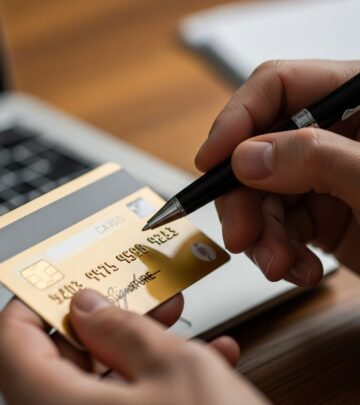
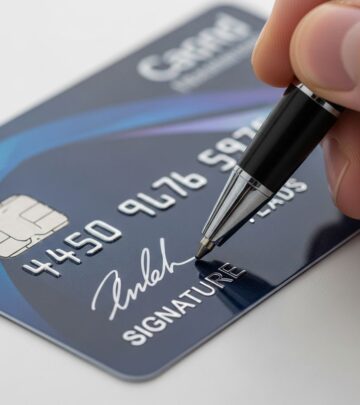
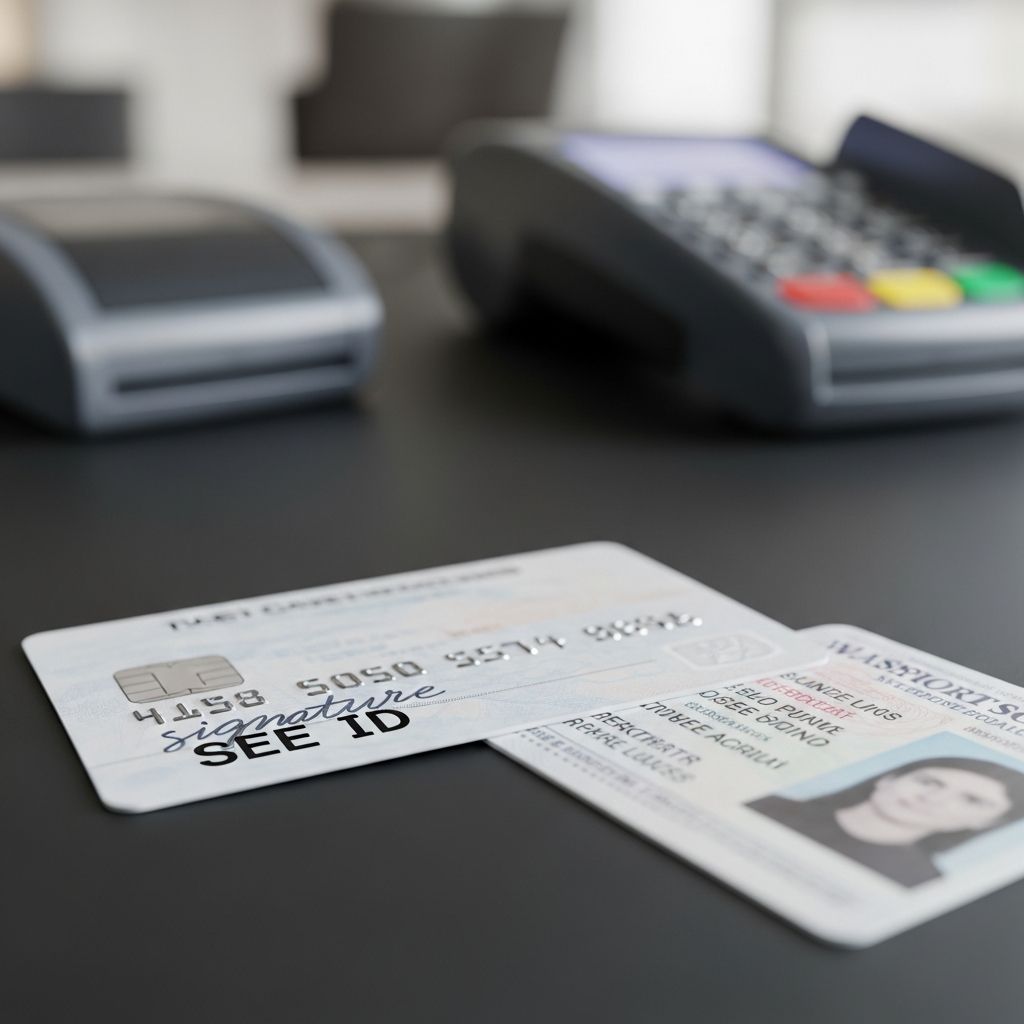
For decades, financial advice has circulated recommending that consumers write “See ID” on the back of their credit cards instead of signing them. This practice has been endorsed by major media outlets, financial websites, and security organizations. However, in an era of digital transactions and advanced fraud detection, experts now confirm that this long-standing security recommendation is outdated and largely ineffective. Understanding why this strategy no longer works and learning what actually protects your credit card is essential for modern financial security.
The Origins of the “See ID” Strategy
The “See ID” trick emerged during a time when credit card transactions operated very differently than they do today. The original theory behind writing “See ID” instead of signing your card was straightforward: if a thief stole your credit card and attempted to use it in person, a cashier would ask for identification to verify the card holder’s identity. Since the thief’s ID wouldn’t match the name on the card, they would theoretically be prevented from completing the fraudulent transaction.
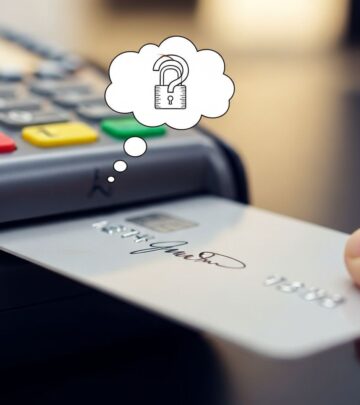
This advice made logical sense in an era when customers routinely handed their physical credit cards to cashiers, who would examine both the signature on the card and the cardholder’s ID for verification purposes. The strategy was widely promoted as a simple yet effective security measure, appearing in news outlets like the TODAY Show and on various personal finance websites and educational institutions throughout the 2000s and beyond.
Why “See ID” No Longer Works
The payment landscape has fundamentally transformed, rendering the “See ID” strategy obsolete. Kathy Stokes, director of fraud prevention programs at AARP, points out that the critical question to ask is simple: “When’s the last time you handed your card to someone other than at a restaurant?” For most consumers, the answer is rarely or never. Physical card handovers have become increasingly uncommon as payment technology has evolved.
The shift away from signature-based verification accelerated significantly when major credit card companies recognized the limitations of this security method. In 2018, Mastercard made cardholder signatures optional on both cards and receipts for transactions. American Express, Discover, and Visa followed suit, collectively acknowledging that advances in fraud protection technology had made signature verification less relevant and harder for merchants to manage.
Modern fraud predominantly occurs online, where physical cards and signatures are irrelevant. When criminals commit credit card fraud today, they typically steal card numbers through data breaches, phishing scams, or other digital means and use them for online purchases. In these scenarios, no cashier examines the card, and no ID verification occurs. Writing “See ID” on your card provides zero protection against these digital threats.
The Evolution of Payment Security Technology
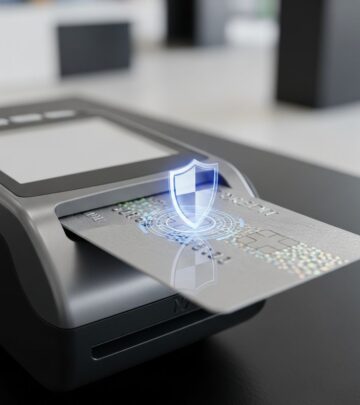
Credit card companies have invested heavily in replacing outdated signature-based verification with advanced security technologies. These modern protections are far more effective at preventing fraud than any marking on the back of your card.
EMV chip technology represents a major leap forward in card security. Unlike magnetic stripe cards, which can be easily cloned, EMV chips generate unique transaction codes for each purchase, making the cards significantly more difficult to counterfeit. Point-of-sale machines contain tiny pins that physically touch and read the chip during transactions, enabling this enhanced security layer.
Contactless payment systems, including tap-to-pay technology, further reduce fraud risk by requiring proximity between the card and the payment terminal. These systems incorporate additional security measures and make it harder for criminals to perform unauthorized transactions.
Biometric authentication represents the cutting edge of credit card security. Some credit card companies have developed cards with built-in fingerprint sensors that activate whenever the card is inserted into a point-of-sale machine. This technology ensures that only the legitimate cardholder can authorize transactions, providing security that no written note on the card could ever match.
Mohamed Abdelsadek, executive vice president of insights and analytics at Mastercard, summarizes the situation clearly: “Perhaps back then, it may have made some sense. It adds absolutely no security these days.”
Understanding Credit Card Fraud Protection Laws
Rather than relying on outdated surface-level protections like writing “See ID,” consumers should understand the legal protections built into the credit card system itself. These legal safeguards provide far more comprehensive protection than any DIY security measure.
Credit cards are governed by the Fair Credit Billing Act, which establishes your rights when fraudulent charges appear on your account. According to this federal law, if you notify your credit card provider that someone has used your card fraudulently, the maximum amount of money you can be held responsible for is $50. Many credit card companies voluntarily go beyond this legal minimum, offering zero-liability policies that protect you completely from fraudulent charges.
Debit cards operate under different rules, making them significantly riskier for fraud situations. Debit cards are subject to the Electronic Fund Transfer Act, which provides much weaker consumer protections. Depending on how quickly you report unauthorized charges, there may be no limit to how much money you can lose. Furthermore, with a debit card, the stolen funds are your money—not a credit card company’s money. If your debit card is compromised and funds are frozen while your bank investigates, you may struggle to pay bills like rent, leaving you in a precarious financial situation.
Effective Strategies for Protecting Your Credit Card
Instead of writing “See ID” on your credit card, focus on these proven protective measures that security experts recommend:
Enable transaction alerts: Kathy Stokes recommends turning on transaction alerts that notify you every time your account is used. These real-time notifications allow you to identify fraudulent activity immediately, minimizing potential damage and enabling quick action.
Protect your account information: Avoid giving your account or login information to anyone over the phone. Criminals often use social engineering techniques to trick people into revealing sensitive information through telephone calls claiming to be from legitimate companies.
Use strong, unique passwords: Change your passwords frequently and use different passwords for each financial account. Strong passwords should include uppercase letters, lowercase letters, numbers, and special characters.
Choose credit cards over debit cards: For maximum protection against fraud, use credit cards rather than debit cards for most transactions. The legal protections and zero-liability policies offered with credit cards provide far superior safeguards.
Monitor your statements regularly: Review your credit card statements frequently to catch unauthorized charges quickly. Many fraudulent activities go unnoticed for months if cardholders don’t actively monitor their accounts.
What You Should NOT Do to Your Credit Card
Beyond the ineffectiveness of writing “See ID,” there are other practices that can actually damage your card or compromise its functionality:
Don’t cover the chip: Never place stickers or other objects over your card’s EMV chip. The tiny pins inside payment machines must make direct contact with the chip to read it and process transactions. A covered chip prevents this crucial interaction.
Don’t obscure critical information: Avoid covering your name, card number, magnetic stripe, expiration date, or CVV code with stickers or other materials. These elements are necessary for both in-person transactions and online shopping. If this information isn’t visible or readable, you won’t be able to complete purchases.
Be cautious with decorations: While light stickers made of thin material might not damage your card, thick stickers or decorations made of certain materials could interfere with magnetic stripe readers or chip functionality. If you want to personalize your card, use thin, non-obstructive methods that don’t cover any security features.
The Future of Credit Card Security
The evolution away from signatures and toward technological solutions represents a broader shift in how the financial industry approaches security. Credit card companies recognize that effective fraud prevention requires multiple layers of protection working in concert—not a single surface-level trick written in permanent marker.
Mohamed Abdelsadek emphasizes that “the whole ecosystem has been designed to help protect the end consumer.” However, consumers must also take responsibility for their financial security. This means using the tools and protections available, monitoring accounts actively, and avoiding outdated advice that no longer provides meaningful protection.
Frequently Asked Questions
Is writing “See ID” on my credit card harmful?
No, writing “See ID” won’t damage your card, but it also won’t provide any meaningful protection. It’s simply ineffective advice rather than harmful advice. However, your time and effort would be better spent on implementing genuinely protective security measures.
Why was “See ID” recommended in the past?
When most credit card transactions occurred in person with physical card handovers, writing “See ID” made logical sense as a deterrent. Cashiers could verify that a thief’s ID didn’t match the card. As payment technology evolved, this strategy became irrelevant.
What’s the best way to prevent credit card fraud today?
The most effective approach combines multiple strategies: use credit cards instead of debit cards, enable transaction alerts, monitor your statements regularly, protect your personal information, use strong passwords, and take advantage of the fraud protections built into the credit card system itself.
If someone fraudulently uses my credit card, what happens?
Under the Fair Credit Billing Act, your maximum liability is $50, though many credit card companies offer zero-liability policies. Report the fraud immediately to your credit card company. The situation is much more serious with debit cards, where your liability could be unlimited depending on how quickly you report the unauthorized charges.
Should I be worried about credit card fraud?
While fraud is a legitimate concern, the credit card system includes substantial protections. By staying vigilant, monitoring your accounts, and using the security features available, you can effectively minimize your fraud risk.
The Bottom Line
Writing “See ID” on your credit card is outdated advice that no longer provides meaningful fraud protection. The payment landscape has transformed dramatically since this strategy emerged, with most transactions now occurring online where physical card verification is irrelevant. Modern fraud detection technology, EMV chips, contactless payments, and biometric authentication all provide far superior protection compared to any marking on your card’s back.
Instead of relying on this antiquated trick, focus on leveraging the modern protections built into the credit card system: understand your legal rights under the Fair Credit Billing Act, enable transaction alerts, monitor your statements, protect your personal information, and choose credit cards over debit cards whenever possible. By combining these strategies, you’ll enjoy comprehensive protection that actually addresses how fraud occurs in today’s digital environment.
References
- Fair Credit Billing Act — Federal Trade Commission (FTC). United States Government. https://www.ftc.gov/business-guidance/resources/fair-credit-billing-act
- Electronic Fund Transfer Act — Federal Reserve Board. United States Government. https://www.federalreserve.gov/boarddocs/caletters/2004/0410.htm
- EMV Chip Card Security Standards — EMVCo. 2022. https://www.emvco.com/emv-technologies/chip/
- Identity Theft and Fraud Prevention Programs — AARP. https://www.aarp.org/money/scams-fraud/
- Mastercard Payments Standards and Security — Mastercard International. https://www.mastercard.us/en-us/consumers/payment-security.html
- Payment Card Industry Data Security Standard (PCI DSS) — PCI Security Standards Council. https://www.pcisecuritystandards.org/
Similar Articles








Read full bio of medha deb