Writing Checks from Savings: Rules and Alternatives
Discover why savings accounts limit check writing and explore secure ways to access your funds without fees or restrictions.
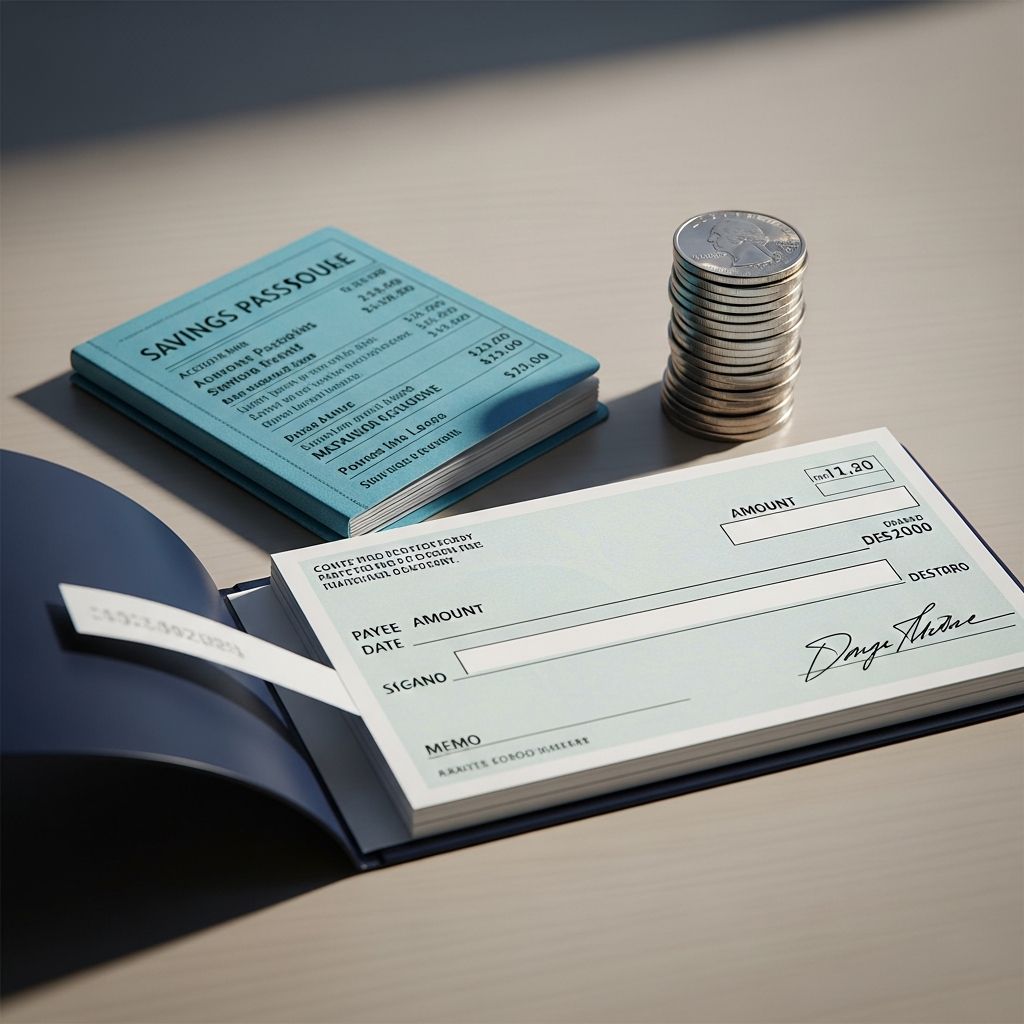
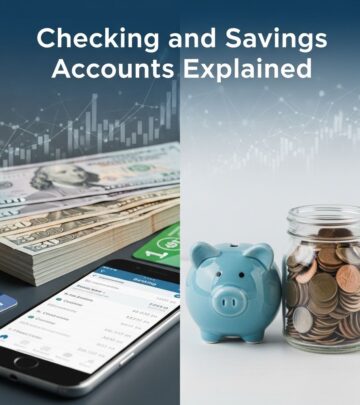
Savings accounts prioritize earning interest over daily transactions, so banks rarely provide check-writing capabilities. Instead, they encourage using checking accounts for payments while offering workarounds to access savings securely.
Why Savings Accounts Restrict Check Writing
Savings accounts serve as repositories for funds intended to grow through interest, not for routine spending. Financial institutions structure them this way to promote saving habits. Most do not supply checkbooks or debit cards linked directly to savings for purchases, as these features align with transactional accounts like checking.
A key factor is historical federal oversight. Prior to 2020, Regulation D from the Federal Reserve capped certain withdrawals and transfers from savings at six per month. Although enforcement was suspended during the pandemic and not reinstated, many banks maintain internal limits to manage costs and liquidity. These policies make check writing impractical, as it counts toward transaction thresholds.
In-person or ATM withdrawals bypass these limits, but electronic transfers or check-like payments often trigger restrictions. Exceeding limits can result in fees, account conversion to checking, or closure. This setup protects depositors from overspending savings meant for emergencies or goals.
Core Differences Between Savings and Checking Accounts
Understanding account types clarifies access methods. Here’s a comparison:
| Feature | Savings Account | Checking Account |
|---|---|---|
| Primary Purpose | Earn interest on deposits | Daily transactions and payments |
| Check Writing | Rarely available | Standard feature |
| Debit Card | Usually ATM-only | Full POS and online use |
| Transaction Limits | Often 6/month (bank policy) | Unlimited or high |
| Interest Rate | Higher (e.g., high-yield options) | Low or none |
| FDIC Insurance | Up to $250,000 | Up to $250,000 |
Checking accounts facilitate checks, bill pay, and debit spending without limits, though overdraft fees apply if balances drop. Pairing both accounts optimizes saving and spending.
Practical Ways to Access Savings Funds for Payments
Without direct checks, several reliable methods exist:
- Internal Transfers: Move funds instantly or same-day from savings to checking via online banking or apps. Schedule monthly transfers for bills to maintain separation.
- ACH Payments: Enter savings routing and account numbers for direct debits or biller setups. Processors treat this as electronic transfers, often fee-free.
- Cashier’s Checks: Visit a branch to withdraw from savings and buy a guaranteed check. Ideal for large, secure payments like rent or vehicles; banks deduct funds upfront.
- ATM or Teller Withdrawals: Unlimited cash access in-person or at machines, then deposit into checking for check writing.
- Wire Transfers: For urgent needs, send funds electronically; fees apply but avoid check hassles.
These options minimize risks like bounced payments. Always verify bank policies, as online banks may offer more flexibility.
Money Market Accounts: A Hybrid Solution
For those needing occasional checks with interest, money market accounts (MMAs) bridge the gap. Unlike standard savings, many MMAs provide limited check-writing (e.g., 3-6 per month) and debit cards.
MMAs offer higher yields than checking but require larger minimum balances (often $1,000-$10,000) to waive fees. Transaction caps apply, similar to savings. Examples include:
- Property taxes or tuition payments via check.
- Emergency repairs without full transfers.
Compare MMAs carefully: Ally Bank or Capital One often feature competitive rates and check access without excessive limits. They’re federally insured like savings.
Potential Fees and Risks to Watch
Navigating savings requires awareness of costs:
- Excess Transaction Fees: $5-$25 per over-limit transfer at traditional banks.
- Account Conversion: Banks may shift savings to checking if limits breached, losing interest.
- Overdraft Risks: ACH from low-balance savings can decline or incur NSF fees ($30+).
- Clearing Delays: Transfers take 1-3 days; plan ahead for due dates.
To avoid pitfalls, monitor balances via apps and set alerts. High-yield online savings (4%+ APY) amplify growth when used correctly.
Strategies for Effective Cash Management
Optimize your setup:
- Open linked checking and high-yield savings.
- Automate transfers matching expenses.
- Build a checking buffer (1-2 months’ bills).
- Review MMA for semi-frequent large payments.
- Track rates quarterly; switch for better yields.
Interest-checking hybrids (e.g., 0.5%-1% APY with high balances) suit big savers in one account. Tools like Mint or YNAB aid tracking.
Frequently Asked Questions
Can online banks allow savings checks?
Rarely; most follow standard practices but excel in transfers.
What if I exceed savings limits?
Fees or conversion; contact your bank for waivers.
Are MMAs better than savings for accessibility?
Yes, with checks, but higher minimums apply.
How do I get a cashier’s check?
Visit branch with ID; fees $5-$15.
Does FDIC cover savings payments?
Up to $250,000 per depositor per bank.
Choosing the Right Accounts for Your Needs
Match accounts to habits: pure savers pick high-yield online options; active users blend checking with MMAs. Research via FDIC’s BankFind or NCUA for credit unions. Regular reviews ensure maximum interest (currently 4-5% for top savings) while enabling payments.
For businesses or grants, dedicated non-interest checking may be required. Personal finances thrive on separation: save aggressively, spend deliberately.
References
- Can I Write Checks From My Savings Account? — Experian. 2023. https://www.experian.com/blogs/ask-experian/can-you-write-checks-from-savings/
- Can You Write Checks From a Savings Account? Know Your Options — The Muse. 2023. https://www.themuse.com/advice/can-you-write-checks-from-a-savings-account
- Can You Write Checks From a Savings Account? — SmartAsset. 2024-03-15. https://smartasset.com/checking-account/can-you-write-checks-from-a-savings-account
- Can You Write Checks from a Traditional Savings Account? — Miami Herald. 2024. https://www.miamiherald.com/banks/savings-accounts/write-checks-traditional-savings-account/
- Can You Write Checks From Money Market Accounts? — AFBank. 2023. https://www.afbank.com/article/can-you-write-checks-from-money-market-accounts
- 15 CAR § 28-409. Bank account and check writing procedures — Code of Arkansas Rules. 2023. https://codeofarrules.arkansas.gov/Rules/Rule?levelType=section&titleID=15&chapterID=42&subChapterID=95&partID=546&subPartID=3658§ionID=22560
- Writing a Check: Understanding Your Rights — OCC.gov (U.S. Office of the Comptroller of the Currency). 2013 (authoritative consumer guide). https://www.occ.gov/publications-and-resources/publications/consumer-protection-pubs/files/pub-writing-check-understanding-your-rights.pdf
Similar Articles








Read full bio of Sneha Tete