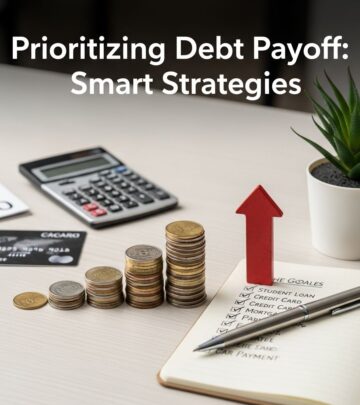
Worried About Debt? Tips on Managing Your Loans
Discover practical strategies to regain control over your loans and eliminate debt stress with expert tips on budgeting, negotiation, and repayment plans.

Debt can feel overwhelming, but with the right strategies, you can take control of your loans and work toward financial freedom. Whether it’s credit cards, student loans, or personal loans, effective management starts with understanding your situation and making informed choices.
Assess Your Current Debt Situation
The first step in managing debt is a thorough assessment of what you owe. List all your loans, including balances, interest rates, minimum payments, and due dates. This inventory reveals high-interest debts that drain your finances most aggressively.Tools like spreadsheets or apps can simplify tracking, helping you prioritize repayment.
- Gather statements: Collect recent statements for accuracy.
- Calculate total debt: Sum principal and accrued interest.
- Identify priorities: Focus on high-interest or variable-rate loans first.
According to financial experts, this clarity prevents missed payments and late fees, which compound debt quickly.
Create a Realistic Budget
A solid budget is your roadmap out of debt. Track income and expenses to identify cuts in non-essentials like dining out or subscriptions. Allocate surplus funds directly to debt payments.
| Category | Monthly Amount | Action |
|---|---|---|
| Income | $4,000 | Total earnings |
| Essentials (Rent, Food) | $2,000 | Minimize where possible |
| Debt Payments | $800 | Increase to accelerate payoff |
| Savings/Emergency | $200 | Build 3-6 months’ expenses |
| Discretionary | $1,000 | Cut to $500 max |
Budgeting ensures every dollar works toward your goals, reducing reliance on credit.
Understand Debt Repayment Strategies
Two popular methods are the debt snowball and debt avalanche. Snowball pays smallest balances first for motivational wins; avalanche targets highest interest rates to save money.
- Snowball pros: Builds momentum with quick victories.
- Avalanche pros: Minimizes total interest paid.
Choose based on your psychology—motivation or math. Both outperform minimum payments alone.
Contact Your Lenders
Don’t ignore creditors; proactive communication can yield hardship programs, lower rates, or waived fees. Explain your situation honestly—many lenders prefer modified plans over defaults.
“Creditors often work with you if you reach out early, reassuring them of your commitment.”
- Prepare a hardship letter detailing income changes.
- Request temporary rate reductions or payment pauses.
- Document all agreements in writing.
Explore Credit Counseling
Nonprofit credit counseling provides free or low-cost advice. Counselors review your finances, create budgets, and suggest options like debt consolidation or settlement.
Key benefits include:
- Personalized budgeting help.
- Guidance on consolidation loans or refinancing.
- Advice on closing high-risk credit accounts without severe credit damage.
Counseling suits proactive individuals ready to follow a plan independently.
Consider a Debt Management Plan (DMP)
A DMP consolidates payments into one monthly amount through a counseling agency. Agencies negotiate lower rates (often 5-10%) and waive fees with creditors.
It’s not a loan or settlement: You repay 100% of debt over 3-5 years, emerging with improved credit.
- Single payment simplifies tracking.
- Saves on interest and fees.
- Accounts typically close during the plan.
Ideal for those juggling multiple payments or tempted by new credit.
Differentiate Debt Management from Debt Settlement
Debt settlement involves stopping payments to negotiate lumpsum reductions, harming credit scores significantly. DMPs repay fully with protections.
| Aspect | Debt Management Plan | Debt Settlement |
|---|---|---|
| Repayment | 100% over 3-5 years | 30-50% lumpsum |
| Credit Impact | Minimal, improves long-term | Severe, lasts 7 years |
| Monthly Payments | One consolidated | Escrow builds, then lump |
Avoid settlement unless bankruptcy is imminent.
Build an Emergency Fund
An emergency fund (3-6 months’ expenses) prevents new debt from surprises like medical bills or job loss—top debt causes. Start small: $1,000, then expand.
- High-yield savings accounts.
- Automate transfers post-payday.
- Use for true emergencies only.
Increase Your Income
Boost earnings via side gigs, raises, or selling items. Extra income accelerates payoff—direct 100% to debt.
- Freelance, rideshare, or tutor.
- Negotiate salary or switch jobs.
- Monetize hobbies or unused assets.
Common Causes of Debt and Prevention
Understanding triggers helps avoidance:
- Medical expenses: Improve insurance, fund emergencies.
- Income loss: Live below means.
- Education costs: Scholarships, community college.
- Emergencies: Robust savings.
- Poor insurance: Review coverage annually.
Procrastination and denial worsen issues; accountability is key.
Long-Term Financial Habits
Post-debt, maintain freedom:
- Track spending daily.
- Avoid lifestyle inflation.
- Invest in retirement early.
- Review credit reports yearly.
Debt traps like wage cycles can ensnare; frugality and planning break them.
Frequently Asked Questions (FAQs)
Q: Is credit counseling free?
A: Nonprofit agencies offer free initial sessions; ongoing fees are low, often $25/month, waived for hardship.
Q: How long does a DMP take?
A: Typically 3-5 years, depending on debt amount and payments.
Q: Will a DMP hurt my credit?
A: Initial dip from closed accounts, but on-time payments rebuild it strongly.
Q: Can I use credit cards in a DMP?
A: No, participating accounts close; focus shifts to repayment.
Q: What’s better, snowball or avalanche?
A: Snowball for motivation, avalanche for savings—personal preference.
References
- Credit Counseling vs. Debt Management Plan — InCharge Debt Solutions. 2023-10-15. https://www.incharge.org/debt-relief/debt-management/counseling-v-debt-management/
- Debt Management — Wise Bread. 2024-05-20. https://www.wisebread.com/topic/personal-finance/debt-management
- 8 Things You Need to Know About Debt Management Plans — Wise Bread. 2023-11-10. https://www.wisebread.com/8-things-you-need-to-know-about-debt-management-plans
- 8 Common Causes of Debt — And How to Avoid Them — Wise Bread. 2024-01-05. https://www.wisebread.com/8-common-causes-of-debt-and-how-to-avoid-them
- The Debt Trap: Factors That Have Led Us To Our Debt — Wise Bread. 2023-09-12. https://www.wisebread.com/the-debt-trap-factors-that-have-led-us-to-our-debt
- Wage Slave, Debt Slave — Wise Bread. 2024-02-28. https://www.wisebread.com/wage-slave-debt-slave
Similar Articles








Read full bio of medha deb