World’s Most Valuable Coins: Rare Treasures Worth Millions
Discover the rarest and most valuable coins in the world, from historic rarities to modern masterpieces worth millions.
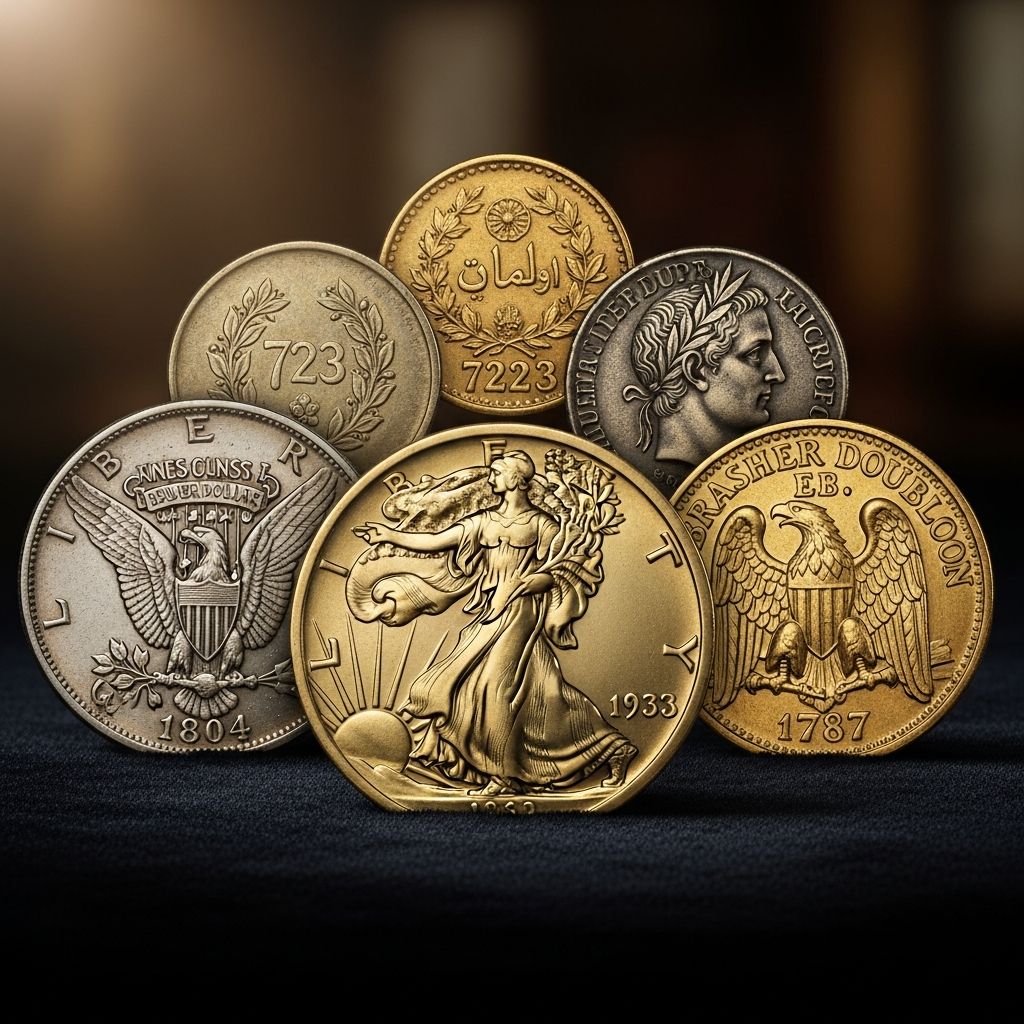
The World’s Most Valuable Coins: A Guide to Numismatic Treasures
Coin collecting represents one of the oldest and most prestigious forms of collecting, combining history, artistry, and investment potential. The world’s most valuable coins transcend their face value, representing pivotal moments in history, artistic masterpieces, and extraordinary rarity. These numismatic treasures have fetched millions of dollars at auction, captivating collectors and investors worldwide. Understanding what makes these coins valuable provides insight into the broader world of rare coin collecting and the factors that determine their worth.
What Makes a Coin Valuable?
Several key factors determine a coin’s value in the numismatic market. Rarity stands as the primary driver—coins with limited mintage or few surviving examples command premium prices. Historical significance contributes substantially to value, particularly coins from pivotal eras or those associated with important figures or events. The condition or grade of a coin significantly impacts its worth, with pristine examples fetching exponentially higher prices than damaged specimens. Demand among collectors plays a crucial role, as does the coin’s provenance and documented history of ownership. Metal content, especially for precious metals like gold and silver, provides intrinsic value independent of rarity. Finally, artistic merit and design appeal influence collector interest and long-term appreciation potential.
The 1794 Flowing Hair Silver Dollar
The 1794 Flowing Hair Silver Dollar represents one of the most iconic and valuable coins ever minted. This coin holds extraordinary significance as one of the first silver dollars issued by the United States Mint, symbolizing the young nation’s monetary independence. The obverse features Lady Liberty with flowing hair, a design that would become legendary in American numismatic history. The reverse displays an eagle, establishing a design element that would persist throughout American coinage.
What elevates this coin to legendary status is its exceptional rarity. Fewer than 1,800 coins were minted, and most have not survived to the present day. Only a handful of specimens exist in high grades, making exceptional examples extraordinarily scarce. The coin’s historical importance as an early American silver dollar, combined with its limited survival rate, has resulted in auction prices reaching into the millions. Collectors and institutions prize these coins as tangible pieces of American history, representing the nation’s early monetary system and artistic vision.
The 1933 Double Eagle
The 1933 Double Eagle stands as one of the most famous and controversial coins in American numismatic history. This twenty-dollar gold coin was minted during a turbulent period in American economic history, just as the Great Depression gripped the nation. The coin features Lady Liberty striding forward with torch and olive branch on the obverse, while an eagle soars majestically on the reverse.
The 1933 Double Eagle’s mystique derives from a remarkable historical circumstance: President Franklin D. Roosevelt halted gold coin production and recalled all gold coins from circulation as part of his response to the economic crisis. The vast majority of the approximately 445,500 Double Eagles minted in 1933 were melted down, never entering general circulation. However, a small number of coins disappeared before destruction, creating one of numismatic history’s greatest mysteries. These surviving specimens became highly sought after, and their ownership became legally contentious, adding drama to their provenance. Auction records show these coins commanding prices exceeding five million dollars, making them among the world’s most expensive coins. The combination of extreme rarity, historical significance, legal intrigue, and gold content makes the 1933 Double Eagle an iconic prize for serious collectors.
The Brasher Doubloon
The Brasher Doubloon represents an extraordinary piece of early American numismatic history. Created by Ephraim Brasher, a prominent New York goldsmith and entrepreneur, in the 1780s, these coins were private issues before the establishment of the official U.S. Mint. Brasher produced these coins from gold and stamped them with his personal mark, making them among the first coins produced in America with American gold.
The Brasher Doubloon occupies a unique position in American history as a bridge between colonial and federal monetary systems. These coins circulated in New York and surrounding areas, serving as reliable stores of value during the uncertain period following American independence. The historical significance of these private issues, combined with their extraordinary rarity—only a handful of examples survive—has elevated them to legendary status. Brasher Doubloons have sold for prices exceeding seven million dollars, making them among the world’s most valuable coins. Their importance stems from their connection to early American commerce, their role in numismatic history, and the remarkable story of Ephraim Brasher’s ambition to create a reliable monetary standard during a transitional era.
Other Notable Rare Coins
Beyond these legendary coins, numerous other specimens command extraordinary prices and capture collector attention. The 1787 Fugio Cent represents another early American rarity, while various colonial coins from the pre-independence era hold significant historical and monetary value. European coins, including rare medieval pieces and early modern issues, command substantial prices based on their rarity and historical importance.
Gold coins from various nations and eras frequently appear among the world’s most valuable specimens. Patterns and trial strikes—coins minted in extremely limited quantities for testing and approval purposes—often achieve premium prices due to their uniqueness. Coins with rare die varieties, striking errors, or unusual mintmarks create collector interest that drives valuations. Historically significant coins associated with famous figures, important events, or groundbreaking monetary transitions command premium prices from both collectors and institutions.
Factors Driving Exceptional Valuations
Several interconnected factors explain why certain coins achieve astronomical valuations. Extreme rarity stands paramount—when only a handful of specimens survive in the world, demand naturally exceeds supply, driving prices upward. Historical context amplifies value substantially; coins from pivotal eras, associated with important transitions, or featuring legendary figures generate substantial collector interest. The prestige associated with owning a world-class example motivates wealthy collectors and institutions to pay premium prices.
Condition represents another critical valuation driver. A coin graded as pristine and unmarred by circulation will command multiples of the price for a heavily worn example. Professional grading services provide standardized assessments that help establish market values and facilitate trading. Provenance—the documented ownership history—significantly influences value, particularly when the coin has been owned by famous collectors or prestigious institutions. The precious metal content, especially for gold and silver coins, provides a floor value below which collectors are unlikely to sell.
The Role of Auctions in Establishing Values
Major auction houses have played instrumental roles in establishing and publicizing record prices for the world’s most valuable coins. Prestigious auctions attract serious collectors, institutions, and investors, creating competitive bidding environments that reveal true market values. When a rare coin achieves a new record price at auction, the result generates substantial publicity and draws increased attention to numismatic collecting. However, auction prices represent transactions between willing buyer and seller at specific moments in time and may not reflect intrinsic values or typical market conditions.
Building a Valuable Coin Collection
While not everyone can afford pieces worth millions of dollars, understanding the factors that drive value can guide collectors at all levels. Focus on acquiring coins from reputable dealers and auction houses to ensure authenticity and quality. Start with coins that align with your interests—whether American coinage, ancient pieces, world coins, or specific historical periods. Prioritize condition and rarity for your budget level, as these factors drive long-term appreciation more reliably than other considerations. Have coins professionally graded by recognized services to establish documented quality levels. Research the historical significance and provenance of prospective acquisitions to ensure genuine investment potential.
The Investment Perspective on Rare Coins
Rare coins have historically served as stores of value and inflation hedges alongside traditional precious metals investing. The tangible nature of physical coins appeals to investors seeking alternatives to financial assets. However, rare coins should be considered long-term investments, as market values fluctuate based on collector demand and economic conditions. Unlike bullion coins priced primarily on metal weight, rare coins derive value from rarity and historical significance, making their markets less liquid than commodity markets. Successful rare coin investing requires substantial knowledge about grading, authentication, historical importance, and market trends.
Frequently Asked Questions About Valuable Coins
Q: How are valuable coins authenticated?
A: Professional numismatists and certified grading services authenticate rare coins through detailed examination of design elements, weight, dimensions, metal composition, and other characteristics. Major grading services like the Professional Coin Grading Service (PCGS) and Numismatic Guaranty Company (NGC) provide encapsulated, graded coins with documented authenticity assessments.
Q: What is the difference between numismatics and bullion collecting?
A: Numismatic coins are valued primarily for rarity, historical significance, and condition, with prices often far exceeding metal content. Bullion coins are valued primarily for their precious metal weight, with prices fluctuating based on commodity markets. Numismatic coins appeal to history and rarity enthusiasts, while bullion coins appeal to precious metals investors.
Q: Can I sell a valuable coin easily?
A: Exceptionally rare coins may have limited buyers, making sales potentially time-consuming. However, major auction houses actively seek world-class specimens, and established coin dealers provide alternative selling channels. The extreme rarity of the most valuable coins actually enhances their appeal to serious collectors willing to wait for the right opportunity.
Q: How should valuable coins be stored and preserved?
A: Store rare coins in secure facilities like safety deposit boxes or private vaults. Use archival-quality holders that won’t damage the coins. Maintain stable temperature and humidity conditions to prevent oxidation and deterioration. Never attempt to clean rare coins, as cleaning significantly reduces their value and damages historical patina.
Q: Are there investment opportunities in coins worth less than millions?
A: Absolutely. Mid-range rare coins in the hundreds or thousands of dollars range offer accessible entry points for collectors. Key dates, mint marks, and coins in exceptional condition for their era regularly appreciate over time. Starting with more affordable specimens allows collectors to develop expertise and potentially upgrade to more valuable pieces.
Q: What role does grading play in coin valuation?
A: Professional grading significantly impacts value, with small grade differences potentially representing substantial price variations. A coin graded MS-65 might be worth double or triple the price of the same coin graded MS-63. Standardized grading scales help establish market values and facilitate trading in the rare coin market.
References
- 9 of the World’s Most Popular Gold Bullion Coins — Bankrate. 2024. https://www.bankrate.com/investing/most-popular-gold-bullion-coins/
- 7 of the World’s Most Valuable Coins — American Rarities. 2024. https://americanrarities.com/articles/7-of-the-worlds-most-valuable-coins/
- 9 of the World’s Most Valuable Coins — AOL Finance. 2024. https://www.aol.com/finance/9-world-most-valuable-coins-190000521.html
- Professional Coin Grading Service Standards and Authentication Practices — PCGS Official Documentation. 2024. https://www.pcgs.com/
- Numismatic Guaranty Company Grading Standards — NGC Official Documentation. 2024. https://www.ngccoin.com/
Similar Articles








Read full bio of Sneha Tete