The World’s 11 Greatest Investors of All Time
Discover the investment strategies and philosophies of the world's most successful investors.

The investment world has produced numerous legendary figures whose strategies, philosophies, and remarkable track records have shaped modern finance. These individuals have not only accumulated significant wealth but have also influenced millions of aspiring investors worldwide. Understanding their approaches to investing can provide valuable insights for anyone looking to build a successful investment portfolio. This comprehensive guide explores the lives, philosophies, and accomplishments of the world’s 11 greatest investors.
1. Warren Buffett: The Oracle of Omaha
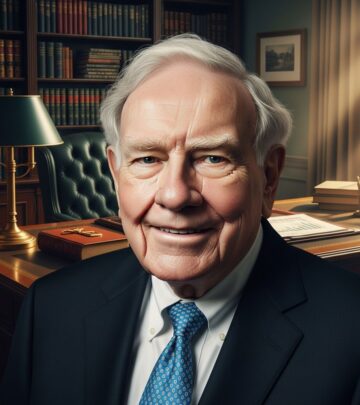
Warren Buffett stands as arguably the most renowned investor of all time. Born in 1930 in Omaha, Nebraska, Buffett began his investment journey at a remarkably young age, purchasing his first stock at just eleven years old. Today, he serves as the chairman and CEO of Berkshire Hathaway, one of the world’s largest and most successful investment conglomerates.
Buffett’s investment philosophy centers on value investing, a strategy emphasizing the purchase of fundamentally sound companies trading below their intrinsic value. He advocates for a long-term investment horizon, believing that patient capital and thorough research yield superior returns compared to frequent trading and market timing. His ability to identify undervalued businesses with sustainable competitive advantages has consistently beaten market indices over decades. Under his leadership, Berkshire Hathaway has transformed from a struggling textile manufacturer into a diversified holding company with investments spanning insurance, energy, utilities, and consumer goods.
Buffett’s famous investment principles include investing only in businesses he understands, maintaining a margin of safety, and holding quality investments indefinitely. His annual letters to shareholders have become required reading for investors worldwide, offering sage wisdom on market dynamics and investment strategy.
2. Charlie Munger: The Rational Thinker
Charlie Munger has served as Warren Buffett’s trusted lieutenant and vice-chairman of Berkshire Hathaway for decades. Born in 1924, Munger brings a multidisciplinary perspective to investing, drawing insights from psychology, mathematics, history, and natural sciences. His approach complements Buffett’s, creating one of history’s most successful investment partnerships.
Munger emphasizes purchasing shares in high-quality companies possessing durable competitive advantages, sustainable business models, and capable management teams at prices significantly below intrinsic value. He champions patience and discipline, preferring to wait for exceptional opportunities rather than constantly trading. Known for his philosophical approach to investing, Munger advocates for clear thinking, avoiding cognitive biases, and focusing on facts rather than emotions in investment decisions. He has recently become a vocal critic of cryptocurrency investments, warning investors about their speculative nature and lack of fundamental value.
3. George Soros: The Currency Speculator
George Soros represents a different investment archetype from Buffett. Known as one of history’s greatest currency traders, Soros built his reputation through hedging and macro-economic speculation. His most famous trade occurred in 1992 when he famously “broke the Bank of England” by shorting the British pound, reportedly earning over one billion dollars in a single day.
Soros excels at identifying broad macroeconomic trends and translating them into highly leveraged profitable bets in bonds and currencies. His investment style emphasizes global economic patterns, political developments, and financial market dynamics rather than individual company fundamentals. Through his Open Society Foundations and philanthropic work, Soros has also influenced global policy and social movements, demonstrating that investor success can extend beyond financial returns.
4. Peter Lynch: The Growth Stock Hunter
Peter Lynch, the legendary former manager of the Fidelity Magellan Fund, revolutionized mutual fund management through his stock-picking prowess and accessible investment philosophy. Taking over the fund in 1977 with $20 million in assets, Lynch grew it to over $14 billion by his retirement in 1990, achieving average annual returns of approximately 29 percent.
Lynch’s investment strategy relies on deep fundamental research and an exceptional talent for spotting undervalued companies with substantial growth potential. He popularized the concept of “beating the market” for average investors and proved that individual investors could compete with professional fund managers through diligent research. His famous “invest in what you know” philosophy encourages investors to identify companies within industries they understand personally, giving them information advantages over other market participants. Lynch’s accessible writing style and educational approach to investing have inspired countless individuals to become engaged investors.
5. Benjamin Graham: The Father of Value Investing
Benjamin Graham deserves recognition as the intellectual founder of value investing, the philosophy underlying many of history’s greatest investor successes. Graham’s seminal work, “The Intelligent Investor,” published in 1949, established foundational principles that continue guiding investors nearly seventy-five years later.
Graham developed the concept of “margin of safety,” advising investors to purchase securities trading at substantial discounts to calculated intrinsic value. This conservative approach protects investors during economic downturns and provides upside potential during market recoveries. His emphasis on thorough security analysis, fundamental research, and disciplined decision-making created a framework for rational investing that transcends market cycles and investor psychology.
6. John Templeton: The Contrarian Pioneer
Sir John Templeton pioneered contrarian investing, deliberately seeking investments when market pessimism created bargain opportunities. Beginning his investment career during the Great Depression, Templeton recognized that maximum pessimism often precedes market recovery, making that precise moment ideal for patient investors to deploy capital.
Templeton founded Template Growth Fund in 1954, which significantly outperformed market indices for decades. His global investing approach was revolutionary, recognizing investment opportunities across international markets when others focused exclusively domestically. His famous principle of buying “when there’s blood in the streets” captures his philosophy of deploying capital when fear dominates market sentiment.
7. Joel Greenblatt: The Quant Developer
Joel Greenblatt revolutionized stock selection by developing quantitative investment frameworks. As founder of Gotham Capital and creator of “The Magic Formula,” Greenblatt systematized stock selection by identifying undervalued companies possessing high earnings yields and exceptional returns on invested capital.
Greenblatt’s approach seeks to identify temporary market mispricing opportunities, purchasing quality companies at depressed valuations due to short-term challenges. His methodology demonstrates that systematic, research-based approaches can identify market inefficiencies consistently. By removing emotion from investment decisions and relying on quantitative metrics, Greenblatt’s framework appeals to investors seeking discipline and objectivity in security selection.
8. Michael Burry: The Contrarian Analyst
Michael Burry rose to prominence through his prescient analysis of the U.S. housing market collapse preceding the 2008 financial crisis. Despite overwhelming market consensus that housing markets would continue appreciating indefinitely, Burry’s deep research identified massive fundamental weaknesses in mortgage-backed securities and housing valuations.
Operating through his investment vehicle Scion Asset Management, Burry championed deep-value investing, performing exhaustive research to identify dramatically undervalued securities others had overlooked. His story, chronicled in the book and film “The Big Short,” demonstrates the importance of independent thinking, rigorous analysis, and conviction in one’s research, even when contradicting prevailing market sentiment. His career illustrates that exceptional returns often result from identifying investments where consensus opinion proves demonstrably wrong.
9. Terry Smith: The Quality Champion
Terry Smith represents one of the UK’s most successful investors, building an exceptional track record through his focus on quality companies offering durable competitive advantages. As founder of Fundsmith, Smith manages the Fundsmith Equity Fund, which has consistently delivered superior returns to global equity indices.
Smith’s philosophy emphasizes investing in high-quality businesses possessing strong competitive moats, capable management, and sustainable profit generation. His long-term investment horizon and focus on quality compounds returns while minimizing volatility. Smith believes that quality investments self-reinforce, as strong competitive positions enable reinvestment at superior returns, creating powerful wealth accumulation over extended periods.
10. Carl Icahn: The Activist Investor
Carl Icahn pioneered activist investing, acquiring significant stakes in underperforming companies and implementing operational and strategic improvements. Unlike passive investors, Icahn actively engages with management, demanding changes that unlock shareholder value. His confrontational style has generated substantial returns, though often creating contentious situations.
Icahn’s approach combines detailed fundamental analysis with governance activism, recognizing that investor returns depend partly on management quality and strategic decisions. His willingness to engage in proxy battles and public confrontations demonstrates conviction in his analysis and commitment to maximizing shareholder returns.
11. Ray Dalio: The Systems Thinker
Ray Dalio founded Bridgewater Associates, building the world’s largest hedge fund through a systematic, data-driven investment approach. Dalio emphasizes radical transparency, merciless meritocracy, and systematic frameworks for understanding economic systems and market dynamics.
Dalio’s concept of “radical transparency” and his “Principles” have influenced investment management far beyond his firm. His macro-economic frameworks attempt to identify investment opportunities by understanding underlying economic drivers and historical patterns. His work demonstrates that rigorous systematic thinking and willingness to challenge conventional wisdom consistently produce exceptional results.
Common Investment Principles Among Greatness
Despite their diverse approaches, history’s greatest investors share fundamental principles:
Disciplined Research: All great investors conduct meticulous analysis before investing. They understand their holdings deeply and remain informed about relevant developments.
Contrarian Thinking: Successful investors often pursue strategies contradicting prevailing market sentiment. They recognize that exceptional returns require identifying opportunities others overlook.
Long-Term Perspective: Most legendary investors maintain patient capital, refusing to trade frequently or chase short-term trends. Compound returns over extended periods generate superior wealth.
Risk Management: Rather than chasing returns indiscriminately, great investors carefully manage risk through diversification, margin of safety, and position sizing.
Emotional Discipline: Investment success requires controlling psychological biases, maintaining objectivity, and avoiding emotional decision-making during market extremes.
Learning from Investment Legends
Many legendary investors have authored books sharing their methodologies and philosophies. Warren Buffett’s annual shareholder letters, Benjamin Graham’s “The Intelligent Investor,” Peter Lynch’s “One Up on Wall Street,” and George Soros’s “The Alchemy of Finance” provide invaluable insights. These works have educated generations of investors and continue influencing investment professionals today.
Aspiring investors should recognize that while investment styles vary significantly, certain foundational principles appear consistently among successful practitioners. Developing your investment philosophy requires honest self-assessment regarding your investment horizon, risk tolerance, and knowledge base. Some investors excel at fundamental stock analysis like Buffett, while others succeed through macro-economic analysis like Soros or activist strategies like Icahn.
Frequently Asked Questions
Q: Who is considered the greatest investor of all time?
A: Warren Buffett is widely regarded as the greatest investor of all time. Born in 1930, he founded Berkshire Hathaway and has consistently beaten market indices through value investing principles and long-term patience. However, greatness varies depending on investment style and time period considered.
Q: What is value investing?
A: Value investing involves purchasing securities trading below their calculated intrinsic value. Practitioners like Buffett and Graham identify fundamentally sound companies undervalued by markets, purchasing with a margin of safety and holding for long-term appreciation.
Q: Can average investors replicate legendary investor strategies?
A: Yes, many legendary investors built their philosophies around principles accessible to individual investors. Warren Buffett and Peter Lynch deliberately advocated for approaches available to non-professionals. However, successful implementation requires discipline, patience, research capability, and realistic expectations.
Q: What books should aspiring investors read?
A: Essential reading includes Benjamin Graham’s “The Intelligent Investor,” Peter Lynch’s “One Up on Wall Street,” Warren Buffett’s annual shareholder letters, and George Soros’s “The Alchemy of Finance.” These works provide foundational frameworks for investment success.
Q: How do investment styles differ among great investors?
A: Investment styles vary significantly. Buffett focuses on fundamentally undervalued companies, Soros emphasizes macro-economic trends and currency trading, Lynch identifies growth companies, while Icahn practices activist investing. Understanding your strengths helps determine which philosophy suits you best.
Q: What role does patience play in investment success?
A: Patience is fundamental to investment success. Most legendary investors maintain long holding periods, resist emotional trading during market volatility, and allow compound returns to accumulate. Quick trading typically underperforms patient capital deployment.
References
- The World’s Greatest Investors & Who to Follow in 2024 — Trading 212. 2024. https://www.trading212.com/learn/investing-101/greatest-investors
- Warren Buffett Biography and Investment Philosophy — CNBC. Accessed 2025. https://www.cnbc.com/
- George Soros and Currency Trading Success — Axios. Accessed 2025. https://www.axios.com/
- Peter Lynch and Fidelity Magellan Fund Performance — Fox Business. Accessed 2025. https://www.foxbusiness.com/
- Terry Smith and Fundsmith Investment Management — InvestmentWeek. 2024. https://www.investmentweek.com/
Similar Articles








Read full bio of Sneha Tete