Working Capital Loan: Definition, Uses, and Benefits
Comprehensive guide to working capital loans for businesses seeking short-term financing solutions.

What Is a Working Capital Loan?
A working capital loan is a type of short-term financing solution offered by banks and alternative lenders to help businesses cover their everyday operational expenses. These loans are specifically designed to provide companies with the cash needed to maintain smooth business operations without requiring collateral from long-term assets. Unlike traditional term loans used for major capital investments, working capital loans focus on immediate, operational financial needs.
Working capital loans function as a form of debt financing that addresses temporary shortfalls in working capital. They bridge the gap between the cash a company has on hand and the cash it needs to pay for immediate obligations such as wages, rent, inventory, and supplier payments. These loans are typically taken as a lump sum and classified as demand loans, meaning the lender can request repayment at any time.
Understanding Working Capital
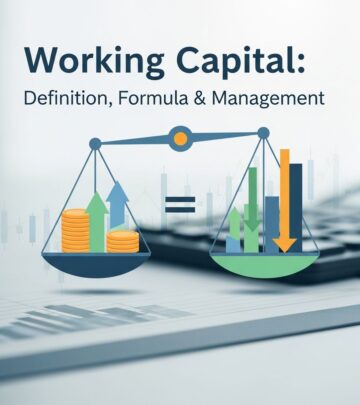
Before exploring working capital loans in detail, it’s important to understand what working capital actually is. Working capital represents the difference between a company’s current assets and current liabilities. In simpler terms, it’s the cash available after accounting for all money flowing in and out of your business.
Healthy working capital is essential for any business because it ensures you have sufficient funds to meet financial obligations, pay employees on time, settle supplier invoices, and maintain operational continuity. Without adequate working capital, even profitable businesses can face serious challenges or potentially fail.
Primary Uses of Working Capital Loans
Working capital loans serve multiple purposes for businesses across various industries. Here are the primary applications:
Day-to-Day Operational Expenses
The most common use of working capital loans is financing routine business operations. This includes paying employee wages, covering rent or lease payments, purchasing inventory, and maintaining utility bills. Small and medium-sized businesses particularly rely on these loans to ensure uninterrupted operations.
Sales and Marketing Activities
Companies often need additional capital to fund marketing campaigns, advertising initiatives, and sales expansion efforts. A working capital loan can provide the necessary funds to launch new marketing strategies or expand into new markets without disrupting regular operations.
Research and Development
Product development and innovation require significant upfront investment. Working capital loans enable companies to fund R&D activities while maintaining their current operations, potentially leading to new products or services that drive future growth.
Bridging Cash Flow Gaps
Many businesses experience timing mismatches between receiving payments from customers and paying suppliers. Working capital loans bridge these gaps, ensuring the company can meet its obligations even when customer payments are delayed. This is particularly crucial for businesses operating on invoice-based payment terms.
Seasonal Business Needs
Seasonal businesses face unique challenges, with periods of high activity followed by slower periods. For example, a Halloween mask manufacturer might need significant working capital in summer to ramp up production for the fall season. Working capital loans help these businesses fund production during off-seasons, and the loans are typically repaid during peak revenue periods.
Capitalizing on Growth Opportunities
When unexpected demand spikes or special opportunities arise, businesses may not have sufficient working capital on hand. A working capital loan allows companies to seize these opportunities, such as fulfilling a large customer order or taking advantage of supplier discounts on bulk purchases, without compromising their financial stability.
Characteristics of Working Capital Loans
Loan Structure and Terms
Working capital loans are typically provided as lump-sum disbursements rather than line-of-credit arrangements. The repayment structure, including interest rates, loan term, and amortization period, depends primarily on the borrower’s capacity to cover debt payments and secondarily on the type of collateral used to secure the loan. Businesses should carefully review these terms before committing.
Secured vs. Unsecured Loans
Most working capital loans are secured, meaning they’re backed by company assets as collateral. This collateral can include physical assets such as inventory, equipment, machinery, property, or intangible assets like intellectual property. Secured loans typically feature longer payment terms and more favorable interest rates.
Unsecured working capital loans are available but less common. These loans require a strong credit rating to demonstrate creditworthiness to the lender. Unsecured financing carries higher risk for lenders, resulting in higher interest rates and lower borrowing limits compared to secured options.
Collateral Requirements
If land or real estate secures the loan, lenders typically offer longer payment terms and more favorable interest rates. Other acceptable forms of collateral include inventory, accounts receivable, equipment, and sometimes intellectual property rights. The quality and liquidity of collateral significantly impact loan approval and terms.
Benefits of Working Capital Loans
Quick Access to Funds
Working capital financing can be a rapid way to access needed capital. Many businesses receive funds within 24 hours of application. Traditional banks may require extensive paperwork, while alternative lenders offering invoice finance or merchant cash advances often process applications even faster.
Operational Continuity
By ensuring adequate working capital, businesses can maintain smooth operations, meet payroll obligations, and pay suppliers on time. This reliability strengthens business relationships and enhances company reputation.
Flexibility
Working capital loans can be used for various purposes, allowing businesses to address their specific operational needs. Whether funding expansion, seasonal needs, or managing cash flow gaps, these loans provide flexibility in deployment.
Business Growth Opportunities
With access to working capital, entrepreneurs can seize growth opportunities such as hiring additional employees, launching new products, or expanding into overseas markets. These opportunities might otherwise be missed due to insufficient cash reserves.
Improved Cash Flow Management
Working capital loans help businesses manage timing mismatches between receivables and payables, reducing financial stress and improving overall cash flow predictability.
Drawbacks and Considerations
Cost of Borrowing
Unsecured working capital loans typically carry higher interest rates than secured options. Additionally, modern alternative financing methods such as invoice finance and merchant cash advances often charge higher overall fees compared to traditional bank loan interest rates, potentially impacting cash flow significantly.
Collateral Requirements
Most working capital loans require collateral, placing company assets at risk. If the business cannot repay the loan, the lender can seize the pledged assets.
Demand Loan Status
Since working capital loans are classified as demand loans, lenders can request full repayment at any time, creating potential financial stress and uncertainty for borrowers.
Credit Score Impact
Failure to repay working capital financing on time negatively impacts credit scores, reducing the likelihood of future financing approval and affecting the business’s long-term financial health.
Working Capital Loan vs. Line of Credit
While both working capital loans and lines of credit are used to cover everyday expenses, they have important structural differences. Working capital loans are taken as lump-sum disbursements with fixed repayment schedules, while lines of credit provide ongoing access to funds that can be drawn as needed. Lines of credit often offer more flexibility but may carry variable interest rates. The choice between these options depends on the business’s specific needs, cash flow patterns, and borrowing preferences.
How to Qualify for a Working Capital Loan
Credit and Financial History
Lenders evaluate business credit scores, financial statements, tax returns, and overall business history. Strong financial performance and credit ratings increase approval likelihood and improve interest rate terms.
Collateral Assessment
For secured loans, lenders assess the value and liquidity of proposed collateral. Assets with stable, predictable values are generally preferred.
Repayment Capacity
Lenders analyze the business’s ability to generate sufficient revenue to repay the loan according to agreed terms. Cash flow projections and business plans are typically reviewed.
Personal Guarantee
For unsecured loans, lenders often require personal guarantees from business owners, making owners personally liable if the business cannot repay.
Choosing the Right Working Capital Financing
Several types of working capital finance are available beyond traditional loans. Purchase order (PO) financing helps businesses that receive customer orders but lack supplier funds. Invoice financing (factoring and discounting) allows businesses to receive loans using unpaid invoices as security. Merchant cash advances provide upfront payments in exchange for a portion of future credit card receipts. Asset-based finance uses balance sheet assets as loan security.
When selecting working capital financing, consider your business’s financial situation, ability to repay debt, and the overall cost of financing. Evaluate how different options impact your credit score and long-term financial health. Seeking independent specialist advice can help identify the most suitable financing method for your specific circumstances.
Frequently Asked Questions
Q: What is the typical repayment period for a working capital loan?
A: Repayment periods for working capital loans vary depending on the lender and loan terms. Short-term working capital loans typically range from a few months to two years. The specific repayment timeline depends on the borrower’s capacity to cover debt payments and the collateral securing the loan.
Q: Can startups obtain working capital loans?
A: Startups may face challenges securing traditional working capital loans due to limited operating history and credit records. However, alternative lenders and specialized startup financing programs may offer options. Personal credit scores and collateral become more critical for newer businesses.
Q: How much can I borrow with a working capital loan?
A: Loan amounts depend on various factors including business revenue, credit rating, collateral value, and the lender’s policies. Secured loans typically allow higher borrowing amounts than unsecured options. Lenders generally issue loans based on a percentage of company assets or monthly revenue.
Q: Is working capital financing suitable for long-term investments?
A: Working capital loans are generally not designed for long-term assets and major capital investments. For such purposes, alternative financing options with better interest rates and terms are available, including term loans or equipment financing specifically structured for long-term needs.
Q: What happens if I cannot repay the working capital loan on time?
A: Failure to repay on schedule can result in severe consequences, including damage to your credit score, legal action from the lender, and potential seizure of pledged collateral. This impacts your ability to secure future financing and may affect your business’s long-term viability. It’s crucial to ensure your business can reliably repay the loan before borrowing.
Q: How quickly can I access working capital loan funds?
A: Traditional bank working capital loans may require one to two weeks for approval and funding. Alternative lenders often process applications faster, with some businesses receiving funds within 24 hours. The timeline depends on the lender type, application completeness, and documentation quality.
References
- Working Capital Loan — Business Development Bank of Canada (BDC). 2024. https://www.bdc.ca/en/articles-tools/entrepreneur-toolkit/templates-business-guides/glossary/working-capital-loan
- Working Capital Loan – Overview, Uses, Benefits, Drawbacks — Corporate Finance Institute. 2024. https://corporatefinanceinstitute.com/resources/commercial-lending/working-capital-loan/
- What is working capital finance, and how does it work? — British Business Bank. 2024. https://www.british-business-bank.co.uk/business-guidance/guidance-articles/finance/what-is-working-capital-finance-and-how-does-it-work
Similar Articles








Read full bio of medha deb