Worcester State University: Affordable Excellence in Higher Education
Discover Worcester State University: Top-ranked public institution offering affordable, quality education with strong career outcomes.
Worcester State University: Excellence, Affordability, and Opportunity
Worcester State University stands as a beacon of quality education in Massachusetts, combining academic rigor with financial accessibility. Located in Worcester, the second-largest city in New England, this public liberal arts and sciences university has earned consistent recognition as one of the nation’s best value colleges. With over 5,600 students enrolled across undergraduate and graduate programs, Worcester State delivers transformative educational experiences that prepare students for successful careers and engaged citizenship.
The university’s commitment to excellence is reflected in its numerous accolades and consistent rankings among the nation’s top institutions. As a Massachusetts state university, Worcester State has distinguished itself through innovative curriculum design, dedicated faculty, and a supportive learning environment that emphasizes student success from day one.
Academic Rankings and Recognition
Worcester State University consistently ranks among the top public universities in the United States. According to U.S. News & World Report’s 2024 rankings, the university is recognized as the #31 Top Public School and ranks #96 among Best Regional Universities in the North. These rankings reflect the institution’s commitment to maintaining high academic standards while remaining accessible to diverse student populations.
Beyond national rankings, Worcester State has earned significant regional recognition. The university has received the prestigious “Best in the Northeast” ranking for 16 consecutive years from The Princeton Review and maintains a position on their list of the nation’s “Best Value Colleges.” Locally, Worcester State has been named the #1 Best College or University in Central Massachusetts for multiple consecutive years in the Telegram & Gazette Reader’s Poll.
The university’s academic programs are accredited by the New England Commission on Higher Education, Inc. (NECHE), formerly the New England Association of Schools and Colleges (NEASC), ensuring that its liberal arts and sciences curriculum meets or exceeds rigorous quality standards. Overall, Worcester State ranks 740 out of 1,715 colleges in comprehensive quality assessments, placing it in the top 43% of institutions nationwide.
Comprehensive Academic Programs
Worcester State University offers an extensive range of academic programs designed to meet diverse student interests and career aspirations. The university provides 95+ undergraduate majors and minors leading to Bachelor of Science, Bachelor of Arts, and Bachelor of Science in Nursing degrees. Additionally, the institution offers 30+ graduate programs including Master of Science, Master of Arts, Master of Education, and Education Specialist degrees.
Popular undergraduate majors at Worcester State include Psychology, Business, and Criminal Justice and Safety Studies. The university also offers specialized programs in areas such as business administration, criminal justice, health education, and urban studies. Notably, Worcester State’s nursing program ranks in the top half of schools nationally for undergraduate nursing education.
A distinctive feature of the Worcester State experience is the requirement that students pursue two areas of study—either a major and a minor or a double major. This multidisciplinary approach enables students to develop broader skill sets and explore interconnected academic disciplines, enhancing their preparation for complex modern careers.
Student Body and Campus Community
Worcester State serves a diverse and engaged student population of approximately 5,611 students, with 4,734 total undergraduates across full-time and part-time enrollment options. The university maintains an exceptionally low 15:1 student-to-faculty ratio, ensuring personalized attention and strong relationships between students and instructors. This commitment to small class sizes distinguishes Worcester State from many larger public universities.
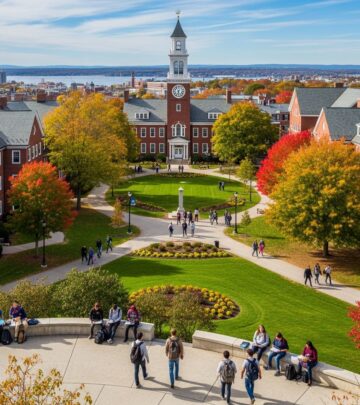
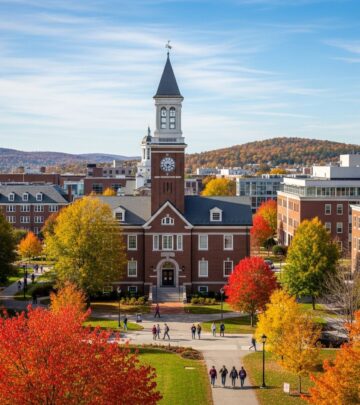
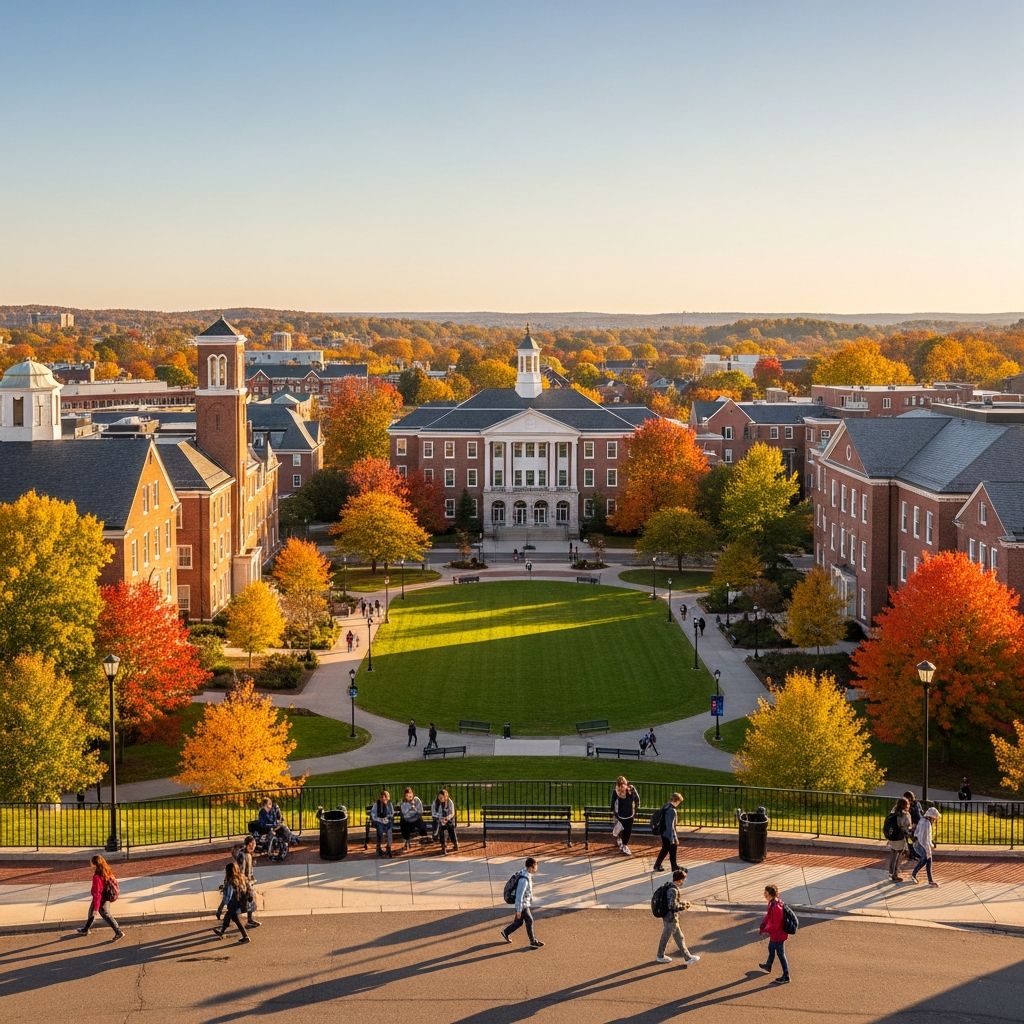
The 58-acre campus is situated in Worcester’s residential northwest area, providing a safe and welcoming environment for learning and personal growth. Worcester itself offers significant advantages for students, as the city is home to approximately 35,000 college students across nine colleges and universities, creating a vibrant intellectual community. The location also provides convenient access to major metropolitan areas, with Boston, Springfield, and Providence, Rhode Island, each approximately an hour’s drive away.
Campus life at Worcester State is rich and varied. Students can engage in Division III athletics, with opportunities to compete in sports including baseball, ice hockey, soccer, lacrosse, and tennis. For those interested in less competitive athletic engagement, the university offers numerous intramural sports such as flag football, dodgeball, and floor hockey.
Financial Aid and Affordability
Affordability is a cornerstone of the Worcester State mission. The university’s average net price per year is $14,307, making it one of the most financially accessible quality institutions in the region. Approximately 3,706 students receive financial aid, representing 66% of the student body. This commitment to affordability ensures that excellent education remains within reach for students from diverse socioeconomic backgrounds.
Worcester State’s emphasis on value education has earned it recognition from both local and national organizations. The university is listed among Princeton Review’s “Best Value Colleges” and has been consistently acknowledged for providing exceptional educational quality at reasonable cost. This financial accessibility, combined with academic excellence, creates an compelling value proposition for prospective students seeking quality higher education without excessive debt burden.
Faculty Excellence and Educational Resources
The faculty at Worcester State University demonstrates a genuine passion for teaching and student development. Faculty members are known for bringing course material to life through engaging instruction and a willingness to provide support beyond classroom requirements. Professors are described as “unique, authentic, and very original,” with deep knowledge of their disciplines and commitment to fostering critical thinking skills.
The university invests competitively in faculty compensation, adjusted for cost of living, to attract experienced and dedicated educators. This investment in faculty resources helps Worcester State maintain educational quality and support students’ academic and professional development. Faculty compensation at Worcester State ranks better than approximately 77% of comparable institutions, indicating strong investment in human capital.
Student Success and Degree Completion
Worcester State demonstrates strong commitment to student success through multiple support mechanisms. The university’s freshmen retention rate places it better than approximately 74% of comparable institutions, indicating that first-year students are satisfied with their experience and successfully supported in their transition to university life. This strong retention reflects effective advising, mentoring, and academic support services.
The six-year graduation rate at Worcester State is 56%, with 95% of graduates employed within one year of graduation. These outcomes demonstrate the university’s success in preparing students for career readiness. The institution’s starting salary boost—comparing graduate earnings to those of students with the same majors at other institutions—places Worcester State better than approximately 71% of comparable schools, indicating that graduates earn competitive salaries relative to their field.
Student feedback reflects confidence in career preparation, with 67% of students reporting confidence that they will find jobs in their field after graduation. Many students value Worcester State specifically for its affordability combined with quality education and strong career support, citing the university’s assistance in achieving their professional goals as a key benefit.
Research and Experiential Learning
Worcester State emphasizes experiential learning opportunities that extend beyond traditional classroom instruction. Students conduct innovative research and develop creative ideas alongside acclaimed faculty, gaining hands-on experience in their fields of study. The university also facilitates service learning experiences that connect students with the Worcester community, fostering civic engagement and social responsibility.
Additionally, Worcester State students benefit from internship opportunities with local and regional employers, providing practical work experience that enhances career preparation. The university also supports study away opportunities both within the United States and internationally, enabling students to broaden their perspectives and develop global competence. These multifaceted experiential learning opportunities distinguish Worcester State’s education from purely classroom-based instruction.
Admission and Student Profile
Worcester State University maintains an acceptance rate of 90%, making it accessible to qualified applicants seeking quality education. The university welcomes students from diverse academic backgrounds and geographic origins, creating a vibrant and inclusive campus community.
The admission process evaluates applicants holistically, considering academic achievement, standardized test scores, and personal qualities. The university’s commitment to accessibility does not compromise academic standards; Worcester State maintains rigorous expectations for student performance and engagement.
Niche Rankings and Student Satisfaction
Beyond national rankings, Worcester State maintains strong grades across multiple Niche categories reflecting student experience. The university earns an A- grade for Value, reflecting its affordability and strong return on investment. Diversity receives an A-, indicating meaningful representation across the student body. Athletics ranks at B-, while Party Scene earns B-, and Location receives B-.
Areas identified for improvement include Academics (C), Professors (C), and Campus Food (C), reflecting ongoing opportunities for enhancement in these domains. Overall, these rankings and student feedback indicate a solid institution with particular strength in value and diversity while maintaining room for continuous improvement in academic and residential experiences.
Campus Facilities and Student Life
Worcester State provides dormitory options for students, with dorms receiving a B rating on Niche’s assessment. The residential experience contributes to campus community building and student engagement. Campus safety receives a B- rating, indicating that the university maintains reasonable security measures.
Student life at Worcester State encompasses academic clubs, cultural organizations, and recreational activities that foster community and personal development. The midsize city setting of Worcester provides urban amenities while maintaining a collegiate atmosphere, allowing students to balance academic pursuits with social engagement and cultural exploration.
Career Outcomes and Alumni Success
Graduates of Worcester State University achieve strong career outcomes, with 95% employed within one year of graduation. This high employment rate reflects both the quality of education and the university’s commitment to career preparation through internships, networking events, and alumni engagement programs.
The university’s career services office assists students with job searching, resume development, interview preparation, and professional networking. Alumni networks provide ongoing support and mentoring for recent graduates transitioning into their careers, facilitating long-term professional success and engagement.
Accreditation and Quality Assurance
Worcester State University’s accreditation by NECHE ensures that the institution meets rigorous standards for educational quality, student support, and institutional management. This accreditation status provides assurance to students and employers that degrees from Worcester State represent genuine achievement and competence. The accreditation process includes regular external reviews and continuous quality improvement initiatives, maintaining accountability to both students and the broader academic community.
Frequently Asked Questions
Q: What is Worcester State University’s acceptance rate?
A: Worcester State University maintains an acceptance rate of 90%, making it accessible to qualified applicants seeking quality education at an affordable price.
Q: What is the average cost of attending Worcester State University?
A: The average net price per year is $14,307, with approximately 66% of students receiving financial aid to make education affordable.
Q: What is the student-to-faculty ratio at Worcester State?
A: Worcester State maintains a 15:1 student-to-faculty ratio, ensuring personalized attention and strong relationships between students and instructors.
Q: What majors does Worcester State offer?
A: The university offers 95+ undergraduate majors and minors and 30+ graduate programs across diverse disciplines including business, psychology, criminal justice, nursing, and health education.
Q: What is the graduation rate at Worcester State?
A: Worcester State’s six-year graduation rate is 56%, with 95% of graduates employed within one year of graduation.
Q: Does Worcester State require students to declare a major and minor?
A: Yes, Worcester State students are required to pursue two areas of study—either a major and a minor or a double major—providing multidisciplinary educational experience.
Q: How is Worcester State ranked nationally?
A: According to U.S. News & World Report 2024, Worcester State ranks #31 among Top Public Schools and #96 among Best Regional Universities in the North.
Q: What experiential learning opportunities are available?
A: Students can conduct research with faculty, engage in service learning, complete internships, and participate in study away programs domestically and internationally.
References
- In Depth Nationwide Quality Ranking of Worcester State University — College Factual. 2024. https://www.collegefactual.com/colleges/worcester-state-university/rankings/quality-why/
- Worcester State University Undergrad Profile — CollegeXpress. 2024. https://www.collegexpress.com/college/profile/2005660/
- At a Glance — Worcester State University. 2024. https://www.worcester.edu/admissions-aid/at-a-glance/
- Worcester State University – Niche — Niche. 2024. https://www.niche.com/colleges/worcester-state-university/
- Worcester State University – Times Higher Education — Times Higher Education. 2024. https://www.timeshighereducation.com/world-university-rankings/worcester-state-university
- Worcester State University (WSU) – The Princeton Review — The Princeton Review. 2024. https://www.princetonreview.com/college/worcester-state-university-1023887
Similar Articles








Read full bio of Sneha Tete