Women Pay More for Health Care: How to Pay Less
Discover why women face higher healthcare costs and proven strategies to reduce out-of-pocket expenses effectively.

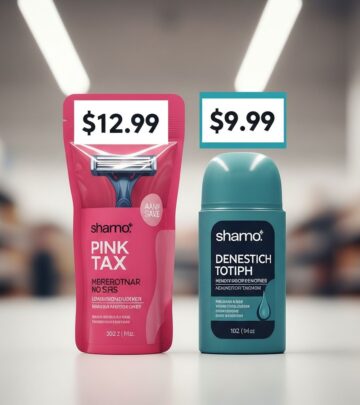
Women in the United States face a significant financial burden in healthcare, paying billions more out-of-pocket annually than men, even with similar insurance coverage. A Deloitte analysis of over 16 million individuals shows women incur $15.4 billion extra yearly, or about 18% higher costs per person after excluding maternity care. This ‘pink tax’ in healthcare stems from higher service utilization, costlier screenings like mammograms, and plan designs that undervalue women’s needs. Longer life expectancy adds two extra years of premiums for women. While systemic changes are needed, women can take immediate steps to slash expenses. This article covers the key reasons for the disparity and 12 practical strategies to pay less.
Why Women Pay More for Healthcare
Multiple factors drive women’s elevated costs. Women visit providers more frequently—often for recommended annual checkups, gynecological exams, and menopause-related care—leading to claims that exceed deductibles faster. Men are more likely to delay visits, with 46% having under $1,000 in annual claims versus 35% of women. Services like breast cancer imaging cost more than other screenings. Insurance actuarial value is $1.3 billion lower for women, meaning less coverage from premiums. Recent data confirms stagnation: women rate insurance access an F and financial toxicity a D, with 41% unable to afford deductibles. Prescription drugs burden women more, with 26% skipping meds versus 19% of men. These gaps persist across ages 19-64.
1. Understand Your Medical Bills
The first step to savings is demystifying bills. Hospitals often use ‘chargemaster’ rates far above insurer-negotiated prices—up to 10x higher. Request an itemized bill to spot errors like duplicate charges or upcoded services. Under the No Surprises Act (2022), patients get good-faith estimates upfront for scheduled services. Review Explanation of Benefits (EOB) statements, which detail what insurers paid versus your share. Errors occur in 80% of bills; catching them can save hundreds. Use free tools from nonprofits like PatientAdvocate.org for bill reviews.
2. Negotiate Your Bills
Don’t pay the sticker price—negotiate. Call the billing department and politely request a discount, citing financial hardship or cash-pay rates (often 30-50% lower). Hospitals have charity care policies mandated by law; apply if income-qualified. For uninsured rates, ask for a prompt-pay discount. Success stories abound: one woman reduced a $2,000 bill to $400 by negotiating. Persistence pays; escalate to supervisors if needed.
3. Shop Around for Services
Prices vary wildly by provider. Use sites like Healthcare Bluebook or New Choice Health to compare cash prices for MRIs ($400-$2,500), colonoscopies ($1,000-$5,000), or lab tests. Independent imaging centers charge 40-60% less than hospitals. For non-emergencies, get multiple quotes. In-network doesn’t always mean cheapest—check allowed amounts.
| Procedure | Hospital Avg. | Freestanding Avg. | Savings Potential |
|---|---|---|---|
| MRI | $2,000 | $600 | 70% |
| Colonoscopy | $3,500 | $1,500 | 57% |
| Blood Work | $300 | $100 | 67% |
Averages based on national data; shop locally for best deals.
4. Choose High-Deductible Health Plans (HDHPs) Wisely
HDHPs pair with Health Savings Accounts (HSAs) for tax-free savings on premiums and expenses. Women benefit if healthy, as lower premiums offset higher utilization risks. Pair with HSA contributions—2026 max is $4,300 individual/$8,550 family, plus $1,000 catch-up over 55. Invest HSA funds for growth; use for retiree care.
5. Maximize Your HSA or FSA
HSAs roll over indefinitely; FSAs don’t. Contribute pre-tax dollars for deductibles, copays, and qualified expenses like LASIK or thermometers. Women save on reproductive health items like birth control or fertility treatments if eligible. Track receipts meticulously for IRS compliance.
6. Use Preventive Care Perks
ACA mandates free preventive services: mammograms, Pap smears, STI screenings, prenatal care, and contraception. Schedule annually to catch issues early, avoiding costly treatments. Women over 40 get biennial mammograms at no cost.
7. Ask for Generics and 90-Day Supplies
Generics cost 80-85% less; request them. Mail-order pharmacies like Express Scripts offer 90-day supplies at lower copays. GoodRx coupons slash prices—e.g., $10 birth control pills. Women skip meds more due to cost (26%)—don’t.
- Compare pharmacy prices via apps.
- Request therapeutic equivalents.
- Check patient assistance programs from pharma companies.
8. Seek Out Free or Low-Cost Clinics
Federally Qualified Health Centers (FQHCs) offer sliding-scale fees based on income. Planned Parenthood provides affordable gyn care, birth control, and cancer screenings. Community health fairs offer free BP checks and vaccines. For uninsured women, these fill gaps.
9. Leverage Employer Wellness Programs
Many offer free screenings, gym discounts, or smoking cessation—reducing future costs. Tobacco users pay up to 50% higher premiums; quit to save. Wellness incentives can rebate $500+ annually.
10. Buy Insurance During Open Enrollment
Shop Marketplace plans at Healthcare.gov. Women qualify for subsidies based on income, capping premiums at 8.5% of household income. Compare actuarial values—avoid plans undervaluing women’s needs.
11. Consider Direct Primary Care (DPC)
DPC memberships ($50-100/month) cover unlimited visits, labs, and chronic care without insurance billing. Ideal for routine gyn needs, saving on copays.
12. Explore Medical Discount Plans
Plans like AmeriPlan or DentalPlans.com negotiate 20-50% off for cash-pay services. Not insurance, but useful for uninsured or high-deductible users.
Frequently Asked Questions (FAQs)
Why do women pay more for healthcare?
Women have higher utilization (e.g., screenings, gyn visits), costlier services like mammograms, and insurance plans with lower actuarial value, leading to 18% higher out-of-pocket costs.
How much more do women spend annually?
$15.4 billion collectively, or $266 more per employed woman excluding maternity.
Can I negotiate hospital bills?
Yes, request itemized bills, cite hardship, and ask for cash or charity discounts—savings up to 50%.
Are HSAs good for women?
Yes, especially with HDHPs, for tax-free savings on frequent visits and long-term care.
What free services am I entitled to?
ACA covers preventive care like mammograms, Pap tests, and birth control at no cost.
Closing the Gap
By understanding bills, negotiating, shopping services, maximizing HSAs, and using free perks, women can reclaim thousands yearly. Advocate for gender-fair plan designs. Track expenses and adjust habits for optimal savings. Empower yourself—lower costs improve access and health.
References
- Women pay billions more out of pocket for health care: analysis — Axios. 2023-09-26. https://www.axios.com/2023/09/26/women-health-costs-higher
- US women are paying more for healthcare than men every year — World Economic Forum. 2023-10. https://www.weforum.org/stories/2023/10/healthcare-equality-united-states-gender-gap/
- The Pink Tax: The Burden of Additional Costs on Women’s Healthcare — American Medical Women’s Association. 2022. https://amwa-doc.org/the-pink-tax-the-burden-of-additional-costs-on-womens-healthcare/
- The Cost of Being a Woman in the U.S. Health Care System: Still Too High — Society for Women’s Health Research. 2025. https://swhr.org/the-cost-of-being-a-woman-in-the-u-s-health-care-system-still-too-high/
- You Won’t Believe How Much More Women Pay for Healthcare Than … — Women’s Health Magazine. N/A. https://www.womenshealthmag.com/life/a19996668/women-pay-more-healthcare/
- Women Pay More for Health Care — Here’s How to Pay Less — Wise Bread. N/A. https://www.wisebread.com/women-pay-more-for-health-care-heres-how-to-pay-less
- Why I (Heart) My High Deductible Health Insurance Plan — Wise Bread. N/A. https://www.wisebread.com/why-i-heart-my-high-deductible-health-insurance-plan
Similar Articles








Read full bio of medha deb