Wise Bread Reloaded: How to Prepare and Enjoy Our Modern, Monstrously Large Chickens
Master the art of cooking giant Ross 308 broilers with tips on roasting, carving, and creative recipes for juicy, flavorful results every time.
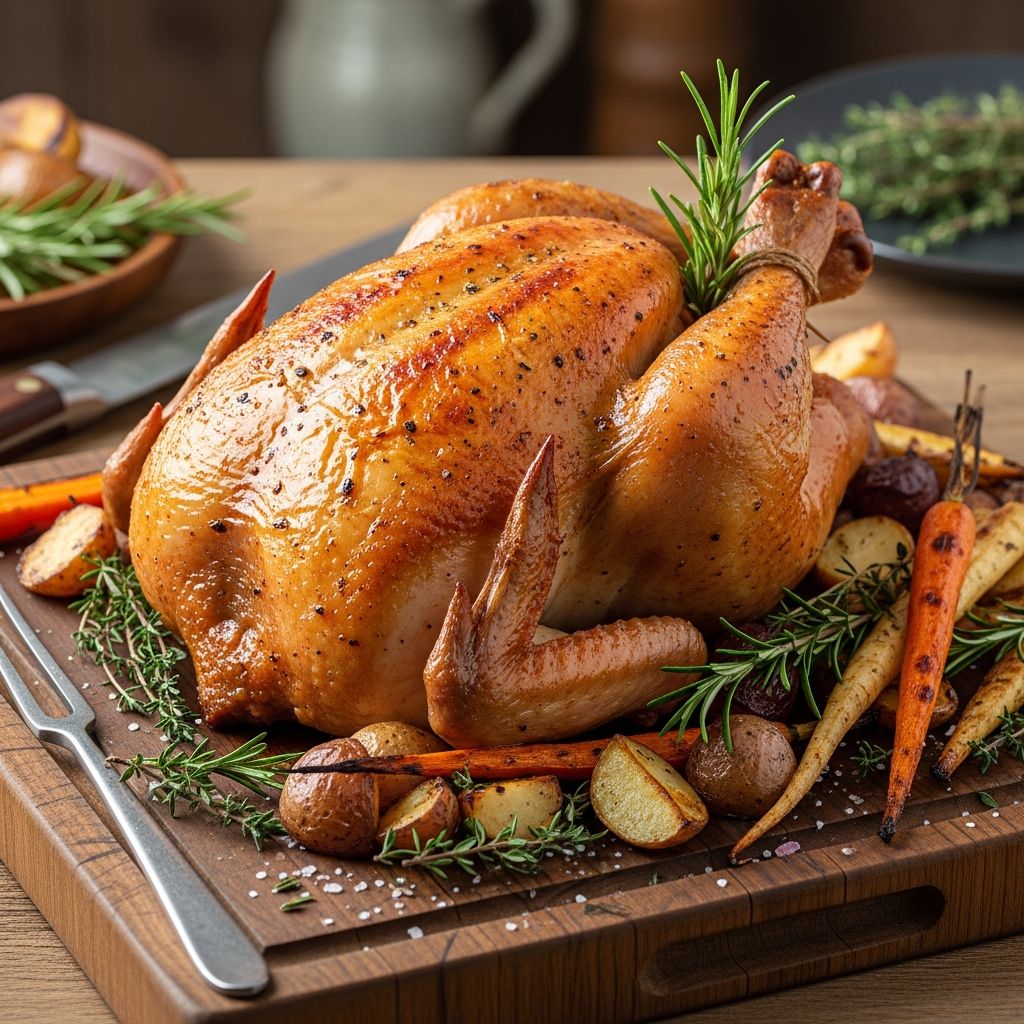
Today’s supermarket chickens aren’t your grandmother’s birds. Modern broilers, especially the
Ross 308
, can tip the scales at nearly10 pounds
—double the size of chickens from just a few decades ago. Thesemonstrously large chickens
are bred for efficiency, growing fast on commercial feed to meet demand. But bigger isn’t always better in the kitchen: they can cook unevenly, dry out easily, and overwhelm standard roasting pans. If you’re tired of tough, flavorless results or endless chicken nuggets, this guide reloads your approach. We’ll cover everything from selecting the right bird to brining, roasting, carving, and transforming leftovers into feasts. With the right techniques, these giants deliver juicy, tender meat that rivals any heritage breed.Understanding the Ross 308 Broiler: Why Chickens Got So Big
The
Ross 308
is the king of commercial broilers, a hybrid bred by Aviagen for rapid growth and high breast meat yield. Developed through selective breeding, these birds reach slaughter weight in just 6-8 weeks, compared to 12+ weeks for traditional breeds. A typical Ross 308 weighs 8-10 pounds whole, with breasts alone rivaling a small turkey. This size boom stems from consumer demand for cheap protein and efficient farming: U.S. per capita chicken consumption hit 98 pounds in 2023, per USDA data, much of it from these behemoths.Pros of these giants include affordability (often under $2/lb) and versatility for family meals. Cons? The fast growth leads to less fat marbling, so meat dries out if overcooked. Legs and thighs stay moister thanks to dark meat’s higher fat content, but breasts demand precision. Key stats:
- Average weight: 8-10 lbs (vs. 4-5 lbs in 1970s)
- Growth time: 42-56 days
- Breast yield: 25-30% of total weight
- Fat content: Lower than pasture-raised, requiring moisture-locking methods
To succeed, treat these birds like mini-turkeys: low-and-slow cooking, brining, and strategic carving.
Selecting and Prepping Your Giant Chicken
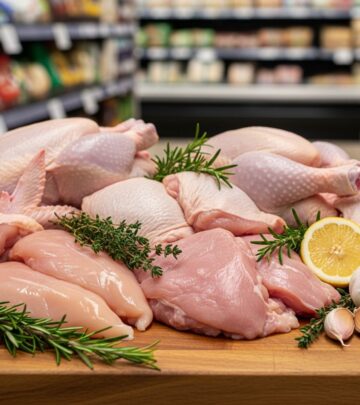
Start at the store: Choose fresh or fully thawed birds with plump breasts, firm thighs, and minimal bruising. Avoid any with off odors or sticky skin. For a 9-10 lb bird, plan 1.5-2 lbs per person—plenty for leftovers.
Essential Prep Steps
- Thaw safely: Refrigerator (24-48 hours for 10 lbs) or cold water (change every 30 min, 5-7 hours total).
- Remove giblets: Neck, heart, liver in neck cavity or bag—save for gravy.
- Pat dry: Thoroughly with paper towels for crispy skin.
- Truss loosely: Tie legs to prevent splaying; tuck wings.
Pro tip: Spatchcock (flatten) for even cooking if your oven fits—cut backbone out, press flat.
Brining: The Secret to Juicy Meat
Brining—a saltwater soak—infuses moisture and seasons deeply, countering the lean nature of Ross 308s. For a 10-lb bird:
- Basic wet brine: 1 cup kosher salt, 1/2 cup sugar, herbs (thyme, rosemary), garlic, in 1 gallon water. Soak 12-24 hours in fridge.
- Dry brine: Rub 2-3 tbsp salt per 5 lbs under skin and cavity. Rest 24 hours uncovered for dry brine effect and crispy skin.
Studies from the University of Georgia Extension confirm brining boosts juiciness by 10-15% in commercial broilers. Rinse post-brine to avoid oversalting.
Roasting Techniques for Perfect Results
Aim for 325-350°F oven. These giants need space—use a large roasting pan or two stacked racks. Internal temps: breasts 160°F, thighs 170-175°F for safety and tenderness (USDA guidelines).
| Method | Time for 10-lb Bird | Best For | Tips |
|---|---|---|---|
| Whole Roast | 2.5-3.5 hours | Classic | Start breast-down for self-basting; flip last 30 min. Tent loosely. |
| Spatchcock | 1.5-2 hours | Even cooking | High heat (425°F) finish for crisp skin. |
| Parts Only | Breasts 45-60 min; thighs 60-75 min | Control | Separate at joints post-thaw. |
Season generously: Oil, salt, pepper, garlic-herb butter under skin. Aromatics (onion, lemon, herbs) in cavity boost flavor. Baste every 30 min or use probe thermometer.
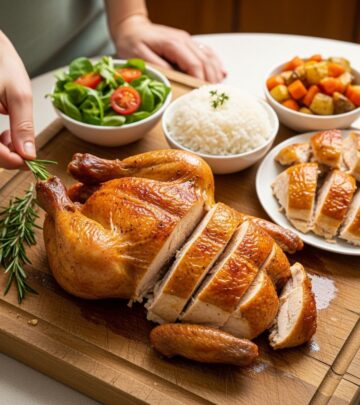
Carving the Beast: Step-by-Step Guide
Rest 20-30 min tented—juices redistribute. Use sharp knife and tongs.
- Cut off legs/thighs: Pop joints, slice through skin.
- Remove wings: Twist at joint.
- Breast fillets: Slice along breastbone, follow contours for two large halves.
- Carve: Thin slices against grain.
Yield from 10-lb bird: 6-7 lbs meat. Save carcass for stock.
Creative Recipes for Whole and Parts
Roast Chicken Perfection
Rub brined bird with olive oil, paprika, garlic. Stuff cavity. Roast as above. Serve with pan juices.
Breast Specials
- Poached breasts: Simmer in broth for salads/sandwiches—never dry.
- Grilled cutlets: Pound thin, marinate, quick grill.
Dark Meat Delights
- Confit thighs: Slow-cook in oil for shreddable texture.
- Braised legs: With wine, veggies for coq au vin.
Soup and Shred
Shred for tacos, enchiladas, or curry—freezer-friendly.
Leftovers: No Waste Meal Plan
These giants yield days of meals:
- Day 1: Roast slices with sides.
- Day 2: Chicken salad or wraps.
- Day 3: Fried rice or stir-fry.
- Day 4: Soup from carcass (simmer 4 hours).
- Freeze: Shredded meat in portions.
Bonus: Render skin for chicken fat (schmaltz) in frying or matzo balls.
Common Pitfalls and Fixes
- Dry breasts: Brine + low temp + thermometer.
- Soggy skin: Dry brine + high-heat finish.
- Uneven cook: Spatchcock or part it.
- Too big for oven: Quarter and roast separately.
Frequently Asked Questions (FAQs)
Q: How long to roast a 10-lb chicken?
A: 2.5-3.5 hours at 325°F, until breasts hit 160°F and thighs 175°F. Use a probe.
Q: Is brining necessary for large broilers?
A: Highly recommended—prevents dryness in lean Ross 308 meat.
Q: Can I fry a whole giant chicken?
A: Not safely at home due to size; fry parts instead in turkey fryer.
Q: What’s the best way to thaw safely?
A: Fridge for 24-48 hours; cold water as backup, changed hourly.
Q: Are these chickens healthy?
A: Lean protein source; opt for organic/air-chilled for better quality.
Master these techniques, and your next monstrous chicken becomes a triumph. Share your results!
References
- Chicken From Farm to Table — USDA Food Safety and Inspection Service. 2024-01-15. https://www.fsis.usda.gov/food-safety/safe-food-handling-and-preparation/poultry/chicken-farm-table
- Broiler Breeder Standards — Aviagen Group (Ross Broiler Manual). 2023-07-01. https://en.aviagen.com/assets/Tech_Center/Ross_Broiler/Ross-BroilerHandbook2018.pdf
- Effects of Brining on Poultry Quality — University of Georgia Extension Poultry Science. 2022-05-10. https://extension.uga.edu/publications/detail.html?number=B1311
- Wise Bread Reloaded: How to Prepare and Enjoy Our Modern, Monstrously Large Chickens — Wise Bread. 2015-08-20. https://www.wisebread.com/wise-bread-reloaded-how-to-prepare-and-enjoy-our-modern-monstrously-large-chickens
- Poultry Cooking Guidelines — National Chicken Council. 2024-03-01. https://www.nationalchickencouncil.org/policy/food-safety/chicken-prepared/
- Per Capita Consumption Data — USDA Economic Research Service. 2024-02-28. https://www.ers.usda.gov/data-products/chicken-and-egg-market-outlook/
Similar Articles








Read full bio of Sneha Tete