Wire Transfer or Cashier’s Check: Best for Home Closing?
Discover the safest, fastest, and most cost-effective ways to pay closing costs when buying a home with certified funds.

Securing your dream home culminates in the closing process, where buyers must deliver substantial certified funds for down payments, closing costs, and sometimes the full purchase price. Title companies and escrow agents demand reliable payment methods to safeguard all parties. The two dominant options are wire transfers and cashier’s checks, each offering distinct advantages in speed, security, and expense. Understanding their mechanics helps homebuyers select the optimal path, minimizing risks like fraud or delays.
Understanding Certified Funds in Real Estate Transactions
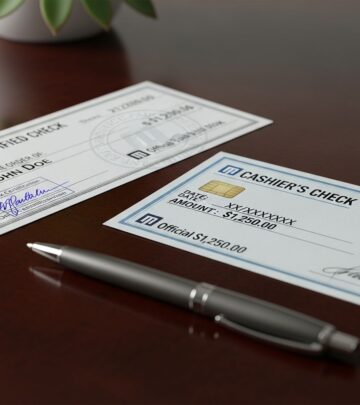
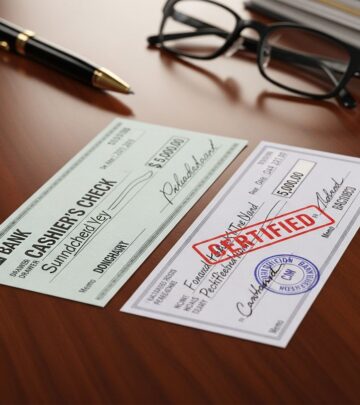
Certified funds guarantee availability, distinguishing them from personal checks that require days for clearance. In real estate, where sums often exceed tens of thousands, title companies reject cash due to theft risks and personal checks due to verification delays. Wire transfers electronically shift money directly between banks, while cashier’s checks are bank-issued documents drawn from the institution’s account, signed by a teller.
Buyers receive a closing disclosure days prior, detailing the exact amount due. This triggers preparation of payment instructions from the closing agent, including wiring details or check payee information. Timing matters: funds must settle before title transfer to avoid holding up the deal.
How Wire Transfers Facilitate Closings
Wire transfers enable rapid, direct fund movement sans intermediaries like ACH networks. Buyers get specific instructions: exact amount, sender/receiver account numbers, routing numbers, and agent contacts. Submission occurs online, by phone, or in-branch, with completion often within hours.
Initiate transfers 1-2 days pre-closing to buffer potential delays. Fees range $15-$45 domestically, potentially higher internationally, with recipients sometimes facing incoming charges. Banks impose daily limits, e.g., $25,000 from checking accounts, necessitating verification for large deals.
Advantages of Wire Transfers
- Lightning Speed: Funds arrive same-day, ideal for tight closing schedules.
- High Security: Electronic nature reduces physical handling risks; preferred for sums over $10,000.
- Virtual Compatibility: Supports remote closings without physical presence.
Drawbacks of Wire Transfers
- Elevated Costs: Sender and receiver fees accumulate quickly.
- Irreversibility: Once sent, recovery demands legal intervention.
- Fraud Vulnerability: Scammers spoof instructions; confirm via trusted channels only.
Mechanics of Cashier’s Checks for Buyers
Cashier’s checks require a bank visit or online request. Provide the amount, payee (title company), and possibly ID. The bank debits your account instantly, issuing the check from its funds. Fees hover at $10-$20, sometimes waived for premium accounts. Delivery is immediate in-person or mailed next business day.
Hand the check to the agent at closing. However, clearance takes 1-2 days or more, as the issuing bank verifies with the recipient’s institution. Some agents cap acceptance at lower thresholds due to fraud upticks.
Benefits of Cashier’s Checks
- Affordable: Lower fees make them economical for modest amounts.
- Tangible Assurance: Physical document provides visual confirmation at signing.
- Guaranteed Funds: Bank backing ensures validity.
Limitations of Cashier’s Checks
- Slower Clearance: Delays fund availability, risking closing postponements.
- Physical Risks: Loss, theft, or forgery possible; requires in-person handover.
- Amount Restrictions: Many firms reject for large sums, preferring wires.
Comparative Analysis: Key Factors Side-by-Side
Evaluating options demands weighing multiple dimensions. The table below summarizes critical differences based on industry practices.
| Factor | Wire Transfer | Cashier’s Check |
|---|---|---|
| Cost | $15-$45 (plus recipient fees) | $10-$20 (often lower) |
| Speed | Same-day (hours) | 1-2+ days clearance |
| Security | High electronic; fraud-aware | Good but forgery-prone |
| Convenience | Remote possible | In-person mostly |
| Best For | Large sums, urgent closings | Smaller amounts, cost-saving |
This comparison reveals wire transfers excel in efficiency for high-value deals, while checks suit budget-conscious buyers with smaller payments.
Security Imperatives: Combating Fraud in Closings
Real estate scams, especially wire fraud, cost billions annually. Cybercriminals hack emails to alter instructions, diverting funds. Mitigation starts with verifying details in-person or via official phone lines—never reply to emails. Use secure portals for disclosures.
Checks face forgery, with criminals altering payees or amounts. Modern fraud includes check washing, erasing ink chemically. Title firms increasingly mandate wires for reliability, accepting checks only under $500 or for deposits.
Post-closing, monitor accounts. Report anomalies immediately. Federal guidelines urge multi-factor authentication and HTTPS for communications.
Title Company Policies and Regional Variations
Policies vary: some Florida firms require wires exclusively for reliability. Others permit checks below $10,000. All-cash buyers or refinances follow similar rules. Confirm early with your agent; mismatches delay closings.
Remote online notarization (RON) surges favor wires, enabling nationwide virtual signings without mailing checks.
Practical Steps for Buyers
- Review Disclosure: Note exact amount days ahead.
- Contact Agent: Obtain and verify payment instructions.
- Prepare Funds: Ensure account balance covers plus fees.
- Execute Payment: Time appropriately; get confirmations.
- Document Everything: Retain receipts, wires for records.
Frequently Asked Questions (FAQs)
Can I use a personal check at closing?
No, clearance takes too long; only certified funds accepted.
Is a wire transfer reversible?
Rarely; banks treat as final, requiring legal action for errors.
How much are typical fees?
Wires: $15-$45; checks: $10-$20, varying by bank.
What if I lose a cashier’s check?
Request stop payment and reissue, incurring extra fees and delays.
Do all title companies accept both?
No; many prefer or require wires for large transactions.
Strategic Decision-Making for Your Closing
Opt for wires if speed and large sums prioritize, accepting higher costs for security. Choose checks for affordability on smaller payments, ensuring agent acceptance. Hybrid approaches exist, like wiring bulk and checking minor fees.
Consult your lender and agent early. Budget for fees—2-5% of down payment in closing costs total. With preparation, your closing proceeds seamlessly, unlocking homeownership.
References
- Cashier’s Check vs. Wire Transfer for Closing on a House — SmartAsset. 2023-05-15. https://smartasset.com/mortgage/cashiers-check-vs-wire-transfer
- Should I Use a Wire Transfer or Cashier’s Check for Closing? — Experian. 2024-02-20. https://www.experian.com/blogs/ask-experian/should-i-use-wire-transfer-or-cashiers-check-for-closing/
- Wire Transfer Vs. Cashier’s Check — Florida Title Closings. 2023-11-10. https://fltitleclosings.com/wire-transfer-vs-cashiers-check/
- Cashier’s Check vs. Wire Transfer: Which is Safer? — GF Title. 2024-01-08. https://www.gftitle.com/post/cashiers-check-vs-wire-transfer-which-is-safer-for-your-real-estate-closing
- Wire Transfer vs. Cashier’s Check — GoMortgage. 2023-09-12. https://gomortgage.com/wire-transfer-certified-funds/
- Paying Closing Costs: What Kind of Check Do You Need? — ReadyNest. 2023-07-22. https://www.readynest.com/homebuyer-stories/paying-closing-costs—what-kind-of-check-do-you-need
Similar Articles








Read full bio of Sneha Tete