Wire Transfer Guide: 5 Steps To Send Money Securely
Master secure, fast wire transfers: domestic and international steps, fees, safety tips, and alternatives for efficient money movement.

Wire transfers provide a rapid method for moving substantial sums of money between accounts, whether across town or overseas. Unlike slower options like checks or standard bank transfers, wires offer near-instant availability, making them ideal for urgent payments such as real estate closings, emergency aid, or business deals. This guide explores the mechanics, requirements, costs, and best practices for executing wire transfers effectively while minimizing risks and expenses.
Understanding Wire Transfers: Core Mechanics
A wire transfer involves electronic instructions sent between banks to debit funds from the sender’s account and credit the recipient’s. For domestic U.S. transfers, banks use the Fedwire or CHIPS systems; internationally, the SWIFT network facilitates communication. The sender’s bank verifies available funds, deducts the amount plus fees, and relays precise instructions—including recipient details and routing codes—to the receiving institution. Funds typically become available same-day for domestic wires, though international ones may take 1-5 business days due to intermediary banks and currency conversion.
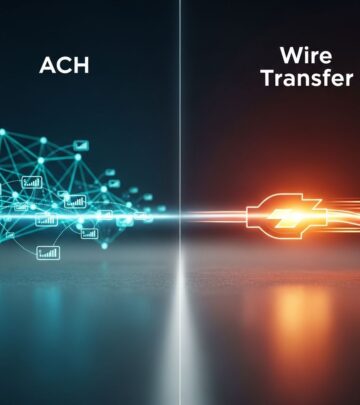
Key distinction: wires are irrevocable once processed, unlike ACH transfers which can be reversed. This finality ensures speed but demands accuracy. Banks confirm funds upfront, debiting immediately upon initiation, which protects recipients but leaves senders vulnerable to errors or fraud.
Domestic vs. International Wires: Key Differences
| Aspect | Domestic Wire | International Wire |
|---|---|---|
| Speed | Same business day | 1-5 business days |
| Networks | Fedwire/CHIPS | SWIFT + possible intermediaries |
| Codes Needed | ABA routing # | SWIFT/BIC + possible IBAN |
| Typical Fees | $15-$50 outgoing | $40-$75 + FX markup |
| Currency | USD only | USD or local, conversion fees |
Domestic wires suit quick U.S.-based needs; international ones involve extra compliance checks for anti-money laundering (AML) regulations, extending timelines.
Step-by-Step: Initiating a Wire Transfer
- Select Provider: Choose your bank, credit union, or service like Western Union. Banks offer reliability; non-banks may provide convenience via apps or agents.
- Gather Details: Compile recipient and bank info meticulously (detailed below).
- Verify Fees and Limits: Confirm costs, cutoffs (often 4-5 PM ET), and daily caps.
- Submit Request: In-branch, online, or app. Provide ID; funds debit instantly.
- Track Progress: Use reference numbers for status updates.
Online banking simplifies repeats; first-timers often visit branches for verification.
Essential Information for Every Wire
Accuracy prevents delays or returns. Standard requirements include:
- Sender: Government-issued photo ID, full name, phone/email, account/routing numbers.
- Recipient: Full legal name (matching account), physical address, phone/email.
- Bank Details: Receiving bank’s name/address, ABA routing (domestic), SWIFT/BIC (international), account/IBAN number.
- Extras: Transfer purpose (international often), amount in words/numbers, relationship to recipient.
For globals: Country-specific codes like Canada’s Institution/Transit numbers, Mexico’s CLABE, or India’s IFSC. Double-check spellings—mismatches halt processing.
Costs and Fees Breakdown
Wires aren’t cheap. Outgoing domestic: $15-$50; incoming: $10-$30. International adds $20-$50 correspondent fees plus 1-3% FX margins. Non-banks charge per transfer amount/location. Example: $1,000 domestic might cost $25 total; $1,000 to Europe, $60+ with poor rates.
- Fee Drivers: Provider, amount, destination, speed (express options extra).
- Avoid Hidden Costs: Ask about intermediary deductions; compare FX rates.
Business accounts often get fee waivers; consumers pay full.
Processing Timelines and Cutoffs
Domestic: Submit before 5 PM ET for same-day credit. After-hours/next-day. International: 1-5 days, varying by corridors (e.g., U.S.-Canada faster than U.S.-Asia). Weekends/holidays delay. Track via app or customer service using confirmation codes.
Security Essentials: Protecting Your Transfer
Wires are fraud magnets—scammers pose as vendors/relatives. Safeguards:
- Verify recipient independently (not just email/text).
- Use secure channels; never share details via unsecured apps.
- Initiate large wires in-branch with ID.
- Report errors within 60 minutes for possible recall (rare success).
- Enable bank alerts for transfers.
Federal law (Regulation E) limits liability if reported promptly, but prevention trumps recovery.
Alternatives to Traditional Wires
For cost/speed balance:
- ACH: Free-$5, 1-3 days, reversible.
- Zelle: Instant P2P, no fees (bank-linked).
- Wise/OFX: Low-fee international, mid-market rates, 1-2 days.
- PayPal/Venmo: Quick digital, fees for instant/large sums.
- Cash App: Peer transfers, crypto options.
| Method | Speed | Fee | Best For |
|---|---|---|---|
| Wire | Hours-Days | High | Urgent/large |
| ACH | 1-3 Days | Low | Bills/payroll |
| Zelle | Minutes | None | P2P US |
| Wise | Hours-Days | Low | Intl cheap |
When Wires Make Sense
Opt for wires in high-stakes scenarios: down payments, supplier payments, inheritances. Avoid for routine/small transfers—digital alternatives save money/time.
Frequently Asked Questions
Can I cancel a wire transfer?
Once sent, no—irrevocable. Contact banks immediately for possible recall; success <10%.
Are wire transfers safe?
Yes, if verified. Banks use encryption; fraud risk from social engineering.
How long for international wire?
1-5 business days; check cutoffs/SWIFT path.
Do I need a bank account to wire money?
Bank wires yes; services like Western Union accept cash.
What’s the max wire amount?
Varies: $10K-$1M daily; IRS reports >$10K.
Pro Tips for Smooth Wires
- Pre-save templates in online banking.
- Compare providers/rates via apps.
- Use for escrow/large sums only.
- Keep records: confirmations, IDs.
Mastering wires ensures reliable fund movement. Always prioritize verification for peace of mind.
References
- Wire transfer information — U.S. Bank. 2025. https://www.usbank.com/online-mobile-banking/transfer-money/wire-transfers-faq.html
- How to Send Wire Transfers in Online Banking or Mobile App — Bank of America. 2025. https://info.bankofamerica.com/en/digital-banking/wire-transfers
- The ins and outs of wire transfers — Wells Fargo. 2025. https://www.wellsfargo.com/financial-education/basic-finances/manage-money/payments/ins-outs-transfers/
- How to wire money: easy step-by-step guide — Wise. 2025. https://wise.com/us/blog/how-to-wire-money
- What Is a Wire Transfer and How Does It Work? — PNC Bank. 2025. https://www.pnc.com/insights/personal-finance/spend/what-is-a-wire-transfer.html
Similar Articles








Read full bio of Sneha Tete