Winterize Your Car: 14 Essential Steps For Safe Winter Driving
Essential steps to winterize your car and avoid costly breakdowns while saving money this season.
Winter driving brings unique challenges like freezing temperatures, snow, ice, and road salt that can strain your vehicle and lead to unexpected breakdowns. Preparing your car ahead of time not only keeps you safe on slippery roads but also prevents costly repairs that could run hundreds or thousands of dollars. By following a simple winterization checklist, you can address common issues proactively, extend your car’s life, and save money in the long run. This guide covers every essential step, from battery checks to tire maintenance, drawing on proven automotive advice.
Why Winterize Your Car?
Cold weather exacerbates wear on vehicle components. Batteries lose up to 60% of their power in freezing conditions, tires deflate faster, and fluids thicken, reducing efficiency. Neglecting these can lead to being stranded, towing fees averaging $100-$300, or major repairs like a new battery costing $150-$400. Regular winter prep ensures reliability, better fuel economy, and compliance with safety standards. According to automotive experts, a pre-winter inspection can catch 80% of potential failures before they happen. Start with a full once-over to identify issues early.
1. Standard Maintenance Inspection
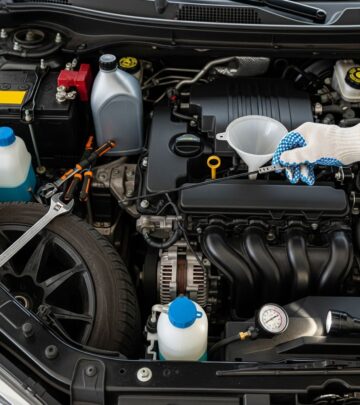
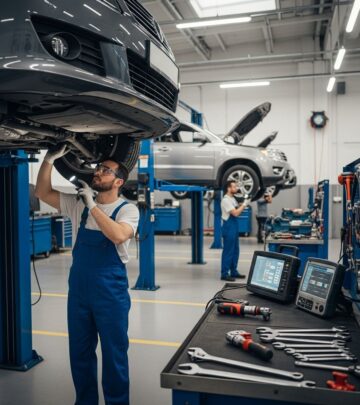
Begin with a comprehensive check of your vehicle’s overall health. Inspect brakes for pad thickness (replace if under 3mm), engine belts and hoses for cracks, exhaust for leaks, and all fluids including oil, coolant, transmission, and brake fluid. Change oil and filter every 3,000-5,000 miles, especially before winter as cold thickens oil and hampers circulation. Low coolant can cause overheating even in cold weather, while dirty filters reduce efficiency. Schedule a professional tune-up if mileage exceeds 5,000 since last service; this foundational step prevents cascading failures.
- Brake inspection: Listen for squealing; test stopping distance on dry roads.
- Fluid levels: Top off with manufacturer-recommended types.
- Belts and hoses: Squeeze hoses for sponginess; replace cracked belts immediately.
2. Check Your Car Battery
Your battery works hardest in winter, requiring extra cranking amps to start a cold engine. Cold reduces capacity by 1% per degree below 32°F, leading to no-starts. Perform a load test at an auto shop—free at many parts stores—or use a multimeter (12.6V fully charged). Look for corrosion on terminals (clean with baking soda solution) and cracked cables. Batteries over 3 years old fail most often; replace proactively to avoid $200+ emergencies. Synthetic oils help by reducing startup strain.
Pro Tip: Park in a garage overnight to maintain warmer temps and extend battery life.
3. Replace Your Windshield Wipers & Fill Wiper Fluid
Stiff wipers and frozen fluid blind drivers during the first storm. Rubber blades harden below 32°F; upgrade to winter blades with rubber boots to prevent ice buildup. Use de-icing washer fluid rated to -20°F or lower—regular fluid freezes solid. Fill to max and keep extras in trunk. Test by spraying in cold weather; streaks mean replace. Also, stock an ice scraper and snow brush. This simple swap, costing $20-$50, ensures clear visibility critical for safety.
4. Test Heater and Defroster
A non-working heater or defroster is dangerous in fogged or iced windows. Run the system full blast: check blower speeds, heat output (should warm in 2-3 minutes), and defroster (clears windshield evenly). Weak airflow signals a clogged cabin air filter—replace for $20 to improve defrosting and air quality. Odd smells indicate blower motor issues; have serviced. In extreme cold, this keeps windows clear and cab warm.
5. Inspect Tires (and Consider Snow Tires)
Tires are your lifeline on snow and ice. Check tread depth with the penny test: if Lincoln’s head shows, replace (legal minimum 2/32 inch). Inspect sidewalls for cuts, uneven wear, or cupping. Cold drops pressure 1 PSI per 10°F decline—check monthly cold (30-35 PSI per manual). Rotate tires for even wear. For snowy areas, install all-four snow tires: softer rubber and sipes grip 50% better than all-seasons. Cost: $600-$1,000 set, but pays off in safety and fewer accidents.
| Tire Type | Best For | Winter Performance |
|---|---|---|
| All-Season | Mild winters | Adequate on light snow |
| Snow Tires | Heavy snow/ice | Excellent traction, shorter stops |
| Studs | Ice-heavy roads | Superior ice grip (where legal) |
6. Check Tire Pressure Regularly
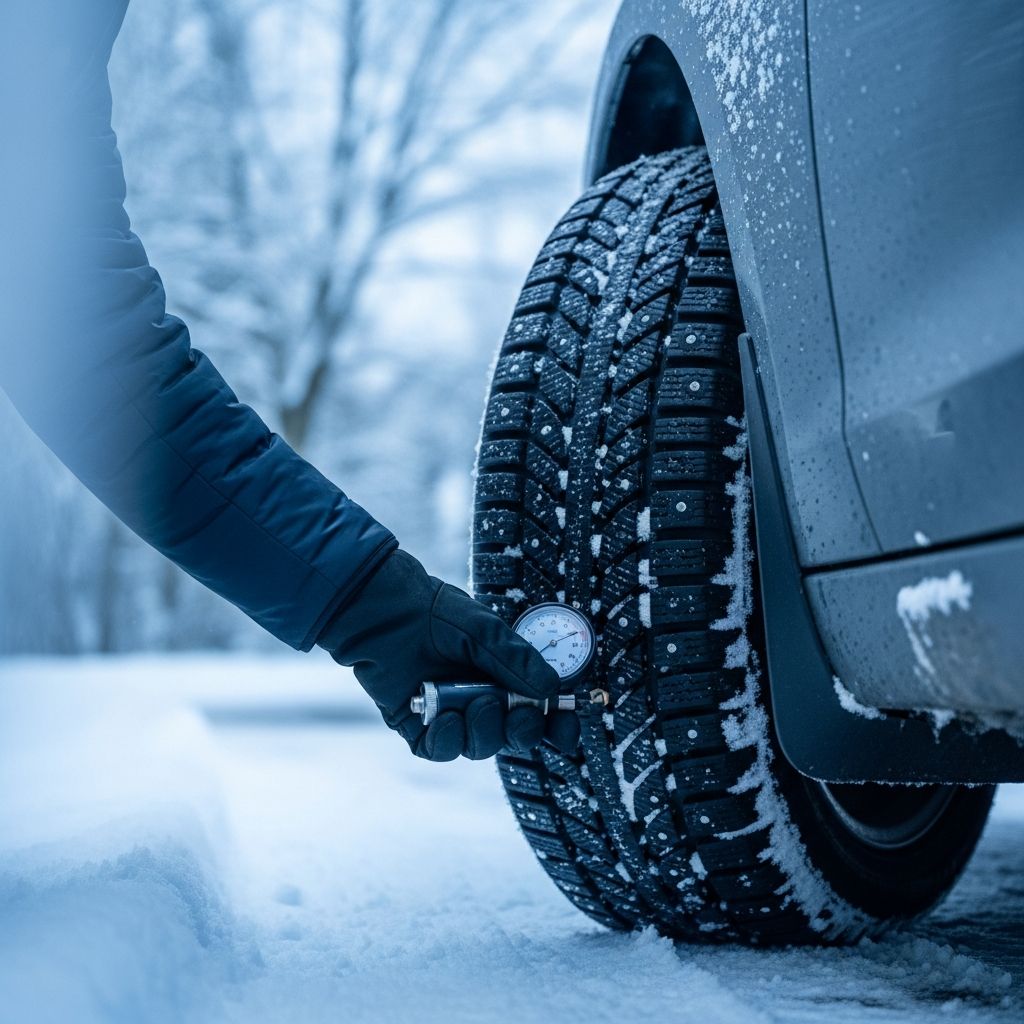
Underinflated tires increase rolling resistance, dropping MPG by 3% per 5 PSI low, and risk blowouts. Use a digital gauge on cold tires; inflate to door jamb specs. Monitor weekly in winter. Proper pressure improves handling, extends tread life 10,000+ miles, and saves fuel costs.
7. Change Your Oil
Winter demands fresh, winter-grade oil (e.g., 5W-30 synthetic flows better cold). Thick oil starves the engine at startup, causing wear. Check dipstick; change if black or low. Synthetics handle cold superiorly and last longer. Consult manual for viscosity.
8. Check Belts and Hoses
Cold brittles rubber: inspect for cracks, frays, glazing on belts; leaks, bulges on hoses. Belts drive alternator/water pump; failed ones overheat or kill battery. Hoses carry coolant; spongy ones burst. Replace preemptively—cheap DIY or $100 shop job.
9. Inspect Brakes
Winter stops demand peak braking. Check pads (replace <4mm), rotors for grooves, calipers for sticking. Test: no pulling, firm pedal. Ignoring leads to extended stops on ice.
10. Check Lights and Visibility
Shorter days mean more night driving. Test headlights, taillights, brakes, signals, flashers. Clean lenses (oxidation cuts 75% light). Replace burnt bulbs ($5-$20 each).
11. Check Coolant/Antifreeze Levels
Antifreeze prevents freezing/cracking blocks. Test freeze point (-35°F ideal); top with 50/50 mix. Low levels cause overheating.
12. Clean Headlights and Protect Paint
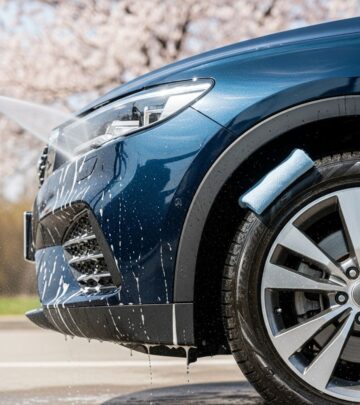
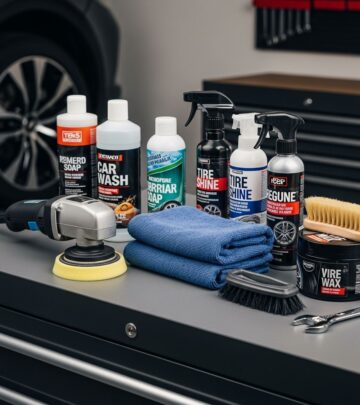
Foggy headlights reduce visibility; clean with polish. Wax paint against salt corrosion; wash post-storm, undercarriage rinse. Park covered.
13. Steering, Suspension, and Alignment
Potholes worsen in freeze-thaw; inspect shocks, struts, ball joints for leaks/wear. Align to prevent uneven tire wear.
14. Build a Winter Emergency Kit
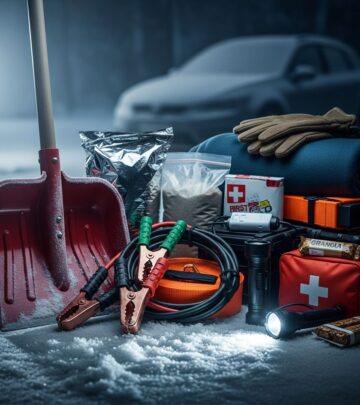
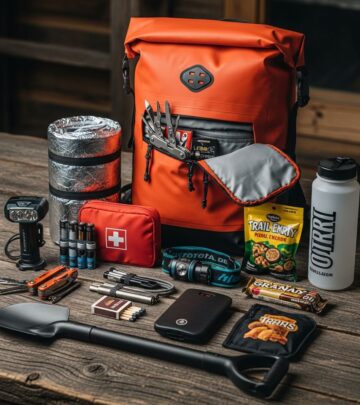
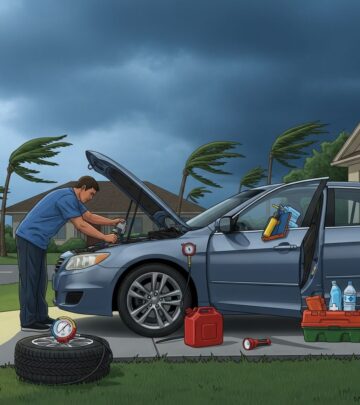
Be prepared: blanket, food/water, flashlight, flares, shovel, traction mats, jumper cables, first-aid. AAA tows average 50 miles free for members.
Cost-Saving Tips
DIY most checks; shop inspections $50-$100. Bulk buy fluids/wipers. Join AAA ($64/year) for tows. Preventive maintenance saves 2-3x repair costs.
Frequently Asked Questions (FAQs)
Q: How often should I check tire pressure in winter?
A: Weekly, as cold air causes 1 PSI drop per 10°F. Always check when cold.
Q: Do I really need snow tires?
A: Yes, in heavy snow areas—they shorten stopping by 30-50% vs. all-seasons.
Q: What’s the best wiper fluid for winter?
A: De-icing type good to -20°F or lower; avoids freezing.
Q: How do I test my battery at home?
A: Multimeter should read 12.6V; load test professionally for accuracy.
Q: Can I use regular oil in winter?
A: Switch to synthetic 5W for better cold flow; check manual.
References
- 10 Step Checklist for Preparing Your Car for Winter — Pellmans Auto. Accessed 2026. https://www.pellmansauto.com/10-step-checklist-for-preparing-your-car-for-winter
- Car Winterization Checklist — National Weather Service. Accessed 2026. https://www.weather.gov/media/dmx/Preparedness/CarWinterizationChecklist.pdf
- Winter Check-Up List — DriversEd.com. Accessed 2026. https://driversed.com/trending/winter-check-up-list
- Winter Car Care Checklist — AAA Exchange. 2013-10. https://exchange.aaa.com/wp-content/uploads/2013/10/Winter-Car-Care-Checklist1.pdf
- Winter Car Maintenance Tips and Checklist — United Nissan Imperial. Accessed 2026. https://unitednissanimperial.com/blog/winter-car-maintenance-tips-and-checklist
- Winter Car Maintenance Checklist — Grubbs Acura. Accessed 2026. https://www.grubbsacura.com/winter-maintenance.html
Similar Articles








Read full bio of Sneha Tete