Winter Emergency Car Kit: Checklist To Stay Safe And Save
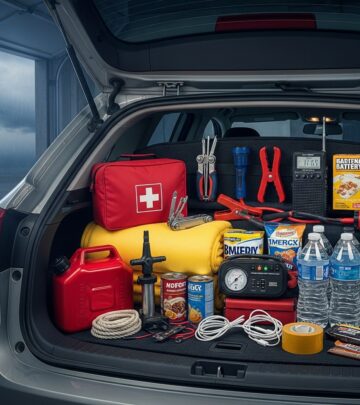
Stay safe and save on costly winter breakdowns with this essential guide to building your winter emergency car kit.
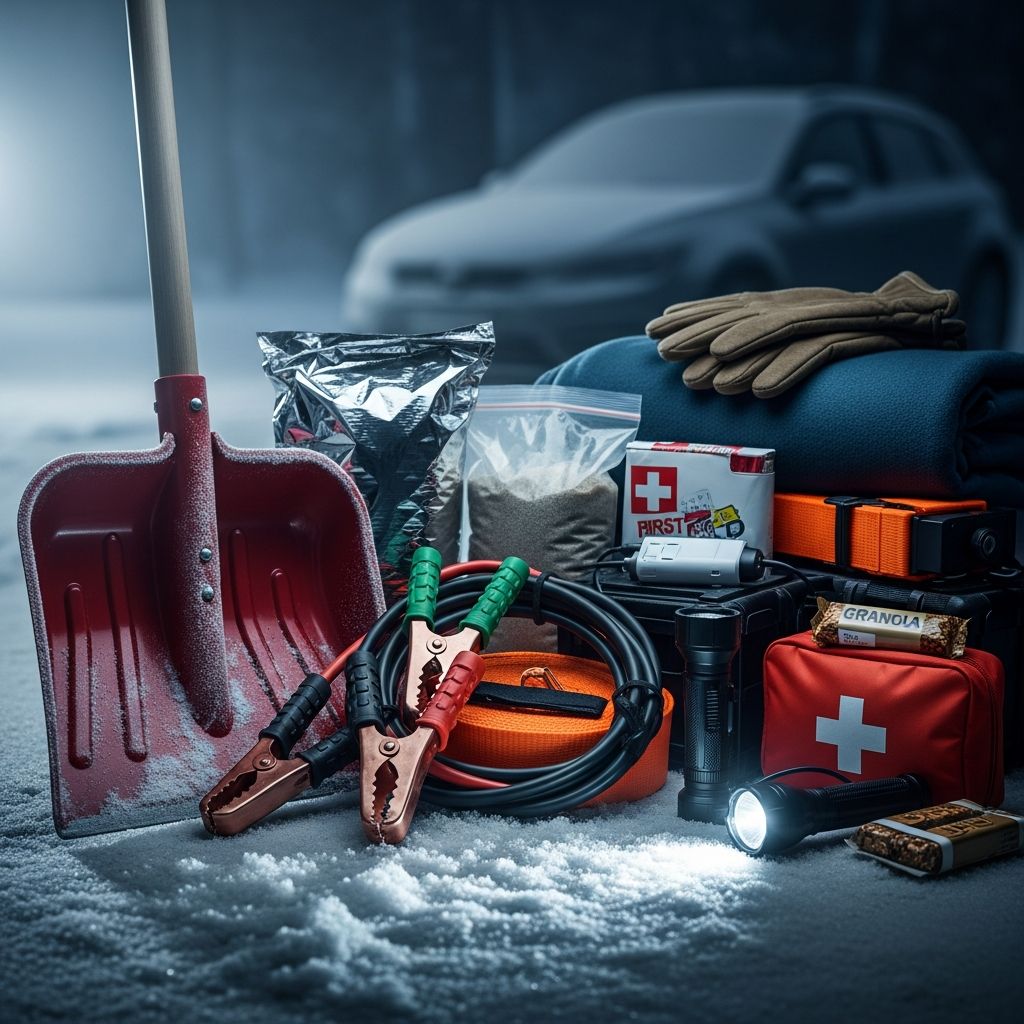
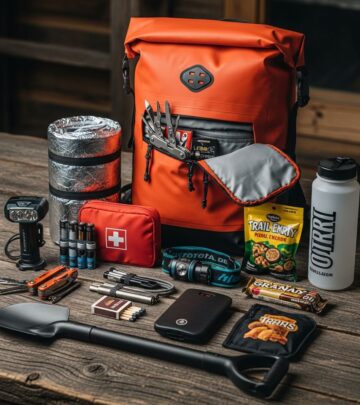
Winter driving brings unique challenges like snow, ice, and extreme cold that can strand motorists anywhere. A well-stocked winter emergency car kit provides the tools and supplies needed to stay warm, signal for help, and get back on the road—or wait safely for assistance. According to the Colorado Department of Transportation, preparing your vehicle with essentials like a shovel, flares, and extra clothing can prevent life-threatening situations during blizzards or breakdowns. Building your own kit is affordable, often costing under $100, and avoids expensive towing fees that average $150–$300 per incident.
This guide covers everything from clothing and blankets to traction aids and first-aid supplies, drawing from official recommendations by state DOTs and weather services. Customize your kit based on your region’s climate, but always prioritize high-credibility items for reliability.
Why You Need a Winter Emergency Car Kit
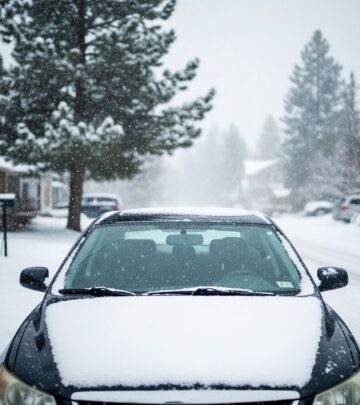
Freezing temperatures drain batteries, reduce tire traction, and make simple breakdowns dangerous. The National Weather Service emphasizes that a car kit can sustain you for 72 hours if stranded. In snowy states like Colorado, CDOT reports thousands of winter crashes annually, many preventable with basic preparedness. A kit not only saves lives but money—avoiding roadside assistance calls or medical bills from hypothermia.
- Safety first: Visibility tools like flares prevent rear-end collisions.
- Comfort in cold: Insulation retains body heat, critical below 32°F.
- Self-reliance: Tools fix minor issues without waiting hours for help.
Warmth and Clothing Essentials
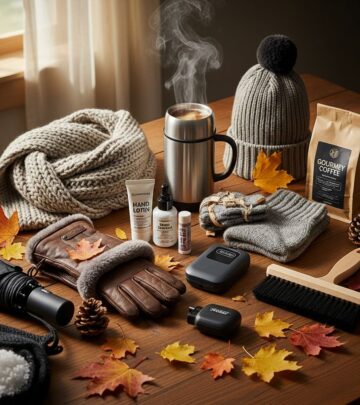
Hypothermia sets in quickly without proper layers. Stock items that trap heat and wick moisture, as recommended by Clear Roads and Tires Plus.
- Insulated coat or parka: Waterproof, rated for sub-zero temps. Layer over regular clothes for maximum warmth.
- Extra gloves or mittens: Waterproof and insulated; Pellman’s checklist stresses extras to replace wet ones.
- Hat or beanie: Knit or fleece to prevent 40% heat loss from the head.
- Socks and sturdy boots: Wool socks and waterproof boots keep feet dry; essential if wading through snow.
- Extra clothing layers: Sweater, pants, thermal underwear for changing if soaked.
Pro tip: Use a duffel bag to organize clothing separately for quick access.
Blankets and Sleeping Gear
Thermal blankets are compact powerhouses. The Weather Service PDF lists blankets/sleeping bags as top items for retaining heat.
- Emergency thermal blankets: Mylar reflects 90% body heat; pack 2–4 for space efficiency.
- Wool or fleece blankets: Bulkier but warmer for long waits; CDOT suggests one per occupant.
- Sleeping bag: Rated to 0°F or lower for overnight strandings.
| Item | Why It Matters | Source Rec. |
|---|---|---|
| Thermal Blanket | Lightweight, moisture-resistant | |
| Wool Blanket | High warmth-to-weight ratio | |
| Sleeping Bag | Full-body protection |
Power and Communication Tools
Dead phones mean no calls for help. Keep batteries fresh and include alternatives.
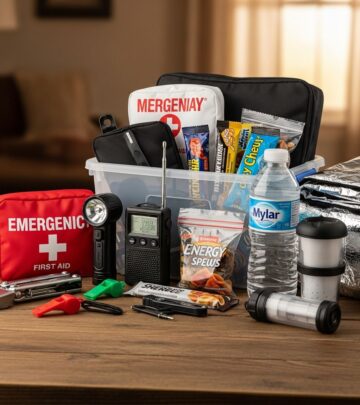
- Flashlight with extra batteries: LED for long life; crank-powered avoids battery failure.
- Cell phone charger: Portable power bank or car adapter; essential for GPS and emergency calls.
- Battery-powered radio: NOAA weather updates during storms.
Visibility and Signaling Devices
Alert others to your position. Flares and triangles are standard in all checklists.
- Road flares: Burn bright for miles; 3–6 pack.
- Reflective triangles or cones: Stable in wind; face traffic.
- Whistle: Low-energy signaling if shouting fails.
- Bright cloth or flag: Tie to antenna for visibility.
Traction and Snow Removal Tools
Get unstuck from drifts. Sand or kitty litter provides grip without chains.
- Sand, gravel, or kitty litter: 5–10 lbs in a bucket for wheel traction.
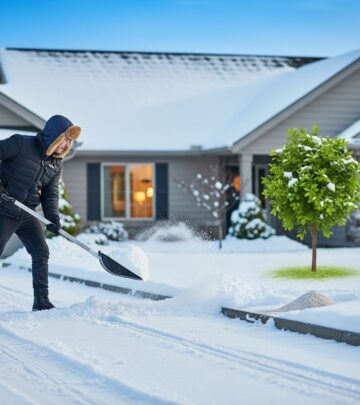
- Small shovel: Collapsible for digging out tires.
- Ice scraper and brush: Clear windows fast; extendable for roofs.
- Tire chains or Auto Socks: For severe ice; check local laws.
Vehicle Maintenance and Tools
Handle common winter failures like dead batteries.
- Jumper cables: 10–20 gauge, 12–16 feet long.
- Basic tool kit: Screwdrivers, pliers, wrenches, multi-tool.
- Duct tape and rope/tow strap: Temporary fixes.
- Spare fuses and bulbs: For electrical issues.
First Aid and Health Supplies
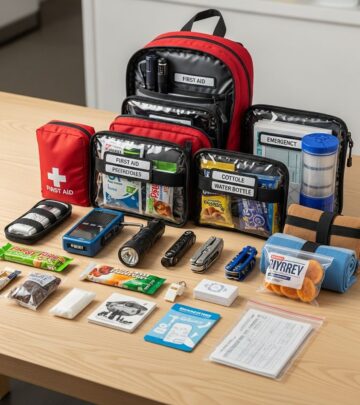
Treat injuries promptly. Assemble or buy a kit with these.
- Adhesive bandages, gauze, wraps.
- Antibacterial ointment, pain relievers.
- Tweezers, scissors, medications.
- Hand sanitizer and wipes.
Check expiration dates bi-annually.
Food, Water, and Comfort Items
Sustain energy without spoilage.
- Non-perishable snacks: Energy bars, nuts, granola (3-day supply).
- Water: 1 gallon per person in plastic-free container; melt snow if needed.
- Hand warmers: Chemical packets for instant heat.
- Entertainment: Cards, book to maintain morale.
Pre-Trip Vehicle Checks
Prevention beats cure. CDOT’s automotive checklist ensures reliability.
- Windshield wiper fluid and blades.
- Antifreeze levels.
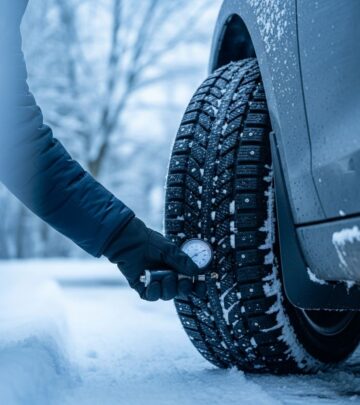
- Tire tread (min 3/16 inch).
- Battery test; full fuel tank.
- Brakes, lights, heater.
How to Build and Maintain Your Kit
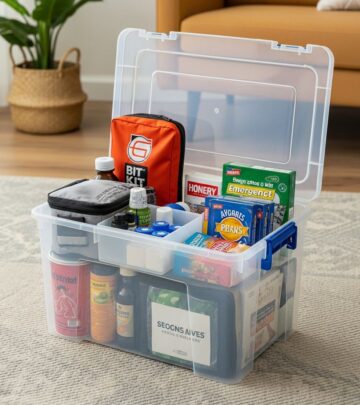
Store in a waterproof bin in the trunk. Rotate food/water every 6 months. Cost breakdown:
| Category | Est. Cost | Must-Haves |
|---|---|---|
| Warmth/Clothing | $30–50 | Coat, blankets |
| Tools/Traction | $40–60 | Shovel, cables |
| Food/Water | $10–20 | Bars, gallon |
Total under $150. Test items seasonally.
Frequently Asked Questions (FAQs)
Q: How often should I check my winter car kit?
A: Every 3–6 months; replace expired food/meds and test batteries. Official sources like CDOT recommend pre-season reviews.
Q: Can I use regular blankets instead of thermal ones?
A: Yes, but thermal are more efficient and compact for emergencies.
Q: What’s the minimum kit for mild winters?
A: Flashlight, flares, blanket, water, snacks, and scraper suffice for light snow.
Q: Do I need tire chains?
A: Only for steep/icy roads; kitty litter works for most traction needs.
Q: How do I store water without freezing?
A: Use a metal container or insulate; add minimal antifreeze if desperate, but prefer melting snow.
References
- Winter Car Emergency Checklist — Pellman’s Automotive. Accessed 2026. https://www.pellmansauto.com/winter-car-emergency-checklist
- Winter Driving: Emergency Kit Checklist — Clear Roads. Accessed 2026. https://www.clearroads.org/winter-driving-emergency-kit-checklist/
- 21 Things You Need for a Winter Car Emergency Kit — Tires Plus. Accessed 2026. https://www.tiresplus.com/blog/driving/winter-car-emergency-kit-checklist/
- Winter Driving Preparedness — Colorado Department of Transportation (CDOT). Accessed 2026. https://www.codot.gov/travel/winter-driving/winter-preparedness
- Car Winter Survival Kit Checklist — National Weather Service. Accessed 2026. https://www.weather.gov/media/dmx/Preparedness/CarWinterSurvivalKitChecklist.pdf
- Winter Weather Supplies for Your Car — DC Government Snow Team. Accessed 2026. https://snow.dc.gov/sites/default/files/dc/sites/snow/publication/attachments/Winter%20Weather%20Supplies%20for%20Your%20Car.pdf
Similar Articles








Read full bio of medha deb