Will vs Trust: Key Differences and Which You Need
Understand the critical differences between wills and trusts to make informed estate planning decisions for your family's future.

Will vs. Trust: Understanding the Fundamental Differences
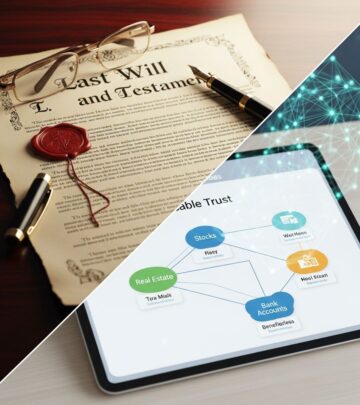
When planning your estate, two of the most important legal documents to consider are a will and a trust. While both serve the purpose of directing how your assets will be distributed, they operate in fundamentally different ways. Understanding the distinctions between these two estate planning tools is essential for making informed decisions about your financial future and protecting your family’s interests.
A will is a legal document that specifies how you want your property and assets to be distributed after your death. It also allows you to name a guardian for your minor children and designate an executor to carry out your wishes. A trust, on the other hand, is a legal arrangement where assets are managed by a trustee on behalf of beneficiaries, and it can take effect during your lifetime as well as after death. The choice between these two documents—or whether to use both—depends on your individual circumstances, family situation, and financial goals.
What is a Will?
A will is a foundational estate planning document that takes effect only after you pass away. It serves as your final instructions for distributing your property and managing other important matters related to your estate. In your will, you can specify who receives which assets, name an executor to manage your estate, and most importantly, name a guardian for any minor children.
Wills are relatively straightforward documents that are easy to understand and execute. For individuals with uncomplicated estates and simple asset distribution plans—such as dividing assets equally among children—a will often provides a sufficient estate planning solution. The simplicity of wills makes them particularly appealing for those seeking straightforward solutions without unnecessary complexity.
Key Characteristics of a Will
- Effective timing: A will takes effect only upon your death
- Guardianship provisions: Allows you to name guardians for minor children
- Executor appointment: Designates someone to manage your estate
- Flexibility: Can be easily updated or modified throughout your lifetime
- Asset coverage: Covers property held solely in your name at death
One of the most valuable features of a will is the ability to appoint guardians for minor children. This is an essential function that a trust alone cannot provide. For parents with young families, the ability to explicitly name trusted individuals to care for their children after death is often a critical consideration in their estate planning.
What is a Trust?
A trust is a more complex legal arrangement where assets are managed by a trustee on behalf of beneficiaries. Unlike a will, which takes effect only after death, a trust typically takes effect immediately upon signing and funding—transferring assets into the trust during your lifetime. This fundamental difference in timing creates significant advantages for ongoing asset management and control.
There are several types of trusts, each serving different purposes in estate planning. A revocable living trust is the most common type used in personal estate planning, as it allows you to maintain control of your assets during your lifetime while providing a mechanism for management and distribution after death. Other types include irrevocable trusts, which are typically established for long-term tax planning and asset protection, and testamentary trusts, which are established within a will and come into effect only after the creator’s death.
Key Characteristics of a Trust
- Immediate effectiveness: A trust takes effect as soon as assets are transferred to it
- Ongoing management: Assets are managed by a trustee throughout the creator’s life and after death
- Incapacity planning: Ensures continuity if you become incapacitated without court intervention
- Detailed control: Allows specific conditions on when and how beneficiaries receive assets
- Asset-specific: Covers only property that has been transferred to the trust
Trusts provide incapacity management by allowing a successor trustee to step in seamlessly if you become mentally or physically unable to make your own financial decisions. This eliminates the need for court intervention and ensures smooth asset management during difficult periods.
Critical Differences Between Wills and Trusts
Timing and Effectiveness
The most fundamental difference between wills and trusts is when they take effect. Wills become effective only after your death, while trusts take effect immediately upon signing and funding. This timing distinction has profound implications for how you can use these documents. A will is purely a post-death planning tool, whereas a trust can actively manage your affairs during your lifetime, making it particularly valuable if you become incapacitated or wish to begin transferring wealth before death.
Probate Process
Probate is the court-supervised legal process of validating a will and distributing the estate after death. This is one of the most significant differences between wills and trusts. Assets covered by a will must generally go through probate, which can be time-consuming, expensive, and delays distribution to beneficiaries. In contrast, assets properly placed in a trust bypass probate entirely, allowing for faster distribution and reduced administrative costs.
Probate can take several months to several years depending on the complexity of the estate and local court procedures. During this time, beneficiaries may wait an extended period to receive their inheritance, and a portion of the estate may be consumed by probate fees and legal costs. By using a trust, you can avoid these delays and expenses, ensuring your beneficiaries receive their inheritance more quickly.
Privacy Considerations
Privacy is another major distinction between these two documents. Wills become public records during the probate process, meaning anyone can access information about your assets, debts, and beneficiaries. This public exposure of personal financial information can be problematic for those who value privacy or have sensitive family situations. Trusts, by contrast, remain private documents with no public disclosure of assets or beneficiaries. This privacy difference can be particularly important for high-net-worth individuals, blended families, or those concerned about public scrutiny of their financial affairs.
Control Over Asset Distribution
Wills typically distribute assets outright to beneficiaries once they reach adulthood, offering limited control over how beneficiaries manage their inheritance after receiving it. Trusts, however, provide significantly more flexibility and control. You can establish detailed conditions and timelines for when and how beneficiaries receive their inheritance, such as requiring they reach a certain age, complete their education, or meet other milestones before receiving significant amounts. This level of control can help ensure financial maturity and responsible management of inherited assets.
| Feature | Will | Trust |
|---|---|---|
| Takes Effect | Upon death | Upon signing and funding |
| Probate Required | Yes, generally required | No, assets avoid probate |
| Privacy | Public record during probate | Private, no public disclosure |
| Guardian Appointment | Yes, for minor children | No direct appointment capability |
| Incapacity Planning | Limited capability | Excellent capability |
| Asset Distribution Control | Limited after distribution | Detailed conditions possible |
| Initial Cost | Low | Higher upfront |
| Maintenance | Update every 3-5 years | Update as needed when assets acquired |
When to Choose a Will
A will is the appropriate choice for certain situations and family circumstances. For families with straightforward asset distribution needs and limited estates, a simple will provides an efficient and cost-effective solution. Wills are particularly valuable when you need to name guardians for minor children—this capability is one of the will’s most important functions and cannot be replicated by a trust alone.
Those working within tight budgets may find that a simple will is the most practical starting point for estate planning. The initial costs of creating a will are significantly lower than establishing a trust, making it accessible for those with limited resources. Additionally, if your circumstances are unlikely to change dramatically and your estate is relatively simple, a will may provide all the planning you need.
When to Choose a Trust
A trust becomes increasingly valuable as your circumstances become more complex or as your wealth grows. If you have significant assets, a blended family with children from multiple relationships, or concerns about privacy, a trust should be strongly considered. Trusts are also ideal if you want to maintain detailed control over how your beneficiaries use their inheritance, such as providing education funding or distributing assets based on age milestones.
Those with special needs beneficiaries should particularly consider establishing a special needs trust, which ensures that a beneficiary with disabilities receives assets without losing government benefits. Similarly, if you wish to plan for potential disability or incapacity, a trust provides superior management options compared to a will alone.
The Combined Approach: Will and Trust Together
Often, the most comprehensive estate plan combines both a will and a trust, specifically using a revocable living trust paired with a pour-over will. This complementary approach provides multiple benefits:
A revocable living trust manages most major assets, such as homes, investment accounts, and other valuable property, allowing them to avoid probate, maintain privacy, and manage detailed inheritance conditions. Meanwhile, a pour-over will acts as a safety net, catching any assets not placed into the trust by the time of death and transferring—or “pouring over”—these assets into the trust to ensure they are still distributed according to your wishes.
This combined strategy ensures comprehensive coverage. Your major assets avoid probate through the trust, your minor children have guardians named in your will, and any assets accidentally left out of the trust during life are still properly distributed. However, it is important to note that assets flowing through the pour-over will still trigger probate for those specific assets, so proper funding of the revocable trust is essential to maximize probate avoidance.
Considering Your Specific Situation
Family Situation
Your family structure significantly impacts whether a will or trust is most appropriate. Families with minor children should always have at least a simple will to name guardians. Blended families or those with complicated family relationships may particularly benefit from a trust to prevent disputes and clearly control inheritance distribution. If you have children from multiple relationships, a trust allows you to specify exactly how assets are distributed to each family unit.
Privacy Concerns
The privacy differences between a will and a trust are substantial. Anyone concerned about privacy—whether due to sensitive family situations, business considerations, or simple preference for financial discretion—should strongly consider a trust. The public nature of probated wills can expose family rifts, financial situations, and the identities of your heirs and creditors to anyone who cares to look.
Budget Considerations
Wills have low initial costs, making them suitable for those with limited budgets or straightforward estates. Trusts require higher upfront costs for drafting and funding, but can save families substantial money in the long run by avoiding probate expenses. If your client is working within a tight budget, a simple will may suffice for now; however, if significant probate fees might occur later, investing in a trust upfront could ultimately save beneficiaries considerable money.
Frequently Asked Questions
Q: What happens if I die without a will or trust?
A: If you die without either document, your estate will be distributed according to your state’s intestacy laws, meaning the court decides how assets are divided. This process typically takes longer, costs more, and may not reflect your wishes. Additionally, the state may appoint a guardian for your minor children rather than your chosen individual.
Q: Can I change my will or trust after creating it?
A: Yes, both documents can be modified. Wills can be updated through amendments called codicils or by creating an entirely new will. Revocable living trusts can be modified or amended at any time during your lifetime. It is recommended to update your will every three to five years or whenever major life events occur, such as marriage, divorce, births, or significant changes in your financial situation.
Q: How do I fund a trust?
A: To fund a trust, you must transfer assets to the trust by changing the ownership titles and designations. This includes retitling real estate, updating bank account registrations, changing investment account ownership, and updating insurance beneficiary designations. Proper funding is essential; assets not transferred to the trust will not receive the benefits of trust planning.
Q: Can a trust name guardians for minor children?
A: While a trust can include provisions for managing assets for minor children, it cannot directly name guardians. You must use a will to name a guardian for minor children. Many comprehensive estate plans use both documents to ensure guardianship decisions are properly documented.
Q: What is a revocable living trust?
A: A revocable living trust is a trust created during your lifetime that you can modify or revoke at any time. It becomes effective immediately upon funding and allows you to manage your assets while living and provides instructions for distribution after death. Upon your death, it becomes irrevocable and continues to manage and distribute assets according to your specifications.
References
- Trust vs. Will: What’s the Difference, and Which Do Your Clients Need? — JustVanilla. 2024. https://www.justvanilla.com/blog/trust-vs-will
- Will vs Trust: The Main Differences — The Weeks Law Firm. 2024. https://weekslawfirm.com/will-vs-trust-the-main-differences/
- Will vs. Trust: Which Do I Need? — Navy Federal Credit Union. 2024. https://www.navyfederal.org/makingcents/investing/will-vs-trust-differences.html
- Living Trust vs. Will: Key Differences Explained — FreeWill. 2024. https://www.freewill.com/learn/trust-vs-will
- Revocable Living Trust vs. Will — Charles Schwab. 2024. https://www.schwab.com/learn/story/revocable-living-trust-vs-will
- Living Trust vs. Will: What’s the Difference? — MetLife. 2024. https://www.metlife.com/stories/legal/living-trust-vs-will/
- Wills and Trusts: Key Differences and How to Set Them Up — Guardian Life. 2024. https://www.guardianlife.com/financial-strategies/estate/wills-and-trusts
Similar Articles








Read full bio of Sneha Tete