Why Your Credit Score Drops: 5 Causes And Recovery Steps
Discover the top reasons your credit score might suddenly decline and get proven strategies to rebuild it fast and effectively.
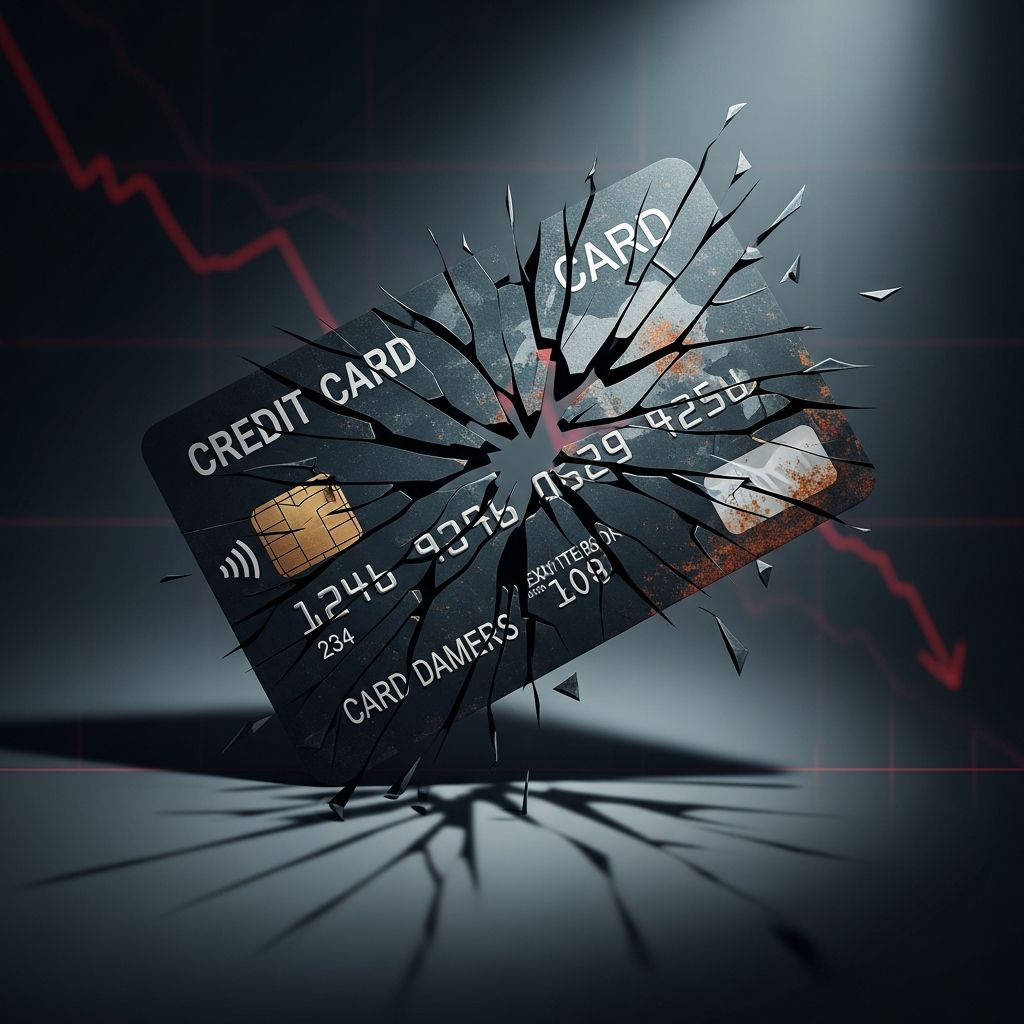
Your credit score is a vital financial benchmark that influences loan approvals, interest rates, and even rental applications. A sudden drop can disrupt your plans, but understanding the underlying causes empowers you to take control. This guide explores the primary reasons for score declines, backed by data from scoring models like FICO, and provides a step-by-step recovery plan.
Understanding the Building Blocks of Your Credit Score
Credit scores, ranging from 300 to 850, are calculated using data from your credit reports provided by bureaus like Equifax, Experian, and TransUnion. FICO, the most widely used model, weights five key categories differently. Knowing these helps pinpoint why your score fell.
- Payment History (35%): Tracks on-time payments across all accounts.
- Amounts Owed (30%): Measures debt relative to credit limits, known as utilization.
- Length of Credit History (15%): Evaluates how long accounts have been open.
- New Credit (10%): Considers recent applications and inquiries.
- Credit Mix (10%): Assesses variety in account types like revolving and installment.
These weights can shift slightly based on your profile, but payment history and utilization dominate, accounting for 65% of your score.
Top Culprits Behind Credit Score Declines
Scores don’t drop randomly; specific actions or events trigger changes. Here’s a breakdown of the most frequent offenders.
1. Missed or Late Payments
The leading cause of drops, late payments signal unreliability to lenders. A single payment 30 days overdue can slash 100-150 points, lingering on reports up to seven years. Even one incident outweighs positive history due to its 35% weight.
| Days Late | Potential Score Impact | Reporting Duration |
|---|---|---|
| 30 days | 60-110 points | Up to 7 years |
| 60 days | 100-150 points | Up to 7 years |
| 90+ days | 150+ points | Up to 7 years |
Automate payments or set reminders to avoid this pitfall.
2. Surging Credit Utilization
Utilization above 30% of available credit hurts scores, as it suggests over-reliance on debt. Maxing cards can drop scores by 50-100 points overnight. FICO prioritizes keeping balances low relative to limits.
Pro Tip: Pay down balances before statements close to report lower usage.
3. New Credit Inquiries and Accounts
Hard inquiries from applications signal risk, potentially lowering scores by 5-10 points each, lasting two years. Multiple in a short period amplify damage. Opening new accounts shortens average history age, another 15% factor.
4. Closing Old Accounts
Shutting long-standing accounts reduces history length and available credit, spiking utilization. This dual hit affects 25-45% of your score.
5. Negative Marks Like Collections or Defaults
Collections, charge-offs, foreclosures, or bankruptcies devastate scores. A collection can subtract 100+ points and persist for years. Public records like liens add further harm.
How Long Do Score Drops Last?
Recovery timelines vary by cause:
- Late payments: 1-2 years for partial recovery, full in 7 years.
- High utilization: Days to weeks with payments.
- New inquiries: 12 months for major impact fade.
- Collections: 7 years, but scores improve sooner with good habits.
Monitor via free weekly reports at AnnualCreditReport.com or services like Experian Boost for positive additions like utilities.
Strategic Steps to Rebuild After a Drop
Reversing damage requires discipline. Prioritize high-impact actions.
- Get Dispute-Ready: Review reports for errors; dispute inaccuracies online with bureaus. Fixes can boost scores quickly.
- Prioritize Payments: Use autopay for full balances on revolving debt.
- Lower Utilization: Request credit limit increases (if responsible) or consolidate debt.
- Preserve History: Keep old accounts open with minimal use.
- Build Positives: Add rent/utilities via services; become authorized user on good-standing accounts.
- Limit Applications: Space requests 6+ months; use pre-qualifiers.
Track progress monthly; expect 20-50 point gains in 3-6 months with consistency.
Preventing Future Drops: Proactive Habits
Maintenance beats recovery. Adopt these routines:
- Pay on time, every time—set calendar alerts.
- Maintain utilization under 10% ideally.
- Review statements monthly for fraud.
- Diversify credit types naturally, without over-applying.
- Freeze credit to block unauthorized inquiries.
Credit Score Myths Debunked
Misconceptions delay fixes:
- Myth: Closing cards helps. Fact: It often raises utilization.
- Myth: Carrying balances builds score. Fact: It hurts utilization.
- Myth: Scores ignore positives after negatives. Fact: Good habits always help.
FAQs: Credit Score Drops Answered
Q: Can checking my own score drop it?
A: No, soft inquiries don’t affect scores.
Q: How much does a 30-day late payment hurt?
A: Typically 60-110 points, depending on profile.
Q: Does paying off debt always raise my score?
A: Usually yes, but closing accounts might not.
Q: What’s considered good utilization?
A: Under 30%, optimally below 10%.
Q: Can I remove late payments?
A: Only via disputes or goodwill letters; they’re accurate otherwise.
Long-Term Financial Health Beyond Scores
A strong score opens doors, but pair it with budgeting, emergency funds, and debt strategies. Tools like FICO simulators predict changes. Consult non-profits like NFCC for personalized advice.
Consistent habits turn drops into temporary setbacks, securing better rates and terms ahead.
References
- The 5 Factors that Make Up Your Credit Score — Freddie Mac. 2023. https://myhome.freddiemac.com/blog/financial-education/credit-score-factors
- Factors That Affect Your Credit Score — Regions Bank. 2024. https://www.regions.com/insights/personal/article/credit-score-meaning-the-factors-that-affect-your-credit-score
- What Factors Affect Your Credit Scores? — NerdWallet. 2025. https://www.nerdwallet.com/finance/learn/what-makes-up-credit-score
- Factors That Influence Your Credit Score — Nebraska Bank. 2024. https://www.ne.bank/factors-that-influence-your-credit-score
- How are FICO Scores Calculated? — myFICO. 2025. https://www.myfico.com/credit-education/whats-in-your-credit-score
- What Affects Your Credit Scores? — Experian. 2024. https://www.experian.com/blogs/ask-experian/credit-education/score-basics/what-affects-your-credit-scores/
- Understand your credit score — Consumer Financial Protection Bureau. 2025. https://www.consumerfinance.gov/consumer-tools/credit-reports-and-scores/understand-your-credit-score/
Similar Articles








Read full bio of medha deb