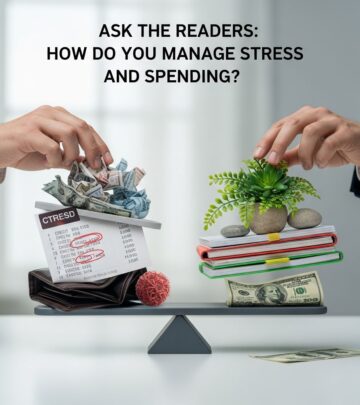
Why You Shouldn’t Stress Too Much About Spending Money
Discover why excessive worry over spending harms your health and how balanced spending can lead to a happier, stress-free financial life.

Consumer spending habits vary widely among individuals. Some spend freely, while others cling tightly to every dollar, only parting with money when absolutely necessary. For those in the frugal camp, even essential purchases can trigger guilt, anxiety, or dread. This mindset often stems from childhood lessons on frugality, past economic hardships, or a deep-seated fear of financial ruin.
While financial caution protects your bank account, excessive preoccupation with spending can severely impact your health. A 2007 survey by the American Psychological Association revealed that 73% of respondents identified money as a major stressor in their lives. Chronic financial stress contributes to serious conditions like heart disease, digestive disorders, sleep disturbances, and depression.
Monitoring expenses is wise, but the health risks of constant worry outweigh the benefits. Here are compelling reasons to ease up on stressing about spending money, allowing for a healthier, more balanced approach to personal finance.
Spending Is a Necessary Part of Life
Spending money is inevitable—it’s the primary way to acquire essentials and fulfill obligations. Fixed expenses like rent, utilities, and loan payments are non-negotiable for most people. These don’t typically cause angst because they’re predictable and unavoidable.
Variable or discretionary spending, however, often sparks panic. A pair of shoes that wear out, a jacket for harsh weather, car repairs, or household items—these needs arise constantly. If you’re buying wisely and within means, fretting over each purchase serves no purpose. Worry won’t erase the need or revert the transaction; it only amplifies stress.
Consider this: life demands ongoing expenditure. Denying this reality leads to unnecessary tension. Instead, accept spending as a normal life function. Track habits to ensure wisdom, but release the guilt. This shift fosters mental peace without compromising fiscal responsibility.
- Essential needs like clothing and repairs recur regularly.
- Wise spending on necessities supports daily functioning.
- Eliminating stress over required purchases improves quality of life.
For those prone to overspending on luxuries they can’t afford, caution is warranted. Irresponsible habits can derail financial stability. But if your purchases align with needs and budget, grant yourself permission to spend without self-flagellation.
You Deserve to Enjoy the Fruits of Your Labor
Hard work earns income, and while saving for the future is crucial, hoarding every penny denies present joy. A substantial savings cushion prepares for retirement and emergencies, but no financial law mandates sacrificing all discretionary funds.
Balance is key: prioritize savings aggressively, then allocate modestly for enjoyment. Small indulgences—like a favorite coffee or occasional outing—recharge your spirit without derailing goals. Moderation prevents regret and burnout from extreme frugality.
Imagine building wealth solely for a distant future while enduring a joyless now. This imbalance breeds resentment toward money. Instead, view earnings as tools for both security and satisfaction. Enjoying fruits of labor sustains motivation to earn and save.
| Approach | Pros | Cons |
|---|---|---|
| Extreme Saving | Large nest egg, financial security | Miss current joys, potential burnout |
| Balanced Spending | Savings + enjoyment, reduced stress | Requires discipline |
| Overspending | Immediate gratification | Debt, insecurity |
This table illustrates why moderation trumps extremes. Aim for the middle path to optimize both present happiness and future stability.
Retail Therapy Actually Works
When life throws curveballs—a breakup, work setback, or rough day—retail therapy offers solace. Shopping for mood repair has a notorious reputation, often labeled as emotional void-filling or irresponsible. Post-purchase guilt compounds the issue.
Science disagrees. Researchers at the University of Michigan ran three experiments showing shopping restores control amid sadness. Participants felt up to 40 times more in control and three times less sad after buying versus browsing. This aligns with prior studies: reflection on mood-motivated purchases yields positive emotions.
Therapist Peggy Wynne notes, “In small, manageable doses, [retail therapy] can soothe the soul. Shopping isn’t a problem when it’s done in moderation, just like moderate use of alcohol.” Occasional treats provide uplift without harm.
- Shopping restores sense of control effectively.
- Moderate use boosts mood without financial peril.
- Avoid excess to prevent debt cycles.
Don’t demonize small pick-me-ups. A new accessory or book can pivot a bad day positively, as long as it fits your budget.
Acknowledging Counterpoints and Finding Balance
Not everyone agrees spending is always necessary. Alternatives like borrowing, trading, or DIY exist. These reduce cash outflow but may not suit every situation—time, access, and quality matter. Spending remains simplest for most needs.
Stress from overspending kills finances too, via impulse buys or avoidance of budgeting. The goal: conscious, moderate spending. Track patterns, set limits, and indulge guilt-free within them.
Frequently Asked Questions (FAQs)
Why does money cause so much stress?
Money tops stress lists per APA surveys due to its role in security and survival. Chronic worry manifests physically.
Is retail therapy really effective?
Yes, University of Michigan studies confirm it restores control and reduces sadness when moderate.
How do I balance saving and spending?
Prioritize savings, then allocate a fun fund. Moderation ensures enjoyment without regret.
What if I overspend often?
Track habits, set budgets, and seek frugal alternatives. Professional advice helps chronic cases.
Can frugality harm health?
Extreme frugality induces stress-related issues like those from financial anxiety.
Embracing balanced spending liberates you from money’s mental grip. Prioritize health alongside finances for true wealth.
References
- Stress in America Baseline Assessment: The Impact of Stress on Adults — American Psychological Association. 2007-10-01. https://www.apa.org/news/press/releases/stress/2007Baseline.pdf
- Consumer Financial Protection Bureau Report on Financial Well-Being — U.S. Consumer Financial Protection Bureau. 2024-05-15. https://www.consumerfinance.gov/data-research/research-reports/financial-well-being-2024/
- Shopping and Happiness: Effects of Spending on Mood Repair — Journal of Consumer Psychology (University of Michigan Study Reference). 2014-01-15. https://doi.org/10.1016/j.jcps.2013.10.002
- Money as a Source of Stress: Psychological Perspectives — American Psychological Association. 2023-09-20. https://www.apa.org/topics/money
- Financial Stress and Health Outcomes — Centers for Disease Control and Prevention (CDC). 2025-02-10. https://www.cdc.gov/mentalhealth/stress-coping/financial-stress/index.html
Similar Articles








Read full bio of medha deb