Why You Shouldn’t Eat at Chain Restaurants
Discover the hidden downsides of chain restaurants: from poor food quality to inflated prices and health risks that make local dining a smarter choice.
Chain restaurants dominate the American dining landscape with their familiar logos, massive menus, and promise of consistent meals at seemingly affordable prices. From fast-food giants like McDonald’s to casual dining spots like Olive Garden or Applebee’s, these establishments lure diners with big portions, promotional deals, and the comfort of predictability. But beneath the glossy advertisements and buzzing parking lots lies a troubling reality: chain restaurants often prioritize profits over quality, health, and genuine culinary experience. This article delves into the key reasons why you might want to reconsider your next trip to a chain, drawing on insights from consumer experiences, nutritional analyses, and economic comparisons. By the end, you’ll see why supporting local, independent eateries can be a smarter choice for your health, wallet, and palate.
The Food Isn’t Fresh — It’s Frozen
One of the biggest myths about chain restaurants is that you’re getting freshly prepared meals. In reality, much of the food arrives pre-packaged, frozen, or pre-cooked from central distribution facilities. This industrial approach ensures uniformity across locations — whether you’re in California or New York, your burger will taste the same — but at the cost of flavor and nutrition. Servers and cooks simply reheat items from freezers, steam tables, or microwaves, a process that strips away freshness and introduces preservatives to extend shelf life.
Consider a typical chain meal: chicken tenders that have been flash-frozen months ago, vegetables boiled in bulk and reheated, and sauces made from powdered mixes. This isn’t cooking; it’s assembly. Local restaurants, by contrast, often source ingredients daily from nearby farms or markets, allowing for vibrant flavors and peak freshness. The result? Chains sacrifice taste for efficiency, leaving diners with bland, over-processed food that doesn’t compare to home-cooked or artisanal alternatives.
- Common chain practices: Pre-bagged meats, pre-cooked pasta held in warming trays, and assembly-line salads with iceberg lettuce that’s weeks old.
- Health impact: Freezing and reheating degrade nutrients like vitamins C and B, while additives like sodium benzoate preserve appearance but not wholesomeness.
- Consumer tip: Next time, ask your server how the dish is prepared. Vague answers like “It’s our special recipe” often hide the frozen truth.
This reliance on frozen goods also explains the massive menus — 20+ pages aren’t a sign of creativity but of inventory convenience. Chains stock versatile bases that can be tweaked into multiple dishes, reducing waste but compromising authenticity.
It’s Not a Unique Experience
Dining out should be an adventure, a chance to savor something extraordinary that you couldn’t replicate at home. Chain restaurants, however, deliver the opposite: a cookie-cutter experience designed for mass appeal. Every location looks, smells, and tastes identical, from the decor to the playlist. This predictability appeals to risk-averse diners craving familiarity, especially travelers seeking “comfort food” abroad, but it robs you of discovery.
Imagine craving Italian cuisine. At a local trattoria, you might enjoy house-made pasta with seasonal truffles foraged locally. At Olive Garden, it’s endless breadsticks and reheated alfredo from a pouch — authentic in name only. Chains fine-tune their offerings through market research to hit the lowest common denominator, ensuring broad appeal but zero excitement. As one commenter noted, “People go to chains for reduced risk, but that’s not why we travel or dine out.”
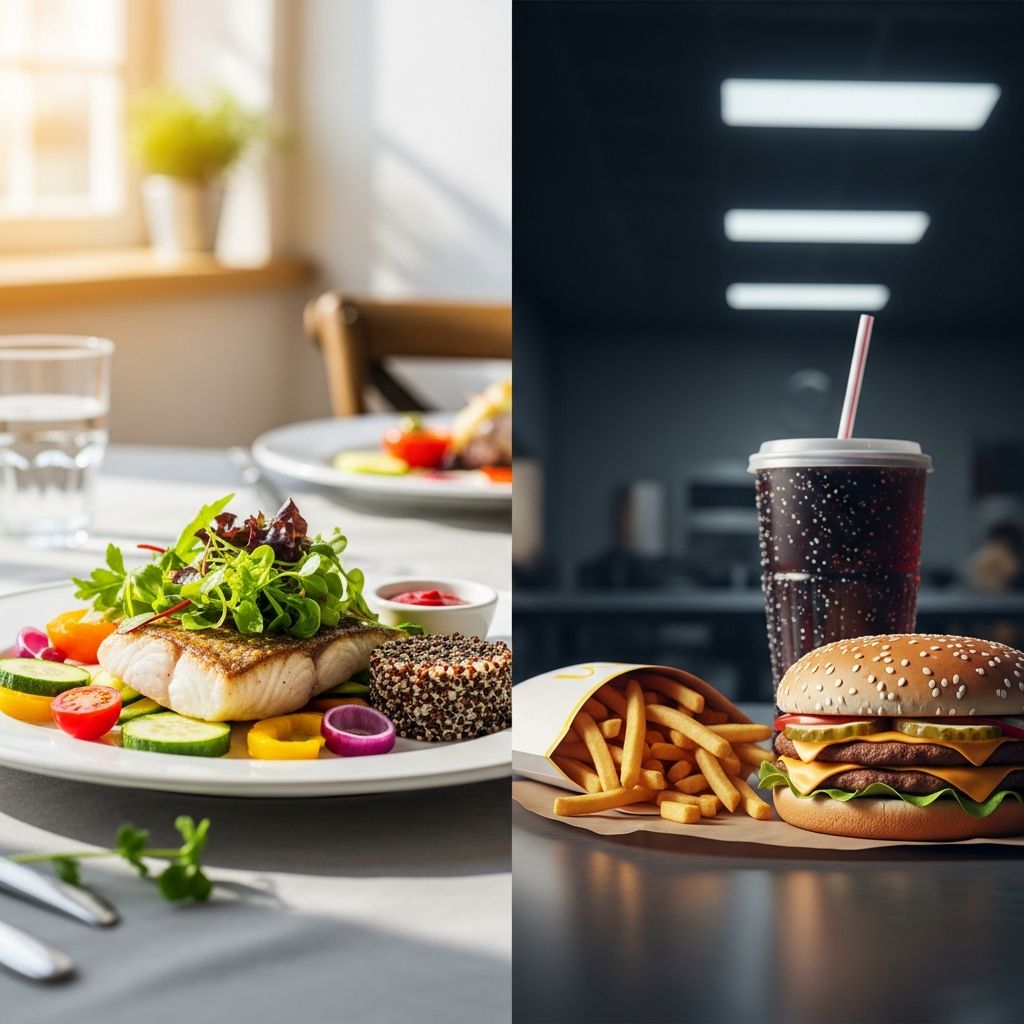
The lack of uniqueness extends to ambiance: fluorescent lights, vinyl booths, and generic chatter. Local spots offer personality — quirky decor, owner stories, or live music — turning a meal into a memory. If value means more than calories-per-dollar, opt for the unique over the ubiquitous.
Portions Are Deceptively Large — And Unhealthy
Big portions are a chain restaurant hallmark, marketed as value. But this abundance often leads to overeating, waste, and health pitfalls. A single entree can exceed 1,500 calories, loaded with sodium, trans fats, and sugars to mask mediocre ingredients. Government data from the CDC shows that restaurant portions have ballooned 138% since 1980, contributing to America’s obesity epidemic.
| Meal Type | Chain Average Calories | Daily Recommended (2,000 cal diet) |
|---|---|---|
| Burger + Fries | 1,200-1,800 | 60-90% |
| Pasta Dish | 1,400-2,000 | 70-100% |
| Appetizer + Entree | 2,000+ | 100%+ |
These supersized servings encourage splitting (a smart hack), but the food’s quality remains poor. High-fructose corn syrup in sauces, hydrogenated oils in fries, and excessive salt (often 2,000mg+ per meal) strain your body. Local restaurants focus on balanced plates with fresh produce, offering satisfaction without the bloat.
You Don’t Know What You’re Eating
Transparency is a chain’s Achilles’ heel. While some provide calorie counts due to regulations, full ingredient lists are proprietary secrets. Smaller eateries might share recipes proudly, but chains guard formulas like trade secrets, hiding MSG, artificial colors, and GMOs. Comments from diners reveal frustration: locals often refuse allergen info, but chains at least offer standardized nutrition — though it’s rarely reassuring.
This opacity fuels allergies and dietary restrictions. A “gluten-free” label might ignore cross-contamination in shared fryers. Empower yourself by choosing spots that prioritize openness.
You’re Paying for the Brand, Not the Food
Chains boast economies of scale, buying bulk to undercut prices. Yet menu costs belie reality: a $15 chain entree matches or exceeds local prices after add-ons like $5 sodas and 20% “service fees.” You’re subsidizing national advertising, executive salaries, and lavish HQs, not fresher food.
Local restaurants keep money circulating in your community, often matching quality at similar costs without the markup. Deals like “2 for $20” seem savvy but exclude drinks and tips, inflating the bill.
Service and Ambiance Are Standardized — And Often Subpar
Chain staff turnover is high (150% annually per BLS data), leading to rote service. Local owners invest in teams, fostering genuine hospitality. Ambiance? Chains opt for cost-cutting sameness over charm.
Health Risks: Sodium, Calories, and Beyond
Chains excel at hidden health bombs: sodium levels 2-3x daily limits, per FDA guidelines. Long-term, this risks hypertension. Fresh local fare avoids these traps.
Environmental and Ethical Concerns
Industrial supply chains mean more packaging waste and factory farming. Locals support sustainable practices.
Frequently Asked Questions (FAQs)
Q: Are chain restaurants always more expensive than locals?
A: Not always, but hidden fees often make them pricier. Compare total bills, including drinks and tips.
Q: Can chains offer healthy options?
A: Some salads exist, but portions and dressings undermine them. Locals provide truly nutritious meals.
Q: What’s the best alternative to chains?
A: Independent restaurants, food trucks, or markets for fresh, unique eats.
Q: Are there any good chains?
A: A few like In-N-Out emphasize fresh ingredients, but most follow the criticized model.
Q: How can I save money dining out smarter?
A: Eat late lunches, split meals, choose locals with daily specials, and skip drinks.
References
- National Health and Nutrition Examination Survey (NHANES) Data on Portion Sizes — Centers for Disease Control and Prevention (CDC). 2023-01-15. https://www.cdc.gov/nchs/nhanes/index.htm
- Restaurant Industry Facts: Labor Turnover Rates — U.S. Bureau of Labor Statistics (BLS). 2025-09-01. https://www.bls.gov/iag/tgs/iag72.htm
- Sodium Intake Among U.S. Adults — U.S. Food and Drug Administration (FDA). 2024-06-20. https://www.fda.gov/food/nutrition-education-resources-materials/sodium-your-diet
- Menu Labeling Requirements — U.S. Food and Drug Administration (FDA). 2023-11-10. https://www.fda.gov/food/food-labeling-nutrition/menu-labeling-requirements
- Food Waste in the Supply Chain — United States Department of Agriculture (USDA). 2024-03-05. https://www.usda.gov/topics/food-and-nutrition/food-loss-and-waste
Similar Articles








Read full bio of Sneha Tete