Why You Should Be Saving Big with Bi-Weekly Mortgage Payments
Discover how switching to bi-weekly mortgage payments can slash years off your loan and save thousands in interest effortlessly.

Bi-weekly mortgage payments represent a simple yet powerful strategy for homeowners looking to accelerate their path to debt-free living. By splitting your monthly mortgage payment in half and paying every two weeks, you effectively make 13 full payments per year instead of 12, channeling that extra payment directly toward your principal balance. This approach reduces the total interest paid over the loan’s life and shortens the repayment period, often by several years, without requiring a refinance or significant lifestyle changes.
How Bi-Weekly Mortgage Payments Work
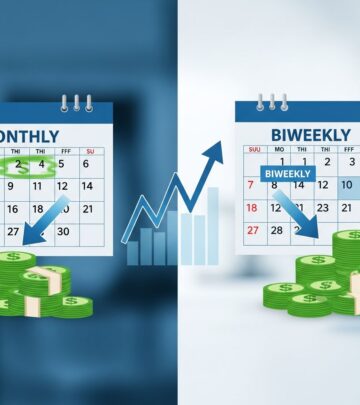
Understanding the mechanics is straightforward. A standard 30-year mortgage requires 12 monthly payments annually. With bi-weekly payments, you divide your monthly amount by two and pay that half-portion every 14 days. Since there are 52 weeks in a year, this results in 26 half-payments—or the equivalent of 13 full monthly payments.
That additional payment goes straight to the principal, not interest, because it reduces the balance earlier in the cycle. Less principal means less interest accrues each month, creating a compounding effect that speeds up payoff. For example, on a $400,000 loan at 6.5% interest with a monthly payment of $2,528.27, switching to bi-weekly payments of $1,264.14 shaves nearly six years off the term and saves over $119,000 in interest.
| Payment Type | Monthly/Bi-Weekly Amount | Total Payments | Payoff Time | Total Interest Paid | Savings |
|---|---|---|---|---|---|
| Monthly | $1,798 | $647,280 | 30 years | $347,280 | – |
| Bi-Weekly | $899 | $551,740 | 25 years 9 months | $251,740 | $95,540 |
This table illustrates potential savings based on typical figures; actual results vary by loan details.
The Power of Interest Savings
One of the most compelling reasons to adopt bi-weekly payments is the substantial reduction in interest costs. Interest is calculated on the outstanding principal, so paying it down faster minimizes the balance on which interest compounds. Over a 30-year loan, this can translate to tens of thousands in savings—$33,000 in the first decade alone for some loans.
For a $100,000 mortgage at 6.5% with 20% down, bi-weekly payments of $252 could save significant interest and pay off the loan in 24 years instead of 30. High-interest loans amplify these benefits, as frequent principal reductions curb escalating interest charges.
Paying Off Your Mortgage Years Earlier
Bi-weekly schedules consistently shorten loan terms. That extra annual payment acts like a turbo boost, often cutting 4-6 years from a 30-year mortgage. Homeowners become mortgage-free sooner, freeing up cash flow for retirement, travel, or investments.
In one scenario, a $300,000 loan paid bi-weekly finishes in under 26 years, avoiding years of payments entirely. This acceleration compounds over time, as each principal reduction lowers future interest.
Building Equity at Lightning Speed
Extra payments build home equity rapidly, as funds target the principal directly. This positions you better for refinancing at lower rates, home equity loans, or selling with more profit.
Faster equity growth can also eliminate private mortgage insurance (PMI) sooner, once you reach 20% equity, saving hundreds monthly. For those planning renovations or future moves, this flexibility is invaluable.
Budgeting Made Effortless
If paid bi-weekly, aligning mortgage payments with paychecks simplifies cash flow management. Smaller, frequent payments feel less burdensome than one large monthly hit.
Even without bi-weekly income, the structure encourages disciplined saving—the equivalent of one extra payment can be set aside gradually. This matches many Americans’ pay cycles, reducing overdraft risks and late fees.
Pros and Cons of Bi-Weekly Mortgage Payments
While benefits dominate, consider drawbacks:
- Pros:
- Massive interest savings through principal reduction.
- Shorter loan term by years.
- Faster equity buildup and PMI cancellation.
- Easier budgeting with paychecks.
- No refinance needed.
- Cons:
- Potential lender fees for bi-weekly programs (though DIY avoids this).
- Requires discipline if not automated.
- Cash flow strain if income is irregular.
Who Should Consider Bi-Weekly Payments?
This strategy suits those with stable bi-weekly income, long-term plans to stay in their home, or high-interest loans. It’s ideal for budget-conscious families aiming for financial freedom sooner.
Avoid if facing short-term liquidity issues or planning to move soon, as prepayment penalties are rare but possible—check your loan terms.
How to Switch to Bi-Weekly Payments
- Contact Your Lender: Confirm they accept bi-weekly payments and apply extras to principal.
- Calculate Half-Payment: Divide monthly amount by 2.
- Set Up Automation: Align with paydays via ACH or lender portal.
- Track Progress: Request annual statements showing principal reduction.
- DIY Alternative: Make 12 monthly payments plus one annual principal-only payment for similar results without fees.
Many lenders offer formal bi-weekly plans, but verify no hidden costs.
Real-Life Examples and Calculators
Consider a $250,000 loan at 7% interest: Monthly payments total $1,663, with bi-weekly at $831.50. Payoff drops to 24 years, saving $50,000+ in interest.
Use online calculators from reputable sites to model your scenario, inputting exact loan details for personalized projections.
Frequently Asked Questions (FAQs)
Do bi-weekly payments always save money?
Yes, if extras apply to principal without fees, they reduce interest and term.
Can I switch anytime?
Most lenders allow it post-closing; notify them to adjust escrow if applicable.
What if I’m not paid bi-weekly?
Still beneficial—treat it as forced savings for principal reduction.
Will it hurt my credit?
No, on-time bi-weekly payments boost credit like monthly ones.
Are there fees?
Some programs charge setup fees; opt for no-fee DIY by sending extras manually.
Final Thoughts on Accelerating Your Mortgage Payoff
Bi-weekly mortgage payments offer a low-effort path to substantial savings, faster equity, and earlier freedom from housing debt. With potential savings exceeding $100,000 and terms shortened by years, it’s a strategy worth exploring. Consult your lender today to crunch numbers and start building wealth faster.
References
- The Pros and Cons of Bi-Weekly Mortgage Payments — Ladera Lending. 2023. https://laderalending.com/the-pros-and-cons-of-bi-weekly-mortgage-payments/
- Biweekly Mortgage Payments: What You Need To Know — Bankrate. 2025-01-10. https://www.bankrate.com/mortgages/should-you-make-biweekly-mortgage-payments/
- How Biweekly Mortgage Payments Work — Rocket Mortgage. 2024. https://www.rocketmortgage.com/learn/biweekly-mortgage-payments
- How Bi-Weekly Mortgage Payments Can Save You Interest — Dream First Bank. 2024. https://www.dreamfirst.bank/resources/dream-blog/how-bi-weekly-mortgage-payments-can-save-you-interest-and-simplify-your-budget
- The Advantages and Disadvantages of Bi-Weekly Mortgage Payments — Michigan First. 2023. https://michiganfirst.com/Education/MoneyWise-Blog/Homebuying/The-Advantages-and-Disadvantages-of-Bi-Weekly-Mort
- Here’s How Biweekly Mortgage Payments Work — LendingTree. 2025. https://www.lendingtree.com/home/mortgage/biweekly-mortgage-payments/
- Pros and Cons of Making Biweekly Mortgage Payments — SmartAsset. 2024. https://smartasset.com/mortgage/biweekly-mortgage-payments
- Why Paying Your Mortgage Biweekly Can Save You Money — Experian. 2024-06-15. https://www.experian.com/blogs/ask-experian/why-paying-your-mortgage-twice-a-month-can-save-you-serious-money/
Similar Articles








Read full bio of Sneha Tete