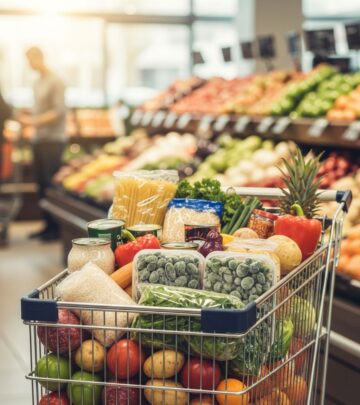
Why You Pay More at the Grocery Store and How to Stop
Uncover hidden reasons behind rising grocery bills and master proven strategies to slash costs without sacrificing quality or nutrition.
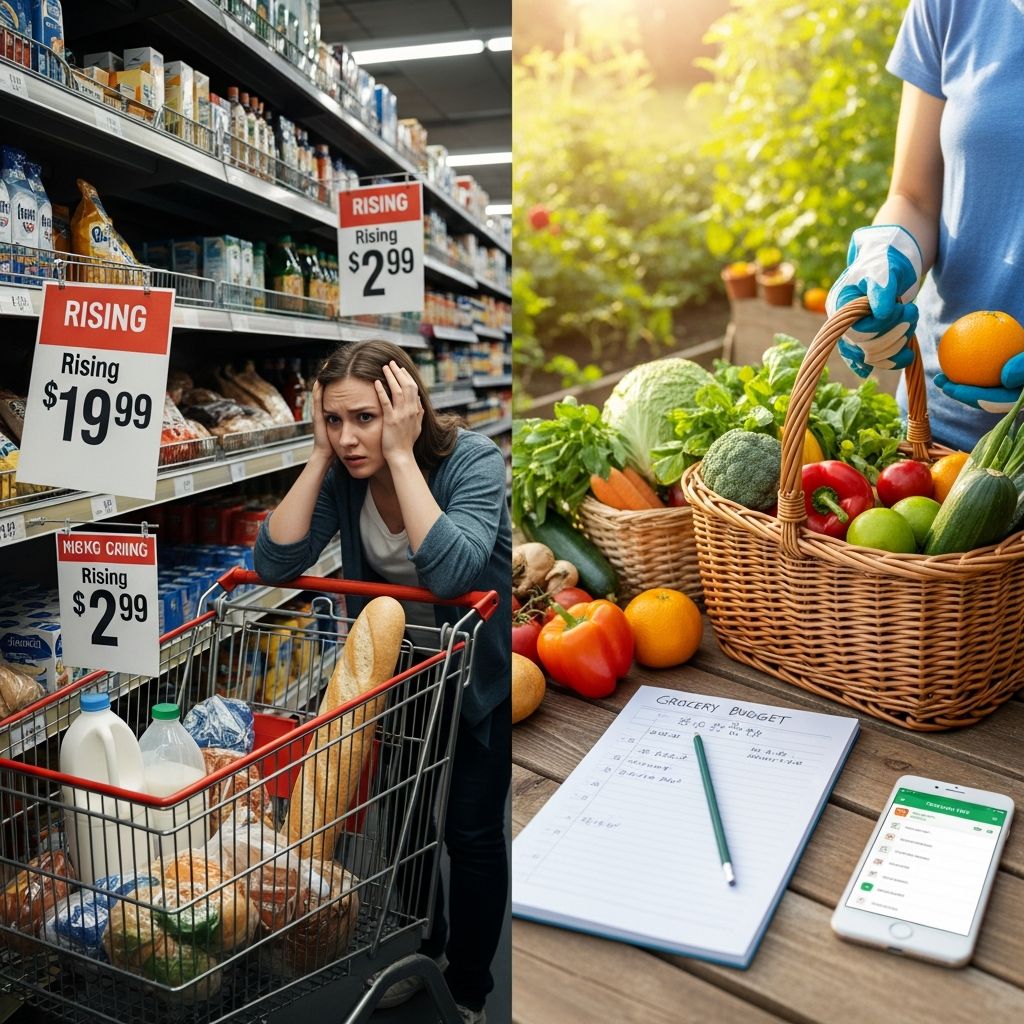
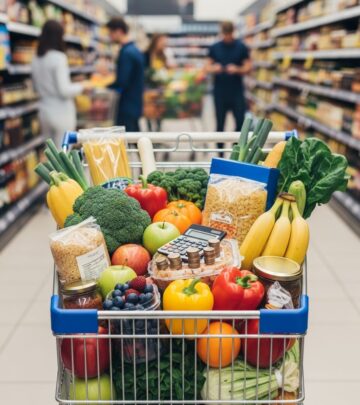
Grocery shopping has become a financial battlefield where prices seem to climb relentlessly, squeezing household budgets. Many shoppers unknowingly pay more due to common pitfalls like impulse buys, poor planning, and store tactics designed to maximize profits. This comprehensive guide reveals the primary reasons behind inflated grocery bills and equips you with battle-tested strategies to reverse the trend, potentially saving hundreds of dollars each year.
1. You Don’t Have a Budget or Shopping List
The foundation of overspending starts before you even enter the store. Without a strict grocery budget or a detailed shopping list, you’re navigating a minefield of temptations. Studies show that unplanned purchases account for up to 60% of grocery spending, turning a routine trip into an expensive outing.
Establishing a budget begins with tracking your current spending. Review receipts from the past month to identify patterns—perhaps $50 goes to snacks or $100 to premium brands. Allocate a realistic weekly or monthly amount based on your income and needs, aiming for 10-15% of take-home pay on groceries.
- Track expenses: Use apps like Mint or a simple spreadsheet to log every purchase.
- Set limits: Decide on a per-category cap, e.g., $40 for produce, $30 for proteins.
- Meal plan first: Plan seven days of meals around sales and pantry staples to dictate your list.
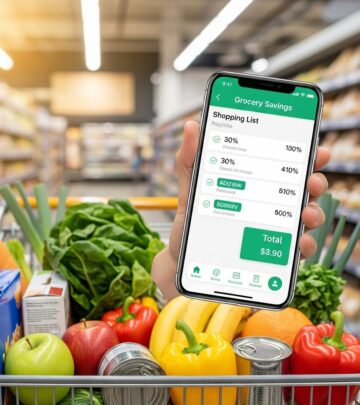
Creating a shopping list is non-negotiable. Write it categorically: produce, dairy, meats, etc., and stick to it rigidly. Cross off items as you add them to your cart mentally or physically. Shoppers who use lists spend 20-30% less on average.
2. You Shop When You’re Hungry
Hunger turns the grocery store into a siren song of sugary cereals, chips, and ready meals. Research from the journal Obesity confirms that hungry shoppers buy 15-20% more calories, often junk food, inflating bills by opting for convenience over value.
Counter this by eating a full meal or substantial snack before shopping. Protein-rich options like nuts, yogurt, or cheese stabilize blood sugar, curbing cravings. Time your trips post-meal, ideally after breakfast or lunch, not on an empty evening stomach.
Pro tip: Shop online if hunger strikes often. Digital carts reduce sensory temptations, with studies showing 10-25% lower spending via apps like Instacart or store sites.
3. You Ignore Store Layout and Marketing Tricks
Grocery stores are engineered psychological labs. Essentials like milk and bread are at the back to force you through high-margin items. Eye-level shelves feature priciest brands; ends of aisles blast promotions, many not true deals.
Navigate smartly: Stick to the perimeter for fresh foods, avoiding central aisles packed with processed goods. Shop clockwise to counter the typical counterclockwise flow that exposes you to more impulse zones. Ignore endcaps unless comparing unit prices.
| Store Zone | Typical Items | Strategy |
|---|---|---|
| Perimeter | Produce, dairy, meats | Prioritize; healthiest and often cheapest per unit. |
| End of Aisles | Promotions, snacks | Skip unless on list and verified sale. |
| Eye Level | Premium brands | Look high/low for generics at 20-50% less. |
| Checkout | Candy, magazines | Use self-checkout or send a list to avoid. |
4. You Don’t Compare Unit Prices
Bigger isn’t always cheaper. A large cereal box might cost more per ounce than two small ones. Unit pricing—cost per ounce, pound, or unit—reveals true value, yet many ignore shelf tags.
Always scan the unit price tag. For example, Brand A: $4.99/24oz = $0.21/oz; Generic B: $3.49/16oz = $0.22/oz—small wins add up. Prioritize store brands, which match quality at 25-40% lower prices per USDA data.
- Focus on consistent metrics: e.g., apples per pound.
- Calculate mentally: Divide total price by weight.
- Use apps like Basket or Flipp for pre-comparison.
5. You Fall for ‘Sales’ and Coupons Without Planning
Not all sales save money. ‘50% off’ on an item you don’t need wastes cash. Coupons often promote pricier brands, negating savings unless stacked with sales.
Plan around flyers: Review weekly ads Sunday evenings, matching to your list. Stockpile non-perishables like pasta at rock-bottom prices. Use cash-back apps like Ibotta post-purchase for rebates.
Avoid couponing traps: It takes time; focus on high-value clips for list items only.
6. You Buy Prepared and Convenience Foods
Pre-cut veggies, rotisserie chickens, and deli salads cost 2-5x more than raw equivalents. A whole chicken roasts for pennies per serving versus $8 ready-to-eat.
DIY basics: Chop your produce, cook rice in bulk, assemble salads. Invest in a slow cooker for cheap meals from tough cuts. Batch-prep saves time and money long-term.
7. You Overbuy Perishables and Waste Food
America discards 40% of food, per USDA, equating to $1,600 annual loss per family. Bulk berries mold; excess bread stale-s.
Buy seasonally and in moderation: Frozen/canned equals fresh nutrition at half price. Use FIFO (first in, first out) inventory. Apps like SuperCook turn remnants into meals.
8. You Shop Too Often
Frequent trips multiply impulse buys. Weekly visits average 23% more spending than bi-weekly.
Switch to every 10-14 days, bulking non-perishables. Smaller, purposeful trips for milk/eggs only. Delivery for big shops minimizes temptation.
9. You Don’t Take Advantage of Loyalty Programs and Rewards
Store cards offer 2-5% back, digital coupons, exclusive sales. Fuel points slash gas costs.
Sign up, load apps weekly. Combine with cash-back cards for groceries. Rotate stores for best deals.
10. You Ignore Seasonal and Regional Deals
Out-of-season imports cost more. Shop farmers’ markets for local steals, CSAs for bulk savings.
Freeze summer berries, can tomatoes. Adjust menus: Squash in fall, strawberries in spring.
Frequently Asked Questions (FAQs)
What caused recent grocery price spikes?
Inflation from supply chain issues, avian flu (eggs up 70% in 2022-2023), fuel/labor costs drove 12% rises. Recent data shows mixed trends: produce/dairy down, beef up 25%.
Are prices still rising in 2026?
No broad increases; 70% of items stable or lower per 2025 comparisons, though meats vary.
How much can I save with these tips?
20-50% off bills, or $1,000+ yearly for families, via planning and generics.
Are generics as good as name brands?
Yes, identical ingredients, rigorous testing; save 25-40% consistently.
Best apps for grocery savings?
Flipp (ads), Ibotta (rebates), Basket (unit prices), meal planners like Mealime.
Bonus: Advanced Strategies for Maximum Savings
Shop discount chains like Aldi (30% less), ethnic markets for staples. Garden herbs/veggies. Co-op with neighbors for bulk buys. Track progress monthly, adjust budgets dynamically.
Recent trends: Eggs/milk down 9%, strawberries 39%, but watch beef/squash hikes. Adapt lists accordingly.
References
- How Bad Are the Grocery Price Increases? I Compare 20 Items — Money Guy Eric (YouTube). 2025-11-14. https://www.youtube.com/watch?v=M9fehpoovY8
- How to save money at the grocery store as prices rise — PBS NewsHour (YouTube). 2023-03-02. https://www.youtube.com/watch?v=rhSzV3x_640
- Food Price Outlook – Summary Findings — USDA Economic Research Service. 2025-12-01. https://www.ers.usda.gov/data-products/food-price-outlook/summary-findings
- Consumer Price Index Summary – 2025 M12 Results — U.S. Bureau of Labor Statistics. 2026-01-10. https://www.bls.gov/news.release/cpi.nr0.htm
- Food Waste in America: Facts & Figures — USDA. 2024-11-15. https://www.usda.gov/foodwaste
Similar Articles








Read full bio of medha deb