Why You Need to Know the Difference Between Secured and Unsecured Debts
Mastering secured vs. unsecured debts: Understand risks, rates, and strategies to manage your finances wisely and avoid costly pitfalls.
Understanding the distinction between
secured
andunsecured debts
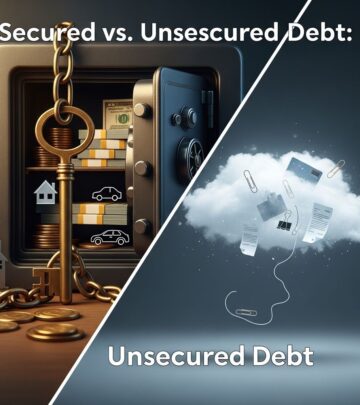
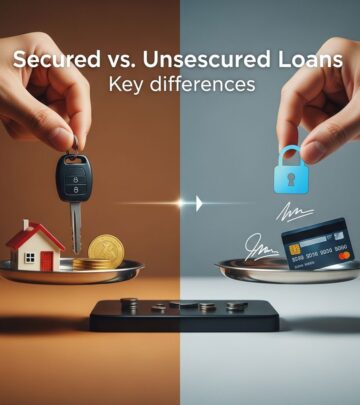
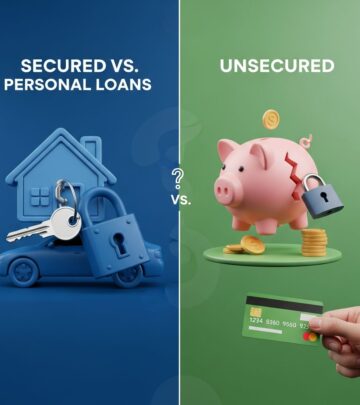
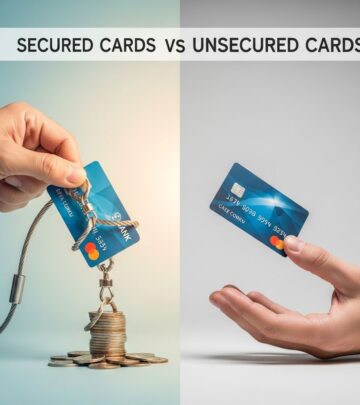
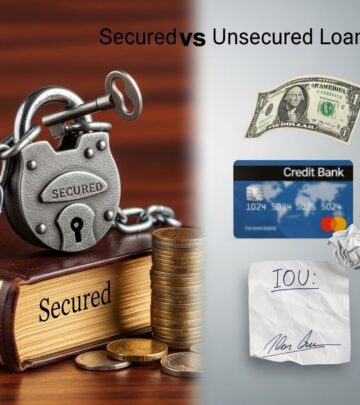
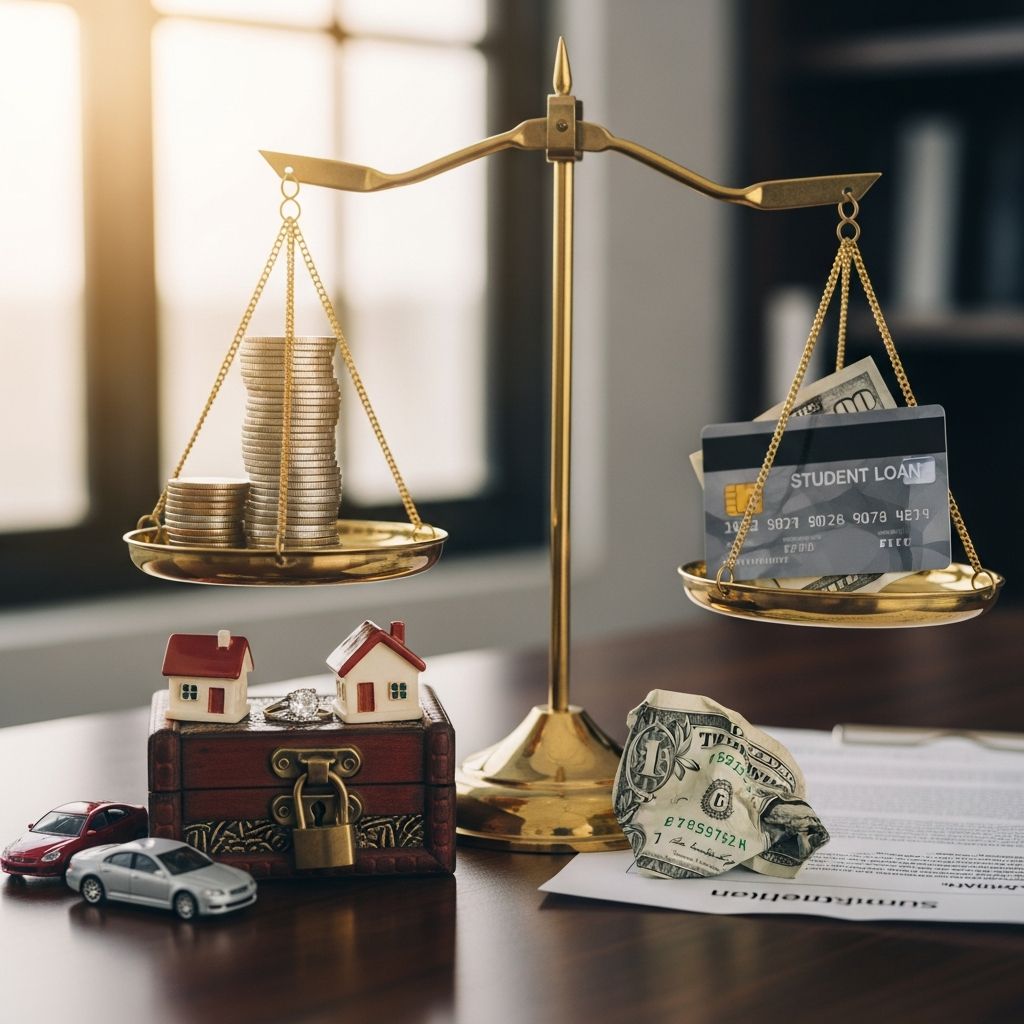
is fundamental to effective personal finance management. Secured debts are backed by collateral, such as a home or car, allowing lenders to repossess assets if payments are missed. Unsecured debts, like credit card balances, rely solely on your promise to repay, with no specific asset at risk but severe credit consequences upon default.This knowledge influences borrowing decisions, repayment priorities, negotiation tactics, and even bankruptcy strategies. Failing to grasp these differences can lead to asset loss or prolonged financial distress. Below, we explore definitions, examples, implications, and practical advice to empower you in handling debt responsibly.
What Is Secured Debt?
**Secured debt** requires collateral—an asset pledged to the lender as security. If you default, the lender can seize and sell the collateral to recover funds. This setup reduces lender risk, often resulting in lower interest rates and higher loan amounts.
Common examples include:
- Mortgages: Your home serves as collateral. Default risks foreclosure.
- Auto loans: The vehicle is collateral; repossession follows non-payment.
- Home equity loans or HELOCs: Borrow against home equity, with the property at stake.
- Secured credit cards or loans: Backed by a deposit from your savings.
Secured debts typically offer favorable terms: interest rates around 3-7% for mortgages versus 15-25% for unsecured options. Loan limits depend on collateral value, enabling larger sums like $300,000+ for homes.
What Is Unsecured Debt?
**Unsecured debt** lacks collateral, based entirely on your creditworthiness. Lenders assess income, credit score, and history. Defaulting triggers collections, lawsuits, wage garnishment, or credit damage, but no immediate asset seizure.
Typical examples:
- Credit cards: Most common; high rates (average 20%+ APR).
- Personal loans: For debt consolidation or expenses; rates 10-36%.
- Student loans: Federal or private; hard to discharge in bankruptcy.
- Medical bills: Unexpected costs without backing assets.
Unsecured loans pose higher lender risk, leading to stricter approval, higher rates, and lower limits (often $50,000 max).
Secured Debt vs. Unsecured Debt: Key Differences
The core variance is collateral, rippling into risks, rates, and terms. Here’s a comparison:
| Aspect | Secured Debt | Unsecured Debt |
|---|---|---|
| Collateral | Required (e.g., home, car) | None |
| Borrower Risk | High: Asset loss on default | Lower: No seizure, but credit/collections hit |
| Lender Risk | Low: Can repossess collateral | High: Relies on legal recovery |
| Interest Rates | Lower (3-10% typically) | Higher (10-36% typically) |
| Loan Amounts | Higher, asset-based | Lower, credit-based |
| Repayment Terms | Longer (15-30 years) | Shorter (1-7 years) |
Secured options suit large purchases with assets; unsecured fits smaller needs if credit is strong.
Why Does the Classification Matter in Bankruptcy?
In
bankruptcy
, secured debts are treated as priorities because of collateral rights. Chapter 7 may allow reaffirmation (keep paying to retain asset) or surrender (lose asset, debt discharged). Unsecured debts are often fully discharged in Chapter 7, wiping them out without asset loss.Chapter 13 involves a 3-5 year repayment plan prioritizing secured debts. Understanding this helps decide bankruptcy type: protect home/car (favor secured) or eliminate credit cards (target unsecured).
Courts classify debts strictly; misjudging can forfeit assets unexpectedly.
Prioritizing Your Debts
Always prioritize
secured debts
first. Missing payments risks repossession/foreclosure, creating homelessness or transport loss. Unsecured defaults hurt credit (drops 100+ points) but don’t immediately seize assets.- Step 1: Pay secured minimums (mortgage, car) to protect essentials.
- Step 2: Tackle unsecured aggressively once secured are current.
- Pro Tip: Use debt snowball/avalanche for unsecured after securing basics.
This strategy safeguards lifestyle while building momentum.
Using Debt Type to Your Negotiation Advantage
**Secured creditors** fear asset recovery hassles (repossession costs $500-2000/car). Threaten bankruptcy to negotiate lower rates or terms—many prefer modified payments over loss.
**Unsecured creditors** prioritize any recovery; they’re open to settlements (40-60% lump sums) or hardship plans reducing rates temporarily. Leverage good payment history for concessions.
Tips:
- Get agreements in writing.
- Consult nonprofits like NFCC before settling (tax implications on forgiven debt).
- Track all communications.
Examples of Secured Debts
Mortgage: Secures home purchase; average rate 6.5% (2025). Default: Foreclosure after 90-120 days missed.
Auto Loan: Finances vehicle; rates 5-8%. Repossession possible after 30 days late.
HELOC: Flexible home borrowing; variable rates. Home at risk.
Examples of Unsecured Debts
Credit Cards: Revolving; 21% avg APR. Collections after 180 days.
Personal Loans: Lump sum; fixed terms. Lawsuits common on default.
Student Loans: Deferred options; rates 5-8% federal. Garnishment without court.
Frequently Asked Questions (FAQs)
Q: Which debt should I pay off first?
A: Prioritize secured debts to avoid asset loss, then unsecured to rebuild credit.
Q: Can unsecured debt be secured later?
A: Rarely; lenders extend based on original terms. Refinancing might secure it.
Q: Do secured loans build credit faster?
A: Both do via on-time payments, but secured often have longer history impact.
Q: What if I default on unsecured debt?
A: Expect collections, score drop (100-200 points), lawsuits, wage garnishment.
Q: Are rates always lower for secured debt?
A: Typically yes, due to lower lender risk, but depends on credit/collateral.
Final Thoughts on Managing Secured and Unsecured Debts
Grasping secured vs. unsecured debts equips you to borrow smartly, prioritize payments, negotiate effectively, and plan for crises like bankruptcy. Build good habits: pay on time, avoid overborrowing, monitor credit. Tools like balance transfers or consolidation can optimize unsecured debt. Consult professionals for tailored advice.
References
- The Difference Between Secured vs. Unsecured Debt — Bankrate. 2025 (accessed). https://www.bankrate.com/personal-finance/debt/secured-vs-unsecured-debt/
- Secured vs Unsecured Debt: Understand Your Borrowing Options — Fidelity Bank. 2025 (accessed). https://www.fidelity-bank.com/news/secured-vs-unsecured-debt-understanding-your-borrowing-options
- The Differences Between Secured Debt and Unsecured Debt — MNP Ltd. 2025 (accessed). https://bankruptcy.mnpdebt.ca/faqs/differences-between-secured-debt-and-unsecured-debt
- Secured vs. Unsecured Debt: What’s the Difference? — Capital One. 2025 (accessed). https://www.capitalone.com/learn-grow/money-management/secured-vs-unsecured-debt/
- What is the difference between secured and unsecured debt? — Greenville FCU. 2025-02-11. https://www.greenvillefcu.com/blog/2025/02/11/what-is-the-difference-between-secured-and-unsecured-debt
Similar Articles








Read full bio of medha deb