Why You Need Guilt-Free Fun Money In Your Budget
Learn what fun money is, why it matters, and how to budget for guilt-free spending that supports your long-term financial goals.

Trying to be disciplined with money often leads people to cut every non-essential expense. But when you remove all room for enjoyment from your budget, it becomes much harder to stay consistent with long-term financial goals. That is where fun money comes in: a planned, guilt-free amount you can spend on the things that bring you joy.
This guide explains exactly what fun money is, why it matters for your emotional well-being and financial success, and how to build it into your budget using practical, proven methods.
What Is Fun Money?
Fun money is the portion of your income you intentionally set aside for anything that feels enjoyable, relaxing, or exciting to you, without needing to justify it to anyone else.
It is completely flexible and personal. The same amount of fun money could look totally different from one person to another, and even change from month to month based on what you need or want in that season of life.
Examples of fun money spending
Fun money can be used for almost anything that is not a strict necessity:
- Going out for coffee or brunch with friends
- Trying a new restaurant or ordering takeout
- Buying books, games, or hobby supplies
- Beauty and self-care, such as hair, nails, or spa treatments
- Streaming services or app subscriptions you enjoy
- Tickets to concerts, shows, or sports events
- Small home décor or seasonal items
- Saving up several months of fun money for a short trip or special experience
The key is that these purchases are planned as part of your budget, so you can enjoy them without guilt or fear that you are jeopardizing your long-term goals.
Why fun money is guilt-free
Fun money works because you decide in advance how much you can afford to spend on non-essentials after covering your bills, savings, and debt payments. Once that amount is set, you are free to use it however you like within that limit.
Behavioral research on self-control shows that people who follow extremely strict, all-or-nothing rules often end up breaking those rules and overspending later, a pattern sometimes called the “abstinence–violation effect.” Planning a small, sustainable amount of discretionary spending can help prevent this cycle and support better long-term financial habits.
Why You Need Money For Fun In Your Budget
On the surface, cutting all fun spending sounds like a fast track to debt freedom or big savings goals. In reality, being too restrictive can backfire and make it harder to stay consistent. Fun money offers several important benefits.
1. It reduces the urge to binge-spend
When you constantly tell yourself “no” to every little treat or experience, the pressure can build up until you eventually give in and splurge far beyond what you intended. Fun money creates a controlled outlet for that desire to spend, lowering the risk of large, unplanned buying sprees.
Studies on self-regulation and financial behavior indicate that moderate, planned indulgences can make people more likely to stick to their broader goals over time. When you know you have money set aside for enjoyment, you are less likely to rebel against your own rules.
2. It supports your mental health
Personal finance is not just about numbers; it is also about your emotional well-being. Having zero room for fun can lead to stress, burnout, and resentment toward your financial plan.
Research from the American Psychological Association consistently finds money to be a leading source of stress, and financial stress can worsen mental and physical health. Short, affordable breaks and small pleasures—like meeting a friend for coffee or going to a low-cost event—can boost mood and help you feel more balanced while you work toward your goals.
3. It improves your relationships
Many shared experiences with family and friends cost at least a little money: a movie night out, a birthday dinner, a weekend activity with kids, or a day trip. If your budget does not include any space for these, you may end up feeling left out or guilty for saying yes.
Fun money allows you to:
- Join social events without derailing your budget
- Plan low-cost but meaningful experiences with loved ones
- Be generous in small ways—like picking up dessert or bringing a gift—without financial anxiety
Investing in relationships has long-term benefits for both happiness and health; large studies show that strong social connections are linked to longer life and better well-being overall.
4. It keeps you motivated for long-term goals
Big financial goals—paying off large debts, building an emergency fund, or saving for a home—often take years. If your plan feels like endless sacrifice, motivation can fade quickly.
Fun money acts as a built-in reward system. You work your budget, see progress on your goals, and still get to enjoy life in the process. This balance can make your plan feel realistic and sustainable instead of punishing.
5. It teaches intentional spending
Because fun money is limited, you naturally start to prioritize what you truly value. Instead of buying every small thing that catches your eye, you may begin to ask:
- “Would I rather use this money for something else later this month?”
- “Does this purchase fit my real priorities, or is it just a reflex?”
- “Would I enjoy this experience more than another item?”
This kind of intentional decision-making is a cornerstone of healthy personal finance and aligns with the idea of values-based spending often recommended by financial planners.
How To Save For Your Fun Money
Fun money should never be random; it needs to be built into your overall financial plan. Two of the most practical methods for doing this are the 50/30/20 rule and a zero-based budget.
The 50/30/20 budgeting rule
The 50/30/20 rule is a simple guideline popularized by U.S. Senator Elizabeth Warren and economist Amelia Warren Tyagi, and frequently used in consumer finance education. It divides your after-tax income into three main categories:
| Category | Target share of income | What it covers |
|---|---|---|
| Needs | 50% | Essential expenses: housing, utilities, basic groceries, insurance, transportation, minimum debt payments |
| Wants | 30% | Non-essential but enjoyable spending: dining out, entertainment, travel, most subscriptions, upgrades |
| Savings & debt payoff | 20% | Emergency fund, retirement contributions beyond any payroll deduction, extra debt payments, other goals |
Where fun money fits in the 50/30/20 rule
Your fun money lives inside the 30% “wants” category. This includes:
- Eating out and delivery
- Entertainment and hobbies
- Non-essential clothing or accessories
- Trips, getaways, and experiences
- Personal treats and impulse buys that don’t qualify as needs
To apply this method:
- Calculate your monthly take-home income.
- Multiply it by 0.30 to find your total wants budget.
- Decide how much of that 30% will be flexible fun money and how much will be more predictable wants (such as regular subscriptions or recurring activities).
Example: using 50/30/20 to set fun money
Suppose your after-tax income is $2,500 per month. Using 50/30/20, your target breakdown would be:
- 50% needs: $1,250
- 30% wants: $750
- 20% savings and debt payoff: $500
Within the $750 of wants, you might allocate:
- $250 for dining out and coffee
- $150 for streaming and entertainment subscriptions
- $200 as flexible, do-anything fun money
- $150 saved each month toward a future weekend trip
You can adjust the exact amounts depending on what matters most to you, but the total stays within the 30% wants guideline.
Adjusting the percentages
The 50/30/20 rule is a guideline, not a strict law. If you are aggressively paying off high-interest debt or saving for a time-sensitive goal, you may prefer a breakdown like 60/20/20 or 50/20/30, where a larger share goes to savings and debt while wants are temporarily smaller.
What matters is that fun money is still included in your plan, even if it is a modest amount during certain seasons.
Using a zero-based budget for fun money
A zero-based budget is a method where you give every dollar of income a job, so that:
Total income − Total planned expenses (including savings and debt) = 0
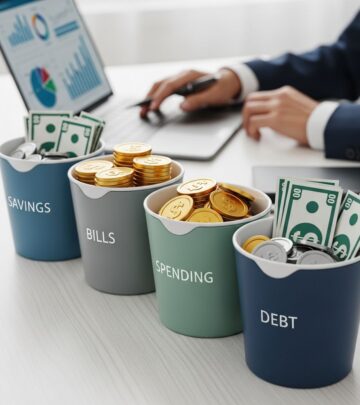
This does not mean you spend all your money. It means you decide in advance exactly how much will go to needs, savings, debt payments, and fun.
Steps to create a zero-based budget
- Write down your monthly income.
Include salary, side-hustle income, and any reliable inflows. - List your fixed expenses.
Rent or mortgage, utilities, insurance, minimum debt payments, and other regular bills. - Estimate variable essentials.
Groceries, gas or transit, and other needs that vary each month by a small amount. - Set your financial goals.
Decide how much you will contribute monthly to an emergency fund, retirement accounts, sinking funds, and extra debt payments. - See what is left.
After assigning money to needs, savings, and debt, the remaining amount becomes your pool for wants and fun money. - Decide your fun money number.
Choose a realistic amount from that remaining pool and label it clearly as “fun” in your budget. That amount is yours to spend freely.
Example of a zero-based budget with fun money
Imagine you bring in $3,000 per month after taxes. You might structure your zero-based budget like this:
| Category | Amount |
|---|---|
| Rent and utilities | $1,250 |
| Groceries and household needs | $400 |
| Transportation | $200 |
| Insurance and minimum debt payments | $300 |
| Savings (emergency fund, retirement, other) | $450 |
| Extra debt payments | $150 |
| Fun money | $150 |
| Other wants (subscriptions, small travel fund, etc.) | $100 |
| Total | $3,000 |
In this setup, your fun money is clearly separated and fully planned. You can spend that $150 however you wish, knowing that your bills, savings, and debt goals are already covered.
Tips To Make Fun Money Work For You
Once you know how much fun money you have, the next step is using it in a way that genuinely supports your well-being and goals.
Keep fun money separate and visible
- Use a separate checking account or prepaid card just for fun money.
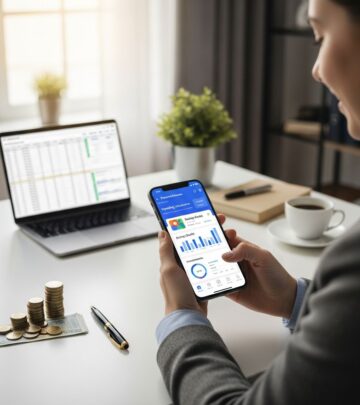
- Alternatively, keep a simple tracker in a budgeting app or spreadsheet labeled “Fun.”
- Stop spending from that category once you hit your limit for the month.
Having a clear boundary makes it easier to enjoy your spending without worrying that you are accidentally dipping into rent or savings money.
Align fun spending with your values
Fun money goes furthest when you spend it on what you truly value, rather than on autopilot purchases. Ask yourself:
- “Do I remember and enjoy this type of spending later?”
- “Does it add to my relationships, health, or personal growth?”
- “Would an experience bring me more joy than another item?”
Values-based spending is widely recommended in financial education because it helps people feel more satisfied with their money choices, even without increasing income.
Adjust the amount as your life changes
Your fun money number does not have to stay the same forever. You can:
- Lower it temporarily during debt payoff sprints or big savings pushes
- Increase it slightly once you hit certain milestones
- Shift between small monthly treats and saving up several months of fun money for a larger experience
The goal is not perfection; it is sustainability. As long as the rest of your budget remains healthy, you can tweak your fun spending to fit each season.
Frequently Asked Questions (FAQs)
Q: How much fun money should I have in my budget?
A: A common starting point is to include your fun money within about 30% of your take-home income that goes toward wants, following the 50/30/20 rule. If that is not realistic, even 1–5% of your income can work as long as your essentials, savings, and minimum debt payments are covered.
Q: Should I have fun money if I’m paying off debt?
A: Yes—just keep it reasonable. Cutting out every enjoyable expense can lead to burnout and overspending later. Many people find that a small, consistent fun money amount (even $20–$50 per month) helps them stay motivated while aggressively paying down debt.
Q: Is fun money the same as an emergency fund?
A: No. An emergency fund is reserved for unexpected, necessary expenses like medical bills, urgent car repairs, or temporary loss of income. Fun money is specifically for planned, non-essential spending that brings joy and can be skipped in a true emergency.
Q: What if my income is very limited—do I still need fun money?
A: When money is tight, your top priority should be covering housing, food, utilities, essential transportation, and minimum debt payments. But if possible, set aside even a very small amount for fun. Free or low-cost activities plus a tiny fun budget can still make a real difference in your mood and motivation.
Q: How do I avoid feeling guilty about using my fun money?
A: Remind yourself that this money was deliberately built into your budget after you accounted for savings, bills, and debt. As long as you stay within your fun money limit, spending it is part of your plan, not a failure.
Enjoy Your Guilt-Free Fun Money
Fun money is not a sign of financial weakness; it is a strategic tool that helps you stay consistent, protect your mental health, nurture your relationships, and build a financial plan you can actually stick with over time. By combining clear goals, smart budgeting methods like the 50/30/20 rule or zero-based budgeting, and intentional fun money, you can pursue financial freedom and enjoy your life along the way.
References
- Baumeister RF, Heatherton TF, Tice DM. Losing Control: How and Why People Fail at Self-Regulation. — Academic Press. 1994-05-15. https://doi.org/10.1016/C2009-0-22265-9
- Hoch SJ, Loewenstein GF. Time-inconsistent preferences and consumer self-control. — Journal of Consumer Research. 1991-03-01. https://doi.org/10.1086/208573
- Stress in America: Paying With Our Health. — American Psychological Association. 2015-02-04. https://www.apa.org/news/press/releases/stress/2014/stress-report.pdf
- Harvard Study of Adult Development. — Harvard Medical School. 2017-09-18. https://www.health.harvard.edu/newsletter_article/the-secret-to-better-health-build-strong-relationships
- Kasser T. Psychological need satisfaction, personal well-being, and ecological sustainability. — Ecopsychology. 2009-09-01. https://doi.org/10.1089/eco.2009.0025
- Warren E, Tyagi AW. All Your Worth: The Ultimate Lifetime Money Plan. — Free Press. 2005-03-01. https://catalog.loc.gov/vwebv/search?searchCode=LCCN&searchArg=2004056431
- Emergency Funds: Why They Matter and How to Build One. — Consumer Financial Protection Bureau. 2022-04-12. https://www.consumerfinance.gov/about-us/blog/emergency-savings-why-they-matter-how-to-build-them/
Similar Articles








Read full bio of medha deb