Why Whole Life Costs More Than Term Life
Discover the key reasons behind the premium gap between whole life and term life insurance, and learn which option aligns with your financial needs.

Whole life insurance commands significantly higher premiums than term life insurance primarily due to its lifelong coverage and built-in savings component. This article delves into the structural differences driving these costs, helping you evaluate options for your financial protection needs.
Understanding the Basics of Life Insurance Types
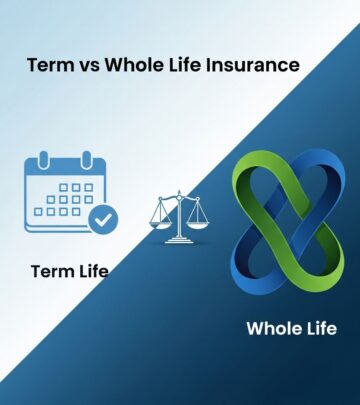
Life insurance serves as a financial safety net for loved ones, but policies vary widely in design and expense. Term life provides straightforward, temporary protection, while whole life offers enduring security with added investment features.
Term policies cover a defined period, such as 10, 20, or 30 years, delivering a death benefit only if the insured passes during that span.Whole life policies, conversely, remain active for the policyholder’s entire lifetime, provided premiums continue, and include a cash value that accumulates over time.
Coverage Duration: Temporary vs. Permanent Protection
The most fundamental distinction lies in how long each policy lasts. Term life insurance is temporary, expiring after the selected period without payout if the insured survives. This limited duration keeps costs low, as insurers face lower risk over a finite timeframe.
Whole life insurance guarantees coverage until death, eliminating renewal worries or coverage gaps. Insurers must eventually pay the death benefit, increasing their long-term liability and thus premiums. For instance, a 30-year term might suffice for mortgage protection, but whole life ensures protection beyond retirement.
The Cash Value Component: Savings Built into Premiums
Unlike term life, which offers pure death benefit protection without savings, whole life allocates part of each premium to a cash value account. This grows tax-deferred at a fixed rate, acting like a forced savings vehicle.
Policyholders can borrow against or withdraw from this cash value during life, though loans reduce the death benefit if unpaid. Building this feature demands higher upfront premiums to fund both insurance costs and investment growth, explaining much of the price disparity.
| Feature | Term Life | Whole Life |
|---|---|---|
| Premium Allocation | 100% to death benefit | Portion to cash value + insurance |
| Cash Access | None | Borrow/withdraw possible |
| Growth | No accumulation | Tax-deferred at fixed rate |
This table highlights how whole life’s dual purpose inflates costs compared to term’s single focus.
Premium Structure and Long-Term Costs
Term life premiums are notably lower, often making it the affordable choice for young families or those with temporary needs like child-rearing or debt payoff. However, renewal after term expiration can spike rates based on age and health.
Whole life features level premiums that stay constant regardless of age or health changes, providing payment predictability. While initially 5-10 times costlier than term for equivalent death benefits, this stability appeals to those seeking lifelong assurance without future hikes.
Underwriting and Eligibility Factors
Both policy types typically require medical exams, but whole life’s permanence demands thorough underwriting to assess lifelong risk. Some whole life variants, like final expense policies, skip exams for seniors, yet premiums remain elevated due to guaranteed payout.
Term policies offer flexibility, with options for conversion to permanent coverage later, often without new exams. This convertibility adds value but doesn’t bridge the initial cost gap.
Pros and Cons of Each Insurance Option
- Term Life Advantages: Budget-friendly premiums allow higher coverage amounts; ideal for specific life stages; simple and uncomplicated.
- Term Life Drawbacks: Expires without value; potential premium jumps on renewal; no living benefits.
- Whole Life Advantages: Lifetime protection; steady premiums; cash value for loans or emergencies; estate planning tool with tax-free payouts.
- Whole Life Drawbacks: High cost limits accessibility; less flexibility in term length; loans can erode benefits.
When Term Life Makes Financial Sense
For most people, term life aligns with peak financial responsibilities, such as raising children or paying off a home loan. Its low cost enables substantial coverage—say, $500,000 for pennies daily—without straining budgets.
Many “buy term and invest the difference,” using savings from lower premiums to build wealth separately, potentially outpacing whole life’s conservative cash growth.
Ideal Scenarios for Whole Life Insurance
Whole life suits high-net-worth individuals focused on estate planning, where tax-free death benefits bypass probate and fund inheritances or charities. It’s also valuable for those uninsurable later in life or seeking forced savings discipline.
Business owners might use it for key person insurance or buy-sell agreements, leveraging cash value for liquidity.
Real-World Cost Comparisons
Consider a healthy 35-year-old seeking $500,000 coverage. A 20-year term might cost $25 monthly, versus $300+ for whole life. Over decades, whole life totals far exceed term, but its cash value could return portions via loans or surrender.
Premiums vary by age, gender, health, and insurer, underscoring the need for personalized quotes.
Hybrid Approaches and Alternatives
Some opt for term with a rider for conversion, blending affordability and future permanence. Universal life offers flexible premiums with cash value, though with variable returns. Indexed universal life ties growth to market indices for potential upside over whole life’s guarantees.
Factors Influencing Your Choice
Assess your age, health, dependents, assets, and risk tolerance. Young parents often favor term; those with estates lean whole. Consult advisors to model scenarios, ensuring alignment with broader financial plans.
Frequently Asked Questions
Can I convert term life to whole life?
Yes, many term policies include conversion options within a set period, typically without new underwriting.
Does whole life cash value earn interest?
It grows at a guaranteed minimum rate, often 2-4%, tax-deferred.
Is term life better for most people?
Often yes, due to lower costs and sufficient temporary needs coverage.
What if I outlive my term policy?
Coverage ends; renew at higher rates or let lapse, depending on needs.
Are whole life premiums tax-deductible?
Generally no, as it’s personal insurance, not business-related.
Steps to Select the Right Policy
- Define coverage needs and duration.
- Compare quotes from multiple insurers.
- Evaluate health for best rates.
- Consider riders like accelerated death benefits.
- Review annually as life changes.
Choosing between term and whole life hinges on balancing cost, coverage permanence, and savings goals for optimal protection.
References
- Term vs. Whole Life Insurance: What’s the Difference? — Guardian Life. 2024. https://www.guardianlife.com/life-insurance/term-vs-whole
- Term vs. Whole Life Insurance: Key Differences — Progressive. 2024. https://www.progressive.com/answers/term-vs-whole-life-insurance/
- Term vs. Whole Life Insurance: Making the Choice — Mutual of Omaha. 2024. https://www.mutualofomaha.com/advice/life-insurance/types-of-life-insurance/term-vs-whole-life-insurance-making-the-choice
- Term Life vs. Whole Life Insurance: Key Differences — NerdWallet. 2024. https://www.nerdwallet.com/insurance/life/learn/term-vs-whole-life-insurance
- Term vs. Whole Life Insurance — Prudential. 2024. https://www.prudential.com/financial-education/term-vs-whole-life-insurance
- Term vs. Whole Life Insurance — TruStage. 2024. https://www.trustage.com/learn/life-insurance/term-vs-whole-life-insurance
- Term vs. Whole Life Insurance — Aflac. 2024. https://www.aflac.com/resources/life-insurance/term-vs-whole-life-insurance.aspx
Similar Articles








Read full bio of Sneha Tete