Why We Love Trader Joe’s: The Grocery Store Phenomenon
Discover the secrets behind Trader Joe's cult following and why millions choose it for grocery shopping.
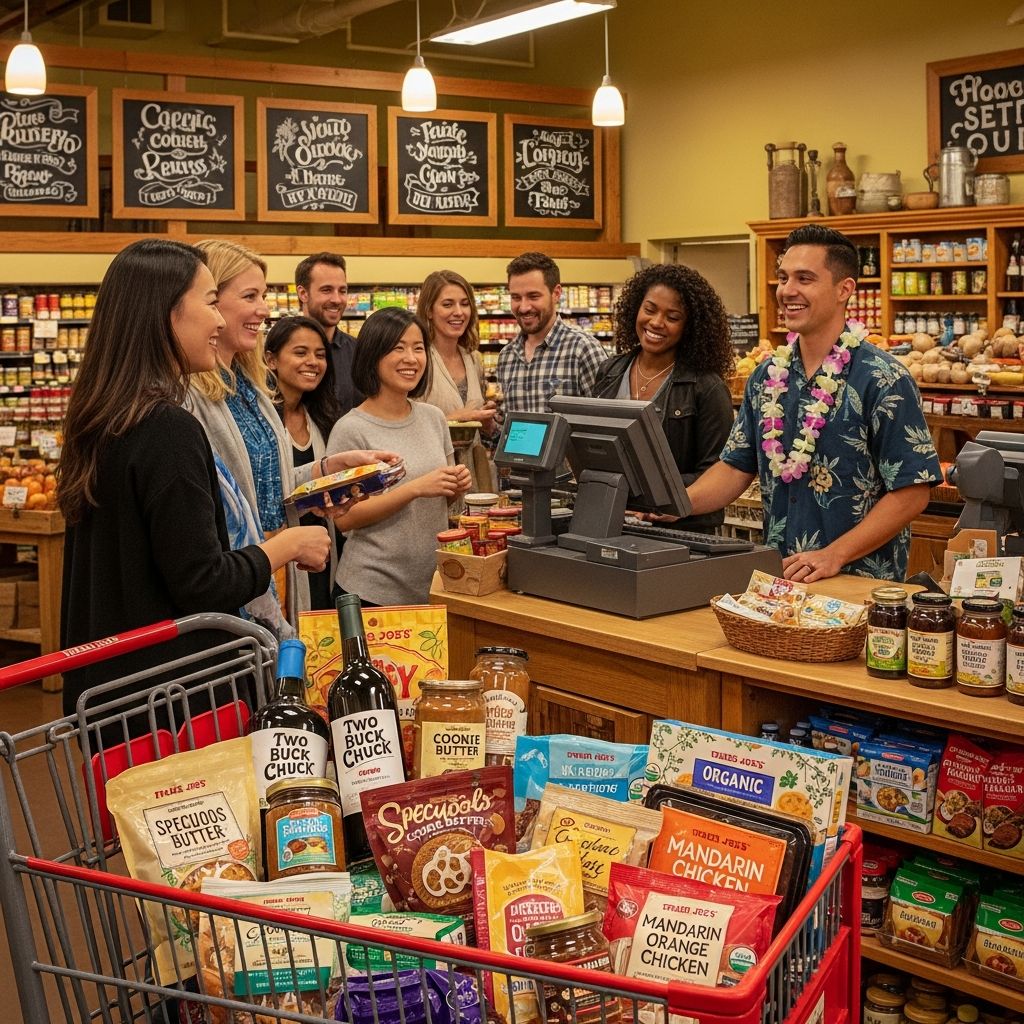
In an era of mega-stores and online shopping convenience, Trader Joe’s has cultivated something rare: a passionate, devoted customer base that genuinely enjoys shopping at their stores. With over 500 locations across the United States, Trader Joe’s has grown from a small Pasadena convenience store into a cultural phenomenon. Yet despite its massive expansion, the chain has maintained what many larger competitors have lost—a neighborhood market feel that keeps customers coming back week after week.
The Unbeatable Pricing Strategy
One of the most compelling reasons customers flock to Trader Joe’s is straightforward: affordability without compromise. The store has mastered a pricing philosophy that defies conventional grocery retail logic. Unlike competitors that run constant sales, promotions, and clearance events, Trader Joe’s maintains consistent, fair prices throughout the year and across most regions of the country.
The secret to these low prices lies in their operational strategy. Approximately 80 percent of Trader Joe’s products are store-brand or private label items. By sourcing directly from suppliers and eliminating middlemen in the supply chain, Trader Joe’s reduces costs significantly. Additionally, the company invests minimally in traditional advertising, relying instead on word-of-mouth marketing and customer loyalty. Their smaller store footprint—typically around 10,000 to 12,000 square feet compared to conventional grocery stores—means lower operational costs for utilities, staffing, and inventory management.
Famous examples of their budget-friendly pricing include organic wine available for as little as four dollars per bottle, affordable organic produce, and competitively priced specialty items. Customers appreciate that they don’t need to clip coupons, monitor sales, or wait for promotional events. The price you see is the price you pay, every single day.
Unique and Innovative Private Label Products
While low prices draw customers in, innovative private label products keep them loyal. Trader Joe’s has built a reputation for creating distinctive, high-quality items that you cannot find anywhere else. These aren’t just generic store-brand knockoffs; they’re carefully curated, often award-winning products that have become legendary among shoppers.
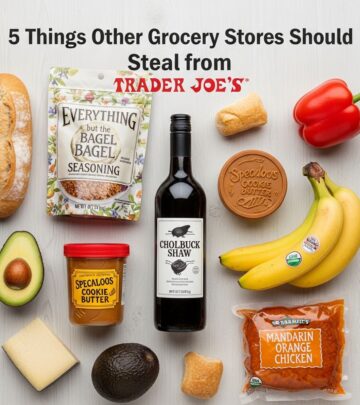
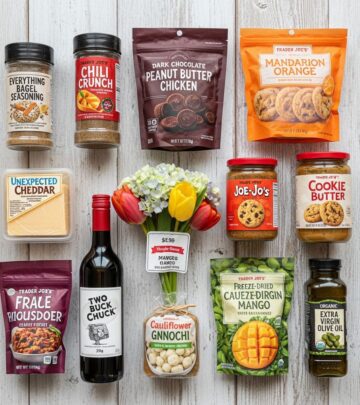
Some of the most iconic Trader Joe’s products include the famous Mandarin Orange Chicken, Unexpected Cheddar cheese (with its distinctive label describing “tastes like an aged premium cheddar with a hint of Parmesan”), Cookie Butter, Everything But the Bagel seasoning, and Cauliflower Gnocchi. These products are so sought-after that some customers resell them online at premium prices when they’re unable to visit stores in person. The company dedicates significant effort to product innovation, rolling out new seasonal items regularly, particularly during the holiday season from September through December, featuring pumpkin spice, maple, ginger, and peppermint-flavored variations.
The frozen food section deserves special mention. Trader Joe’s offers an unrivaled frozen selection with dozens of premade international meals, from Cacio e Pepe and Kung Pao Chicken to Palak Paneer and Chimichurri Chicken Thighs. These ready-to-heat options appeal to busy professionals and small households seeking restaurant-quality meals at a fraction of the cost.
Global Flavors and Culinary Diversity
Trader Joe’s founding concept, inspired by the tiki bar aesthetic and travel culture of the 1960s, was to bring international cuisine into the American home. Founder Joe Coulombe envisioned customers discovering unique, globally-inspired foods they couldn’t find at conventional supermarkets. This mission remains central to the brand’s identity.
The store’s international product selection is remarkable: Beef Bulgogi, Chicken Tikka Masala, Scallion Pancakes, Steamed Soup Dumplings, and Chocolate Croissants represent just a fraction of their global offerings. Shoppers can travel the culinary world from their kitchens, exploring flavors from Asia, Europe, Latin America, and beyond. This commitment to global food culture sets Trader Joe’s apart from competitors and creates excitement around shopping trips, as customers never know what new international specialties will appear on shelves.
The Neighborhood Market Experience
Despite operating over 500 stores nationwide, Trader Joe’s has achieved something competitors struggle with: maintaining a local neighborhood market feel. The chain deliberately keeps stores smaller than industry standards, creating an intimate shopping environment that feels personal rather than overwhelming.
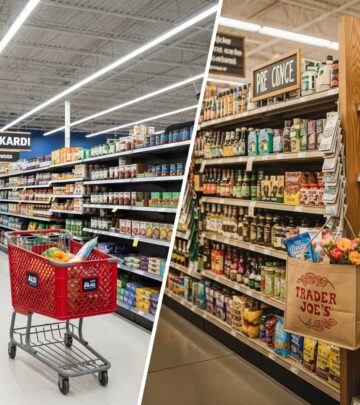
This design philosophy contrasts sharply with mega-stores like Walmart and Costco, which prioritize volume and selection above all else. At Trader Joe’s, the experience is intentionally curated and manageable. The stores are designed to be inviting and enjoyable, with a focus on creating a fun atmosphere. Many customers describe shopping at Trader Joe’s not as a chore but as an experience. Stay-at-home parents bring their children to roam the aisles and enjoy free samples. The lack of chaos and overwhelming crowds found in superstores creates a sense of comfort and belonging.
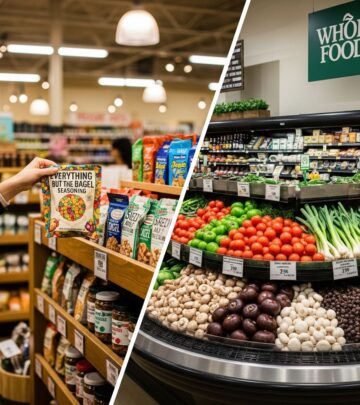
The store’s commitment to this neighborhood aesthetic extends to product selection. You won’t find massive quantities of national brands like Tostitas or Coca-Cola crowding shelves. Instead, even basic staples like tortilla chips and sparkling water are Trader Joe’s private label items, reinforcing the local market experience while maintaining affordability.
Exceptional Employee Culture and Customer Service
A critical factor in Trader Joe’s success is its employee-centric culture. According to Trader Joe’s President Brian Paulbaum, being an outgoing and friendly person is a literal job requirement for crew members. The company has deliberately created a work environment where employees seem to genuinely enjoy their jobs, which directly translates to superior customer service.
Trader Joe’s employees are empowered to make decisions that enhance customer experience. If you’re curious about a product and want to try before buying, a crew member will open a package right there in front of you. This level of customer accommodation is nearly unheard of in modern grocery retail. The Hawaiian shirt-wearing crew members have become iconic, representing the brand’s fun, approachable personality.
In 2019, Forbes Magazine named Trader Joe’s one of the best companies to work for in America, validating the company’s commitment to employee satisfaction. This focus on workplace culture creates a positive feedback loop: happy employees provide excellent service, which creates a pleasant shopping experience, which builds customer loyalty.
Community Commitment and Social Responsibility
Beyond shareholder returns, Trader Joe’s demonstrates genuine commitment to community welfare. The company partners with Feeding America and donates products to local food banks. Notably, Trader Joe’s donates every product that passes its freshness date to local food banks rather than disposing of them, a practice that significantly impacts food security in communities across the country.
This approach to corporate social responsibility resonates with customers who appreciate supporting a business that prioritizes community needs. When customers learned about the company’s founder’s historical background and other corporate practices, rather than feeling betrayed, many remained loyal because the company’s core strengths—enjoyable shopping experience, low prices, and community engagement—were too valuable to abandon.
The Power of Word-of-Mouth and Community Building
Trader Joe’s has built a devoted customer base through an unconventional marketing strategy. Rather than investing heavily in traditional advertising, the company relies on word-of-mouth marketing, social media engagement, and the shopping experience itself to drive loyalty. On social platforms, Trader Joe’s creates content that resonates authentically with audiences, often featuring user-generated content, polls, and questions that invite customers to share experiences.
The brand maintains high-quality visuals and clever copywriting that humanize the company. Customer-centric social media engagement—where the company frequently responds to comments and addresses concerns—builds trust and encourages ongoing interaction. This authentic approach to community building has created a passionate fanbase that voluntarily advocates for the brand online and offline.
A Business Model That Works Without Compromise
Notably, Trader Joe’s does not offer online shopping, curbside pickup, or delivery services—practices nearly standard for national grocers in the tech-driven age. This deliberate choice reinforces the philosophy that “the store is our brand.” By requiring customers to visit physically, Trader Joe’s ensures that consumers experience the full environment: the neighborhood feeling, the product discovery, the friendly employees, and the exciting sampling opportunities.
This counterintuitive strategy works because Trader Joe’s has mastered customer experience in ways that transcend logistical convenience. People don’t shop at Trader Joe’s solely because it’s efficient; they shop there because it’s enjoyable. The company understands that some shopping experiences are worth the inconvenience of visiting in person.
Frequently Asked Questions
Q: Why is Trader Joe’s so much cheaper than other grocery stores?
Trader Joe’s maintains low prices by sourcing directly from suppliers, avoiding middleman markups, selling primarily private label products, minimizing advertising spending, and operating smaller stores with lower operational costs. These combined factors allow everyday low pricing without relying on sales or promotions.
Q: What makes Trader Joe’s private label products special?
Trader Joe’s private label products are meticulously curated, innovative, and often unavailable elsewhere. The company invests in product development to create distinctive items that reflect global culinary traditions while maintaining affordability. Many products have become legendary among shoppers.
Q: Does Trader Joe’s have good quality products despite low prices?
Yes. Trader Joe’s reputation for quality is well-established. The company focuses on sourcing high-quality items and has won numerous consumer surveys recognizing it as “America’s Favorite Grocery Store.” Quality and affordability are not mutually exclusive in their business model.
Q: Why doesn’t Trader Joe’s offer online ordering or delivery?
Trader Joe’s intentionally keeps shopping in-store to maintain the neighborhood market experience that is central to its brand. The company believes the store environment itself—the unique products, friendly staff, and community feeling—are essential to customer satisfaction.
Q: How does Trader Joe’s treat unsold products?
Trader Joe’s donates products that pass freshness dates to local food banks rather than disposing of them. This commitment to community welfare and food security reflects the company’s values beyond profit maximization.
References
- Why Americans are OBSESSED with Trader Joe’s — YouTube. Accessed January 12, 2026. https://www.youtube.com/watch?v=_Sig67tKS60
- 20 Reasons Why Trader Joe’s Is Awesome — It’s Jolene. https://itsjolene.com/20-reasons-why-trader-joes-is-awesome/
- Trader Joe’s Marketing Strategy: Analyzing the Success — Contact Pigeon Blog. https://blog.contactpigeon.com/trader-joes-marketing-strategy/
- 14 Reasons Trader Joe’s Is Better Than Other Grocery Stores — Eat This. https://www.eatthis.com/reasons-trader-joes-better-than-other-grocery-stores/
- Inside Trader Joe’s: The Genius Strategy Behind Its Cult Following — YouTube. Accessed January 12, 2026. https://www.youtube.com/watch?v=v8c2cBn_QcI
Similar Articles








Read full bio of Sneha Tete