Why Use Credit Cards for Most Purchases
Discover key advantages of paying with credit cards over cash or debit, from rewards to security and credit building.
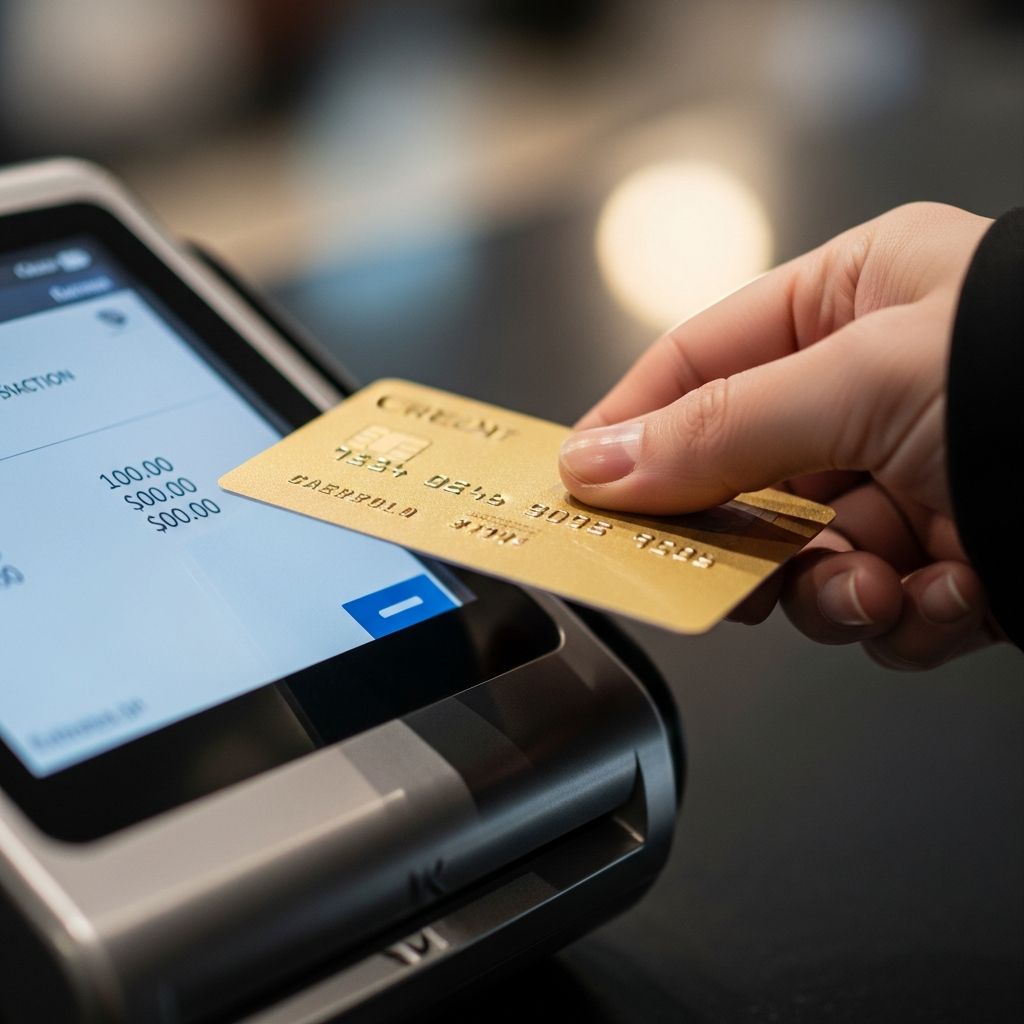
Opting for credit cards over cash or debit for routine transactions unlocks a range of financial perks that can enhance your money management. When handled with discipline, these plastic alternatives provide rewards, protection, and tools for better financial health.
Unlocking Everyday Rewards from Your Spending
Credit cards transform ordinary purchases into opportunities for gains through integrated rewards programs. Many issuers offer cash back, points, or travel miles on eligible spending, effectively returning a portion of your money without extra effort.
For instance, cards tailored to specific habits might provide elevated rates on groceries, gas, or dining, turning weekly shopping into tangible savings. If you pay balances fully each month, these incentives become free extras on expenditures you would make anyway.
- Cash back typically ranges from 1% to 5% depending on categories and card terms.
- Points or miles redeem for travel, merchandise, or statement credits, adding flexibility.
- Bonus offers upon signup can yield hundreds in value after meeting spending thresholds.
Selecting a card matching your lifestyle maximizes returns. Frequent travelers benefit from airline-linked options, while household spenders thrive with supermarket bonuses. Annual fees, if present, often offset by perks when utilized properly.
Superior Safeguards Against Fraud and Loss
One standout benefit is the robust security framework credit cards provide, far exceeding cash or even debit alternatives. Issuers enforce zero-liability policies for unauthorized charges, capping your risk at nothing if reported promptly.
Debit cards tie directly to your bank account, potentially exposing funds until resolved, whereas credit acts as a buffer. Technologies like EMV chips, contactless payments, and virtual numbers further shield data during transactions. Digital wallets such as Apple Pay add encryption layers for in-store and online use.
| Payment Method | Fraud Liability | Additional Protections |
|---|---|---|
| Credit Card | $0 (zero liability) | Chips, virtual numbers, purchase insurance |
| Debit Card | Up to full amount if not reported fast | Limited dispute options |
| Cash | 100% loss if stolen | None |
Online shopping, increasingly common, benefits immensely from these features, as cards often include buyer assurances absent in other methods. Travel reservations and large buys gain extended warranties or trip protections on premium cards.
Building a Stronger Financial Foundation
Consistent, responsible credit card use contributes significantly to credit score improvement. On-time payments and low utilization ratios signal reliability to lenders, opening doors to favorable loan terms, lower rates, and premium products.
Unlike debit or cash, which leave no credit trail, cards foster history. Starting small and scaling builds depth over time. Aim for utilization under 30%—paying early in the cycle helps without waiting for statements.
- Payment history weighs 35% of FICO scores.
- Mix of credit types bolsters profiles.
- Longer average account age enhances standing.
This foundation aids mortgages, auto loans, and rentals, potentially saving thousands in interest over lifetimes.
Effortless Monitoring and Budget Control
Credit card portals and apps deliver real-time insights into spending patterns, simplifying budgeting far beyond manual cash tracking. Categorize expenses automatically—groceries, entertainment, utilities—for clear overviews.
Monthly statements detail merchants, dates, and amounts, aiding tax prep or reimbursements. Alerts for large purchases or nearing limits prevent oversights. Export data integrates with tools like spreadsheets for custom analysis.
Recurring bills streamline via autopay, ensuring timeliness while earning rewards on subscriptions or utilities. Spot trends, like rising dining costs, to adjust habits proactively.
Extra Perks That Add Real Value
Beyond basics, many cards bundle insurances and guarantees amplifying worth. Purchase protection covers damage/theft on new items; extended warranties double manufacturer coverage.
Travel benefits include baggage delay reimbursements, rental car insurance, or lounge access. Cellphone protection or streaming credits appear on select options. These often rival standalone policies’ costs.
- Primary auto rental coverage saves $10-20/day on insurance.
- Return protection refunds ineligible items up to $300-500.
- ShopRunner or concierge services for elite tiers.
Pair with debt strategies like 0% intro APR for big buys or balance transfers to manage cash flow wisely.
Strategies for Responsible Usage
To reap benefits sans pitfalls, treat cards as debit equivalents: charge only affordable amounts, pay in full monthly. Autopay full balances avoids interest traps—APR averages exceed 20%.
Multiple cards diversify rewards without hiking utilization if managed. Review statements weekly; freeze cards in apps when unused. Credit limit increases, requested judiciously, lower ratios.
| Best Practice | Benefit |
|---|---|
| Pay full balance monthly | Avoids interest, maximizes rewards |
| Keep utilization <30% | Boosts credit score |
| Choose no-fee or offset-fee cards | Net positive value |
| Monitor via app | Prevents fraud, controls spending |
Common Pitfalls and How to Avoid Them
Minimum payments lure into debt cycles; always target full payoff. Rewards temptation may spur unnecessary buys—stick to planned spending. High-fee cards erode gains; compare total value annually.
Store cards often carry higher APRs—limit to trusted issuers. Freezing credit prevents identity theft impacts on new accounts.
Choosing the Ideal Card for Your Needs
Assess spending: high grocery? Supermarket bonus. Travel? Miles accrual. Flat cash back suits simplicity. Tools like comparison sites reveal matches sans fees.
Students or beginners start basic no-annual-fee options building history. Upgraders chase signups then downgrade post-bonus.
FAQs
Is it safe to use credit cards for online purchases?
Yes, zero-liability and encryption make them safer than debit, with easy disputes.
Can credit cards help with budgeting?
Absolutely—detailed tracking and categories reveal patterns for better control.
What if I can’t pay my balance in full?
Pay minimums to avoid penalties, but prioritize payoff to dodge high interest.
Do all cards offer rewards?
No, but most popular ones do; select based on spending for maximum return.
How does using a credit card build credit?
Timely payments and low balances demonstrate responsibility to scoring models.
Final Thoughts on Maximizing Card Potential
Integrating credit cards thoughtfully elevates finances through compounded advantages. Rewards fund vacations, security provides peace, tracking enforces discipline, and credit growth secures futures. Discipline ensures these tools serve rather than ensnare.
References
- Why Should I Use a Credit Card for Purchases? — Citi. 2023. https://www.citi.com/credit-cards/money-management/reasons-to-use-credit-card-for-purchases
- Smart Spending: The Benefits of Using a Credit Card Wisely — ConnectCU. 2023. https://www.connectcu.org/index.php/blog/211-smart-spending-the-benefits-of-using-a-credit-card-wisely
- Pros and Cons of Credit Cards — Discover. 2023. https://www.discover.com/credit-cards/card-smarts/pros-of-credit-cards-vs-cash/
- 5 Benefits of Using Your Credit Card for All Purchases — Citizens Bank. 2023. https://www.citizensbank.com/learning/why-these-people-use-credit-cards-for-everything.aspx
- 10 Advantages of Credit Cards — SoFi. 2023. https://www.sofi.com/learn/content/advantages-of-credit-cards/
- Benefits of Responsible Credit Card Usage — Chase Bank. 2023. https://www.chase.com/personal/credit-cards/education/basics/benefits-of-using-credit-card-responsibly
Similar Articles








Read full bio of medha deb