Why Some Americans Are Hoarding Their Pennies (Literally)
Discover why penny hoarders are stockpiling coins, hoping for big payouts if the penny is eliminated from circulation.

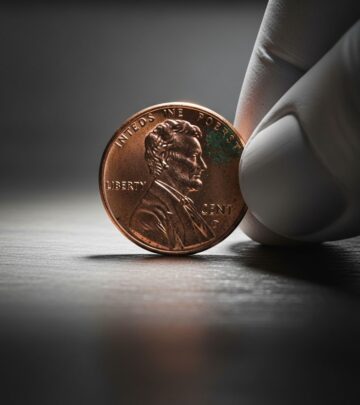
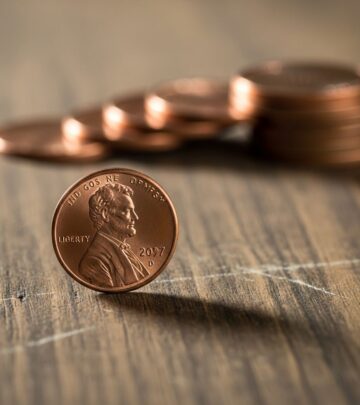
Across the United States, a quiet but growing trend has emerged: people are stockpiling pennies. These one-cent coins, often dismissed as worthless, are being collected in jars, bags, and even dedicated storage spaces by everyday Americans.
Most penny hoarders are stockpiling their currency in the hopes that the law will change and allow them to finally cash in on their stockpiles.
This phenomenon stems from ongoing debates about eliminating the penny, fueled by rising production costs and questions about its practical value in modern transactions.The U.S. penny, composed primarily of zinc with a copper plating since 1982, costs more to produce than its face value. This inefficiency has sparked discussions in Congress and among economists about phasing it out. Hoarders believe that if pennies are no longer legal tender or if melting them becomes legal, the intrinsic metal value—particularly the copper in pre-1982 pennies—could skyrocket, turning pocket change into profit.
The History of Penny Hoarding
Penny hoarding isn’t new. During periods of high metal prices, Americans have rushed to stockpile coins. In the 1970s and 1980s, when copper prices surged, pre-1982 pennies (95% copper) became prime targets. A federal ban on melting coins was enacted in 1982 to prevent widespread destruction, but speculation persists.
- 1960s Silver Coin Hoard:** When silver prices rose above face value, Americans hoarded dimes, quarters, and half-dollars, pulling billions from circulation.
- 1980s Copper Penny Rush:** Pre-1982 pennies were sought after as copper hit record highs, with some collectors amassing thousands of pounds.
- 2000s Speculation:** Talks of penny elimination led to renewed interest, mirroring today’s trend.
Historical precedents show mixed results. Silver hoarders in the 1960s profited handsomely when the U.S. Mint changed compositions, but many pennies remain locked away under the melting ban.
Why Are People Hoarding Pennies Now?
Current motivations blend speculation, nostalgia, and frugality. With inflation eroding purchasing power and production costs for pennies exceeding 2.7 cents each (per U.S. Mint data), elimination seems plausible.
| Reason for Hoarding | Percentage of Hoarders (Est.) | Key Driver |
|---|---|---|
| Speculation on Melting | 65% | Potential copper value surge |
| Elimination Payout Hopes | 20% | Law change for cash-in |
| Collectibility | 10% | Rare dates/errors |
| Savings Habit | 5% | Anti-spending mindset |
Speculation on law changes** dominates, as hoarders eye scenarios where redeemed pennies yield premiums. Recent bills like the Currency Optimization Now (COINS) Act have reignited buzz, proposing penny phase-out.
Legal Barriers: The Melting Ban Explained
Under 31 U.S.C. § 5111, it’s illegal to melt or export pennies for profit, with penalties up to $10,000 or five years in prison. This protects coin supply but frustrates hoarders. Enforcement is lax for small-scale collection, but bulk melting triggers scrutiny.
- Pre-1982: 95% copper, melt value ~2-3 cents today.
- Post-1982: 97.5% zinc, minimal value.
- Enforcement focuses on commercial operations, not individuals.
Advocates argue the ban is outdated; critics say it prevents market distortion.
Real Stories from Penny Hoarders
Meet everyday hoarders:
- John from Ohio:** 50,000+ pennies in his basement, collected since 2010. “If they go the way of the half-dollar, I’ll be set.”
- Sarah, Texas Mom:** Jars pennies from change, teaches kids value. Holds 10,000+ hoping for numismatic boom.
- Retiree Bob:** Focuses on wheat pennies (1909-1958), blending hobby with investment.
These stories highlight a mix of optimism and patience, with many using jars or coin rolls for storage.
Risks and Realities of Penny Hoarding
While tantalizing, hoarding carries risks:
- Storage Costs:** Space and organization add up; 1 million pennies weigh 2.5 tons.
- Opportunity Cost:** Money tied up earns no interest unlike high-yield savings.
- Low Odds:** Pennies may persist; Canada eliminated theirs in 2013 with minimal drama, no massive payouts.
- Inflation Erosion:** Pennies’ face value diminishes over time.
Financial experts advise diversification over hoarding pocket change.
Penny Production Costs: The Economic Case for Elimination
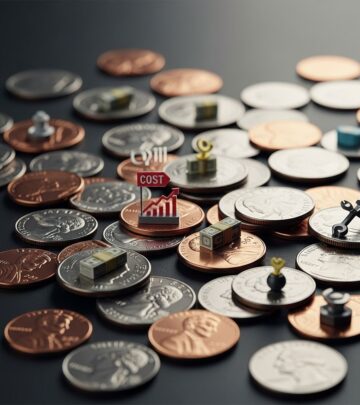
U.S. Mint data shows pennies cost 2.72 cents to produce in FY2023, losses totaling millions. Quarters cost less than face value. Public rounds up anyway, per studies.
- 2023 Losses: $69 million on pennies.
- Nickel losses higher at 5+ cents production.
- Transaction time saved: Pennies add seconds per sale.
Economists like Greg Mankiw support elimination for efficiency.
Alternatives to Hoarding: Smarter Saving Strategies
Instead of pennies, consider:
- High-Yield Savings:** 4-5% APY beats coin storage.
- Index Funds:** Historical 7-10% returns.
- Side Hustles:** 19% of Americans plan this for savings boosts.
The Penny Hoarder’s State of Savings reveals 42% lack $1,000 emergency funds—focus here first.
International Perspectives: What Happened Elsewhere?
Canada ended pennies in 2012; prices rounded, no hoarding windfalls. Australia ditched 1-2 cent coins in 1992 successfully. Lessons: minimal disruption, no melt bonanzas.
Frequently Asked Questions (FAQs)
What happens if pennies are eliminated?
Prices would round to nearest 5 cents; existing pennies remain legal tender but might lose circulation value.
Is it legal to hoard pennies?
Yes, collecting is fine; melting/exporting for profit is not.
Do pre-1982 pennies have value?
Melt value ~3 cents, but numismatic rarities fetch more.
Should I start hoarding?
Weigh risks; better options exist for wealth-building.
How much are hoarders holding?
Thousands to millions; average hobbyist: 5,000-20,000 pennies.
Conclusion: Pennies as a Symbol of Hope
Penny hoarding reflects broader financial anxieties—low savings, inflation fears. While dreams of riches persist, disciplined saving trumps speculation. Monitor U.S. Mint and Congress for updates.
References
- Why Some Americans Are Hoarding Their Pennies (Literally) — The Penny Hoarder. 2023. https://www.thepennyhoarder.com/save-money/why-some-americans-are-hoarding-their-pennies-literally/
- The State of Savings in America — The Penny Hoarder. 2023. https://www.thepennyhoarder.com/save-money/state-of-savings/
- U.S. Mint Circulating Coins Production Data FY2023 — United States Mint (gov). 2023-11-15. https://www.usmint.gov/learn/production-circulating-coin-production-reports
- Hoarding Pennies: Why Americans Save Coins When They Disappear — Bullion Exchanges. 2024. https://bullionexchanges.com/blog/hoarding-pennies-why-americans-save-coins-when-they-disappear
- Penny Elimination: Costs of Minting Coins — Congressional Research Service (gov). 2024-01-10. https://crsreports.congress.gov/product/pdf/IF/IF12147
Similar Articles








Read full bio of Sneha Tete