Why Certain Websites Skip CVV for Payments
Discover the reasons behind optional CVV checks, payment security layers, and tips to shop safely online without always entering this code.
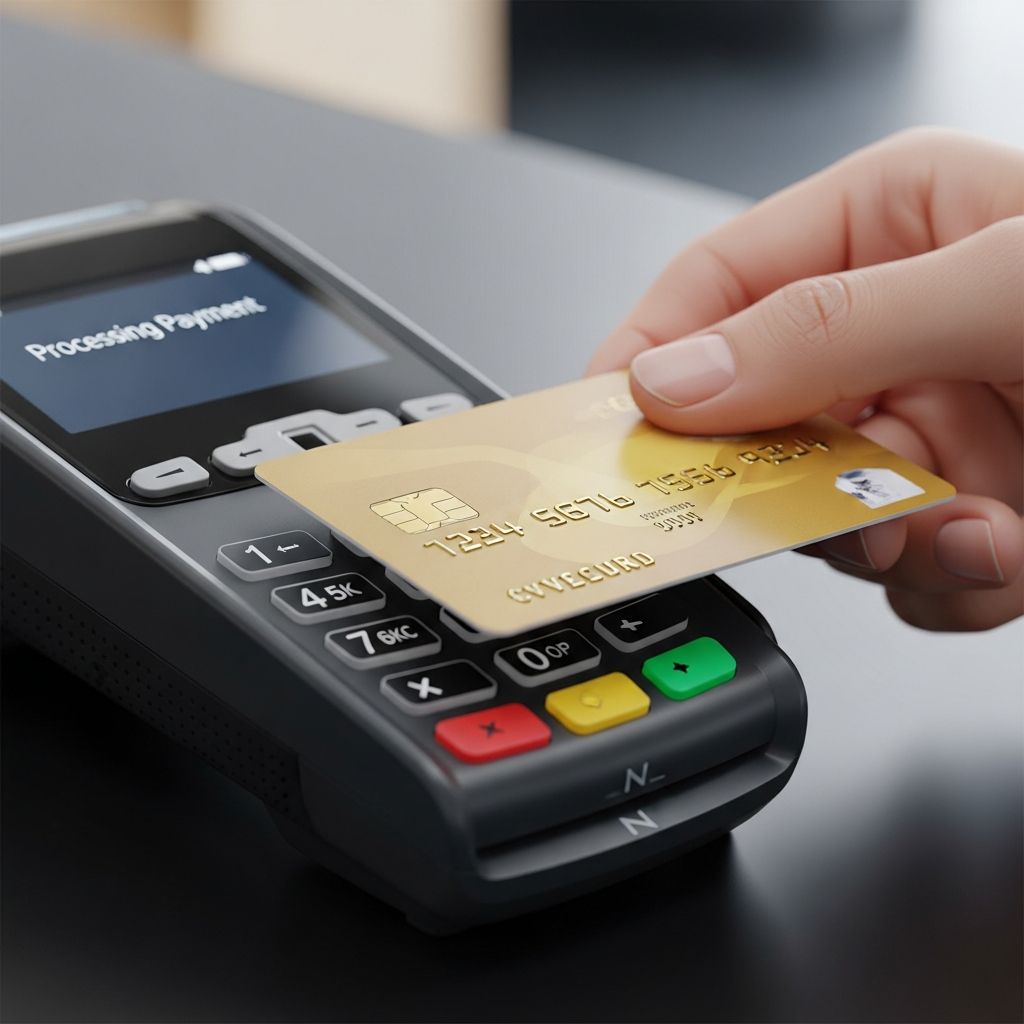
The Card Verification Value (CVV), a small numeric code on credit and debit cards, acts as a key safeguard for online transactions where the physical card isn’t present. Yet, not every website prompts users to input this detail during checkout. This variation stems from merchant configurations, payment processor rules, regional standards, and alternative fraud prevention tools that provide equivalent or stronger protections.
Understanding the CVV: Your Card’s Hidden Shield
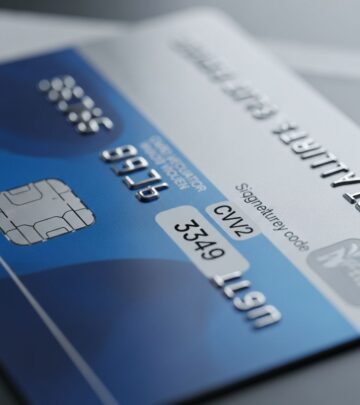
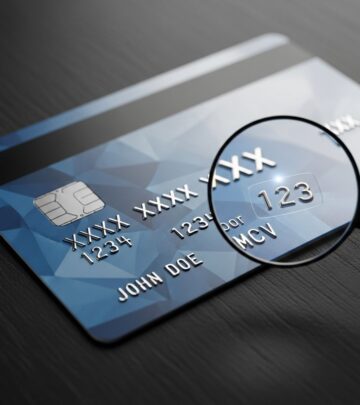
CVV, also called CVV2, CVC2, or CID depending on the card network, is a 3- or 4-digit code designed to confirm possession of the physical card. For Visa, Mastercard, and Discover cards, it’s typically a three-digit number on the back near the signature panel. American Express places a four-digit version on the front above the account number.
This code isn’t stored on the card’s magnetic stripe or chip, making it harder for thieves to obtain from skimmed data. Card issuers generate it using an algorithm that factors in the primary account number, expiration date, and a secret encryption key, ensuring uniqueness per card.
During a transaction, merchants send the CVV to the issuer for validation alongside the card number and expiry. A match approves the purchase; a mismatch triggers decline. Post-authorization, rules from networks like Visa and Mastercard prohibit merchants from storing CVVs, minimizing breach risks.
Core Reasons Websites Opt Out of CVV Requests
Merchants balance security with user experience. Requesting CVV adds friction—users must flip their card or memorize the code—which can lead to cart abandonment. Here’s why some skip it:
- Reliance on Other Verification Layers: Many use Address Verification Service (AVS), which cross-checks billing address and ZIP code against issuer records. AVS responses range from full matches (Y or X) to partial (Z for ZIP, A for address) or none (N), providing fraud signals without CVV.
- Tokenization and Advanced Gateways: Payment processors replace card details with single-use tokens, rendering CVV redundant since stolen tokens can’t be reused elsewhere.
- Trusted Customer Profiles: For returning buyers with verified histories, sites may waive CVV to speed repeat purchases, relying on device fingerprinting, IP analysis, and purchase patterns.
- Regulatory and Regional Differences: In regions like Europe under PSD2, Strong Customer Authentication (SCA) mandates biometrics or one-time passwords, often superseding CVV. U.S. merchants have flexibility under PCI DSS if other controls suffice.
- Low-Risk Transactions: Small-amount or digital goods purchases might bypass CVV if fraud models deem risk minimal.
Payment Processor Responses and Merchant Choices
Processors return standardized codes for AVS and CVV checks. For instance, AVS ‘U’ means the issuer doesn’t support it, common with prepaid cards. Merchants set rules: some require CVV for all card-not-present (CNP) sales, others only for high-risk ones like international orders or address mismatches.
Table comparing common verification methods:
| Method | Description | Strengths | Locations Used |
|---|---|---|---|
| CVV/CVC2/CID | 3-4 digit code verifying card possession | Proves physical access; quick check | Back (most cards); Front (Amex) |
| AVS | Address/ZIP match check | Filters stolen card numbers | Billing details input |
| 3D Secure | Network protocols (Verified by Visa, Mastercard SecureCode) | One-time passwords or biometrics | During checkout |
| Tokenization | Replaces card data with tokens | Eliminates reuse risk | Backend processing |
Merchants configure gateways to prioritize speed or security. High-volume sites like subscriptions often skip CVV after initial setup.
Fraud Prevention Beyond CVV: Modern Strategies
CNP fraud constitutes 73% of U.S. card payment fraud, pushing innovations. Key alternatives include:
- 3D Secure 2.0: Adds risk-based authentication, often invisible for low-risk buys, using data like device ID and behavior.
- Device Intelligence: Tracks fingerprints (browser type, screen resolution) to flag anomalies.
- Velocity Checks: Monitors transaction frequency per card or IP.
- SSL/TLS Encryption: Secures data in transit; CVV transmission must use this.
For refunds or account updates, some verify CVV to confirm legitimacy. Real-time checks during checkout are standard; post-check collection violates PCI rules.
Risks of Skipping CVV and When It’s Safe
Without CVV, fraudsters with stolen card numbers (from data breaches) can transact if AVS passes. However, layered defenses mitigate this: a 2023 study showed multi-factor checks reduce chargebacks by up to 60%. Low-risk indicators—matching AVS, familiar devices—allow safe skips.
Consumers face higher dispute risks on non-CVV sites, but chargeback protections apply universally.
Merchant Guidelines for CVV Implementation
PCI DSS mandates secure handling but doesn’t require CVV for all transactions. Best practices:
- Always verify for high-risk: large sums, new customers, cross-border.
- Never store CVV post-auth.
- Use iframes for forms to avoid handling sensitive data.
- Combine with machine learning fraud scores.
Consumer Tips for Secure Shopping Anywhere
Even on non-CVV sites:
- Enable transaction alerts from your issuer.
- Use virtual card numbers or digital wallets (Apple Pay, Google Pay) that tokenize automatically.
- Check for HTTPS and padlock icons.
- Monitor statements weekly.
- Report suspicious activity immediately.
For CVV entry, locate it correctly: back for most, front for Amex.
Frequently Asked Questions
What if a site doesn’t ask for CVV—is it unsafe?
Not necessarily; they likely use AVS, 3DS, or tokens. Assess site reputation and use trusted methods.
Can merchants store my CVV?
No, PCI rules forbid it after authorization.
Why do some cards have 4-digit CVV?
American Express uses CID, a 4-digit code on front for added security.
Does CVV work for debit cards?
Yes, same locations and process as credit.
How does AVS differ from CVV?
AVS verifies address; CVV confirms card possession. Both combat CNP fraud.
Future of Online Payment Security
Trends point to passwordless auth: biometrics, FIDO standards, and embedded payments in apps. CVV will persist as a fallback but fade with phasing of magnetic stripes. Issuers push contactless and token defaults for everyday use.
In summary, CVV absence reflects evolved ecosystems prioritizing frictionless security. Stay vigilant, layer protections, and shop confidently.
References
- AVS & CVV Meaning: Verification Basics Explained — Sift. Accessed 2026. https://sift.com/resources/trust-and-safety-university/avs-cvv2/
- Card Verification Value CVV | Payments Glossary — Nexio. Accessed 2026. https://nex.io/payments-glossary/card-verification-value-cvv/
- Credit Card CVV: What It Is & Why It’s Important — IDFC FIRST Bank. Accessed 2026. https://www.idfcfirst.bank.in/finfirst-blogs/credit-card/cvv
- Understanding CVV On Credit Cards: Guide To Safe Transactions — RapidCents. Accessed 2026. https://rapidcents.com/blog/payments/demystifying-the-cvv-on-credit-cards-what-you-need-to-know/
- What Is CVV Code? A Guide on Card Verification — PayCompass. Accessed 2026. https://paycompass.com/blog/cvv/
- What is a CVV Number and How Do I Find It? — CVVNumber.com. Accessed 2026. https://www.cvvnumber.com
Similar Articles








Read full bio of medha deb