Why Your Mortgage Payment Increased
Discover the key factors behind rising mortgage payments and practical steps to manage unexpected increases in 2026.
Mortgage payments can unexpectedly rise due to several factors beyond borrower control, such as fluctuating interest rates, changes in property taxes, homeowners insurance premiums, and escrow account adjustments. In 2026, with mortgage rates hovering around 6.22% amid persistent inflation and geopolitical tensions, many homeowners are noticing higher monthly obligations.
Understanding the Components of Your Monthly Mortgage Bill
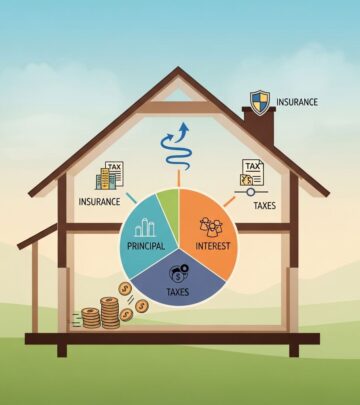
A standard mortgage payment, often called PITI, includes principal, interest, taxes, and insurance. While principal and interest portions depend on your loan terms, taxes and insurance are recalculated periodically, leading to potential increases. Lenders review escrow accounts annually to ensure sufficient funds for these expenses, and shortfalls trigger payment hikes to rebuild reserves.
- Principal and Interest: Fixed for fixed-rate loans but variable for ARMs.
- Property Taxes: Set by local governments and subject to reassessments.
- Homeowners Insurance: Influenced by claims history, location risks, and market rates.
- Escrow Reserves: Cushions for upcoming payments, adjusted if projections change.
Interest Rate Fluctuations and Their Direct Impact
Interest rates significantly affect payments, especially for adjustable-rate mortgages (ARMs). In March 2026, rates climbed to 6.22% from lower levels, driven by rising Treasury yields and Middle East conflicts elevating oil prices. The Federal Reserve held its benchmark rate at 3.5%-3.75% on March 18, 2026, pausing cuts due to 2.4% inflation exceeding the 2% target.
For fixed-rate loans, rate changes don’t alter payments unless refinancing occurs. However, ARMs reset periodically, and with rates steady in the 6%-6.5% range, borrowers face hikes. Morgan Stanley forecasts a potential dip to 5.75% mid-2026, but rebounds later could sustain pressure.
| Loan Type | Average Rate March 2026 | Impact on $300K Loan (30-yr) |
|---|---|---|
| 30-Year Fixed | 6.22% | $1,847 monthly |
| 15-Year Fixed | 5.65% | $2,490 monthly |
| 5/1 ARM | 6.10% | Initial: $1,823; Post-reset: Higher |
This table illustrates how rate shifts amplify costs; a 0.5% increase adds roughly $100 monthly on a typical loan.
Escrow Account Dynamics: The Hidden Driver of Increases
Most mortgages include an escrow account where lenders collect funds monthly for taxes and insurance. Annual analyses project yearly expenses; if actual costs exceed estimates or reserves dip below two months’ worth, payments rise. For instance, a property tax reassessment after home improvements can boost local valuations, directly hiking bills.
In 2026, with home prices rising moderately and inventory improving via new construction, tax authorities may update assessments more frequently. Homeowners should receive an annual escrow statement detailing changes—review it promptly to dispute errors.
Property Tax Reassessments and Local Policy Shifts
Property taxes fund schools, roads, and services, calculated as a millage rate times assessed value. Reassessments occur after purchases, renovations, or at regular intervals. In high-demand areas, values surged post-pandemic, leading to 5-10% annual tax jumps for some.
Appeal processes vary by jurisdiction: gather evidence like comparable sales or appraisal reports. Success rates hover around 50% for valid claims, potentially saving thousands yearly. Check county websites for deadlines, often 30-60 days post-notice.
Homeowners Insurance Premium Surges
Insurance costs rose sharply due to climate events, reinsurance expenses, and inflation in repair costs. Premiums average $2,500 annually in 2026, up from prior years, with high-risk zones (e.g., flood, wildfire) facing 20%+ hikes. Lenders require coverage; escrow shortages from unpredicted rises force payment increases.
Shop annually: compare via independent agents, bundle policies, or raise deductibles to cut 10-25%. Install mitigation features like storm shutters for discounts up to 15%.
Adjustable-Rate Mortgages: When Teaser Rates Expire
ARMs offer low initial rates (e.g., 3-4%) for 5-10 years, then adjust based on indexes like SOFR plus a margin. In 2026, pandemic-era buyers renewing at 4.09% face 20% payment spikes at 6%+ rates. Initial periods end for many, aligning with steady Fed policy.
Options include refinancing to fixed rates if credit allows, though lock-in effects keep 82% of owners with sub-6% loans hesitant to sell.
HOA Fees and Other Overlooked Expenses
HOA-governed properties add dues covering amenities, maintenance. Increases fund reserves or repairs, passed to owners. Budget for 5-10% annual rises. Private mortgage insurance (PMI) also applies if down payment was under 20%; it drops automatically at 22% equity.
Strategies to Mitigate and Reverse Payment Increases
Proactive steps can offset hikes:
- Review Statements: Scrutinize escrow analyses for errors; request corrections within 30 days.
- Refinance: If rates drop to 5.75%, save long-term; 20% of high-rate holders plan this.
- Appeal Taxes: File with evidence; hire professionals if complex.
- Shop Insurance: Secure quotes; improve home resilience.
- Extra Principal Payments: Reduces balance, hastens PMI removal.
- Builder Incentives: New homes offer rate buydowns.
With wages growing 3.5% vs. 2.6% inflation, payments may dip to under 30% of income, aiding affordability.
Navigating 2026 Market Trends Affecting Payments
Inventory rises with townhomes and incentives; prices moderate. Lock-in persists, but falling payments (1.3% YoY) help buyers. Fed pauses signal stability, though global risks loom.
Frequently Asked Questions (FAQs)
Why did my fixed-rate mortgage payment go up?
Likely escrow changes from taxes or insurance; principal/interest stays constant.
Can I stop paying into escrow?
Possible if reserves suffice and lender approves; replaces with annual payments.
How often do ARM rates adjust?
Typically yearly after initial fixed period, capped at 2% per adjustment.
What if I can’t afford the new payment?
Contact lender for forbearance, modification; explore aid programs.
Will rates drop soon?
Forecasts suggest 5.5-5.75% mid-2026, but volatility persists.
Long-Term Planning for Payment Stability
Build emergency funds covering 6 months’ payments. Monitor credit for refinance eligibility (700+ FICO ideal). Track local tax trends and insure adequately. In 2026’s steady-rate environment, informed homeowners maintain control.
References
- Mortgage Rates Are Rising Again in 2026, Here’s What Buyers Need to Know — Option Premier. 2026-03-20. https://www.optionpremier.com/blogs/2026/3/20/mortgage-rates-are-rising-again-in-2026-heres-what-buyers-need-to-know
- 2026 Mortgage Industry Outlook: Key Trends Impacting Home Ownership — FNBO. 2026. https://www.fnbo.com/insights/mortgage/2026/2026-mortgage-industry-outlook-key-trends-impacting-home-ownership
- The Real Reason Mortgage Rates Are Rising Back in 2026 — Norada Real Estate. 2026. https://www.noradarealestate.com/blog/the-real-reason-mortgage-rates-are-rising-back-in-2026/
- 5 Surprising Things Real Estate Experts Want You to Know About Mortgages 2026 — House Beautiful. 2026. https://www.housebeautiful.com/design-inspiration/real-estate/a69632061/what-real-estate-experts-want-you-to-know-about-mortgages-2026/
- Will Mortgage Rates Go Down in 2026? – Morgan Stanley — Morgan Stanley. 2025. https://www.morganstanley.com/insights/articles/mortgage-rates-forecast-2025-2026-will-mortgage-rates-go-down
Similar Articles








Read full bio of Sneha Tete