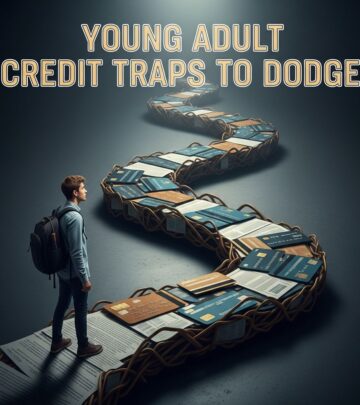
Why Millennials Should Embrace Credit Cards
Millennials can unlock credit card rewards, build strong credit scores, and achieve financial goals without falling into debt traps.

Millennials, born roughly between 1981 and 1996, have grown up amid economic turbulence—the Great Recession, student debt crises, and stagnant wages. This has bred a deep wariness of
credit cards
, often viewed as debt traps rather than financial tools. Yet, when used responsibly, credit cards offer unparalleled benefits: building credit scores essential for mortgages and loans, earning rewards on everyday spending, and providing purchase protections that cash can’t match. This article outlines key reasons Millennials should overcome their aversion, embrace plastic wisely, and leverage notifications, budgeting tips, and strategies to stay debt-free.The Credit Score Myth: Why Millennials Need to Start Building Credit Now
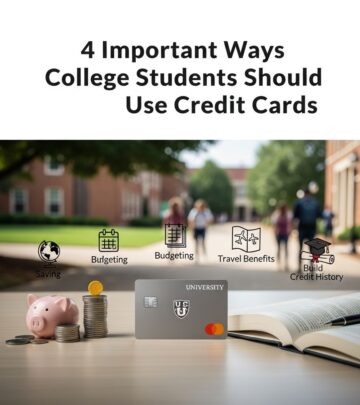
Many Millennials boast low credit scores, with studies showing they have the lowest averages across generations. A 2016 analysis revealed only 27% of Millennials’ recently opened accounts were bankcards, contributing to thinner credit files and lower scores. Without credit history, securing favorable rates on apartments, cars, or homes becomes challenging.
**Credit utilization**—the ratio of balances to limits—impacts 30% of FICO scores. Keeping it under 30% signals responsibility to lenders. Millennials avoiding cards miss opportunities to demonstrate reliability through on-time payments, which comprise 35% of scores. Starting early compounds benefits: a solid score by age 30 can save thousands in interest over a lifetime.
- Pay balances in full monthly to avoid interest.
- Request credit limit increases after six months of good behavior (without spending more).
- Become an authorized user on a parent’s well-managed card for instant history boost.
Embracing cards builds the foundation for major life milestones, from buying a first home to funding entrepreneurship.
Earn Rewards on Everyday Spending Without Extra Effort
Credit cards turn routine purchases into free money via cashback, points, or miles. Millennials, often spending on groceries, streaming, and rideshares, can maximize categories like 3-5% back on travel or dining. Annual rewards easily hit $300-500 for average users who pay off balances.
| Card Type | Best For | Avg. Annual Rewards (Moderate Spender) |
|---|---|---|
| Cashback | Groceries, Gas | $400 |
| Travel | Flights, Hotels | $600 (with sign-up bonus) |
| Flat-Rate | All Purchases | $300 |
Unlike debit cards, rewards compound without risk if balances are cleared monthly. Millennials’ digital-native habits align perfectly: app-based tracking simplifies redemption for gift cards or statement credits.
Purchase Protections That Cash and Debit Can’t Match
Credit cards provide federal-law-backed safeguards.
Extended warranties
double manufacturer coverage up to one year;return protection
reimburses ineligible returns up to $300/item;price protection
refunds price drops within 60 days. Debit cards offer none, leaving you vulnerable.For tech-savvy Millennials buying gadgets online,
zero-liability fraud protection
limits losses to $0, unlike debit where funds vanish until resolved. In 2023, the FTC reported over 1 million identity theft cases, underscoring cards’ alerts for suspicious activity.- Cell phone insurance: Up to $800/claim on premium cards.
- Travel insurance: Trip delay/cancellation coverage.
- Rental car coverage: Primary insurance saves $10-30/day.
Convenience and Financial Tracking Tools for Busy Lives
Modern cards integrate with apps for real-time spending insights, categorizing expenses and flagging overspending. Millennials juggle gig work and side hustles; cards bridge cash-flow gaps without high-interest loans.
Automated payments ensure on-time history. Virtual card numbers for one-time use enhance security for online shopping.
9 Essential Credit Card Notifications to Stay on Track
Enable these alerts to prevent pitfalls and maximize benefits:
- Payment Due Reminder: Avoids late fees ($40 avg.) and score damage (35% of FICO).
- Payment Confirmation: Confirms receipt, reduces anxiety for rebuilders.
- High Credit Utilization Alert (e.g., >30%): Prompts balance payments.
- Large Purchase Notification: Flags potential fraud or budget breaches.
- Low Available Credit Warning: Prevents over-limit fees; signals emergency buffer.
- Daily Transaction Limit Alert: Curbs impulse buys, encourages cash for ‘pain of payment’.
- Suspicious Activity Alert: Small test charges common in breaches (791 U.S. incidents by mid-2017, trending higher).
- Credit Score Change Update: Tracks progress via free issuer tools.
- Account Access Alert: Notifies logins from new devices.
Customize via email, text, or app—vital for authorized users like teens.
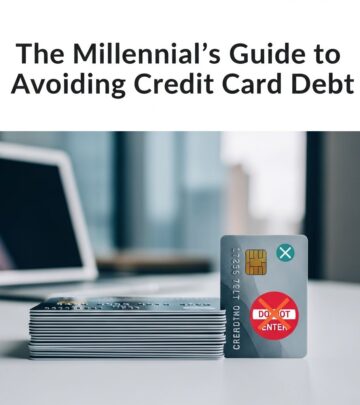
The Millennials’ Guide to Avoiding Credit Card Debt
Debt aversion is valid, but avoidance strategies exist:
- Treat as Charge Card: Pay full balance before statement closes.
- Budget First: Allocate spending limits per category using apps like Mint.
- Opt for No-Rewards Starter Cards: Builds habits sans temptation (e.g., secured cards).
- Freeze the Card: Store in ice cube tray for impulse control.
- Track Utilization Weekly: Multiple cards dilute ratios.
Millennials shop premium (56% more at Whole Foods, brand-loyal to Sephora/Apple), inflating bills. Pair cards with couponing—Gen-X saves 20% more via discounts.
Lessons from Gen-X: Save More, Spend Smarter
Gen-X outperforms Millennials financially: higher coupon use, thriftier stores (dollar stores, pharmacies). Ibotta’s 25M+ receipt analysis shows Millennials skip savings for status. Adopt hybrid: rewards cards + frugality.
Frequently Asked Questions (FAQs)
Q: Aren’t credit cards just for rich people?
A: No—entry-level cards suit all incomes. Focus on paying in full; rewards scale with spending, not wealth.
Q: How do I build credit without debt?
A: Use for budgeted items, pay off monthly. Aim for <30% utilization; on-time payments build scores rapidly.
Q: What if I’m scared of overspending?
A: Set alerts, use virtual numbers, treat as debit. Cash for fun buys reinforces discipline.
Q: Are rewards worth the risk?
A: For payers-off, yes—hundreds in value yearly. Protections add safety net.
Q: Can secured cards help beginners?
A: Absolutely—deposit becomes limit, reports to bureaus. Upgrade after 6-12 months.
Final Thoughts: Responsible Use Unlocks Freedom
Millennials’ caution is an asset—channel it into smart card usage. Build credit for future loans, earn on necessities, protect assets, and track finances seamlessly. With notifications and discipline, debt remains a myth. Start small: apply for one card, enable alerts, pay fully. Financial empowerment awaits.
References
- Why Millennials Should Embrace Credit Cards — Wise Bread. 2017 (approx., enduring relevance for core strategies). https://www.wisebread.com/why-millennials-should-embrace-credit-cards
- 9 Credit Card Notifications That Can Save You Money — Wise Bread. 2017-07-31 (updated data breaches relevant; strategies timeless). https://www.wisebread.com/9-credit-card-notifications-that-can-save-you-money
- Millennials Have the Lowest Credit Scores of All Generations — PR Newswire (TransUnion study). 2016-12-13. https://www.prnewswire.com/news-releases/millennials-have-the-lowest-credit-scores-of-all-generations-300121178.html
- The Millennials Guide to Avoiding Credit Card Debt — Wise Bread. N/A (core timeless advice). https://www.wisebread.com/the-millennials-guide-to-avoiding-credit-card-debt
- Hot Today | Wise Bread (Secured Cards) — Wise Bread. Ongoing. https://www.wisebread.com/popular/topic/personal-finance/popular/about/bestdeals/topic/career-and-income/about/the-5-best-secured-credit-cards?page=292
- 5 Things Millennials Can Learn About Saving Money From Gen-X — Wise Bread (Ibotta study). 2018 (approx., behavioral insights persistent). https://www.wisebread.com/5-things-millennials-can-learn-about-saving-money-from-gen-x
- Personal Finance Obstacles Facing Millennials — Experian. Ongoing. https://www.experian.com/blogs/news/about/millennial-money-chat/
Similar Articles








Read full bio of Sneha Tete