Why Everyone Should Embrace Slow Shopping
Discover how slow shopping helps you spend more mindfully, reduce clutter, and align your money with what you truly value.
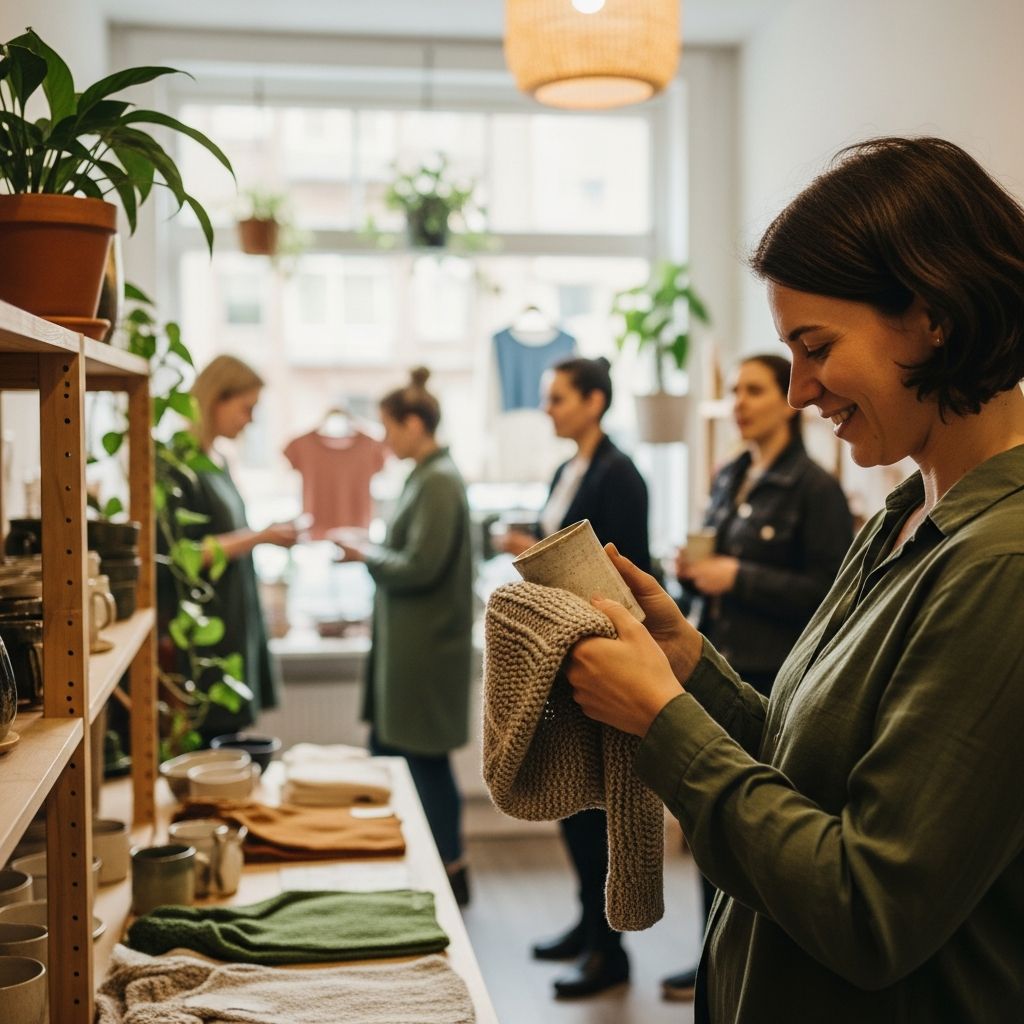
Slow shopping is a powerful way to change how you spend, helping you move from impulse purchases to thoughtful, values-based decisions that support your long-term financial goals.
Instead of rushing to buy every time you see something you like, slow shopping invites you to pause, plan, and purchase only what truly adds value to your life.
What Is Slow Shopping?
At its core, slow shopping is a mindful, intentional approach to buying things you need and want, inspired by the broader concept of slow living.
Rather than reacting to sales, trends, or social media posts, you:
- Take your time before buying
- Plan your purchases in advance
- Focus on quality and usefulness over quantity
- Consider how each item fits your lifestyle and budget
Slow shopping doesn’t mean you never spend money. It means you spend with purpose instead of out of habit, boredom, or emotional triggers.
How Slow Shopping Fits Into Slow Living
Slow living encourages people to be more intentional with their time, energy, and resources so that their daily choices reflect what they genuinely value.
Slow shopping fits into this philosophy by:
- Reducing the constant rush to acquire more things
- Encouraging you to invest only in items that truly matter
- Helping you build a wardrobe and home you genuinely enjoy
Why Is Slow Shopping Beneficial?
Slow shopping has meaningful benefits for your finances, your home environment, and your well-being.
| Area | Benefit of Slow Shopping |
|---|---|
| Finances | Less impulse buying, more money available for savings and goals |
| Home & Closet | Reduced clutter and more functional, loved items instead of excess stuff |
| Mental Health | Less buyer’s remorse, decision fatigue, and guilt about overspending |
| Long-Term Planning | Greater ability to align spending with long-term financial and life goals |
Less Overspending & More Budget Flexibility
By slowing down your purchases, you naturally make fewer impulsive decisions, which helps reduce overspending.
With fewer unplanned buys, your budget gains more breathing room. You can redirect that extra money toward:
- Emergency savings
- Debt repayment
- Investments or retirement accounts
- Big goals like travel, education, or a home down payment
Research from the Federal Reserve and other financial institutions consistently shows that intentional budgeting and reduced impulse spending are linked to better financial stability and greater savings.
Focusing on Quality Over Quantity
A key benefit of slow shopping is a shift from buying a lot of things to buying the right things.
This often means choosing higher-quality items that last longer, even if you buy fewer overall. Higher-quality products can reduce long-term costs because they need to be replaced less often, lowering your total spending over time.
Less Clutter, More Clarity
Impulse buying and constant consumption often lead to cluttered closets and homes filled with barely used items. Slow shopping helps you bring home fewer, more intentional pieces, which:
- Reduces visual clutter
- Makes it easier to find what you own
- Can improve feelings of control and calm in your space
Studies in environmental psychology indicate that excessive clutter is associated with increased stress and reduced life satisfaction, particularly for women.
How to Practice Slow Shopping
Slow shopping is a series of small habits that help you pause, assess, and then decide if a purchase is truly worth it. Below are practical strategies that mirror the core ideas of the slow shopping approach.
Create a Running Shopping List
One of the easiest ways to begin slow shopping is to keep a running shopping list, ideally on your phone or somewhere you can access it easily.
Use this list for both your home and your wardrobe. For example, you might note that you want:
- A comfortable pair of flats
- A new pair of jeans that fits well
- A specific home item, like a side table or lamp
Instead of immediately buying the first thing that fits your description, you hold the item on your list and wait until you find the right version at the right price.
Why a Running List Works
- It separates short-term wants from genuine needs.
- It gives you time to research quality, price, and options.
- It prevents duplicate or nearly identical purchases.
Personal finance educators often recommend lists (for groceries or shopping) because they help reduce unplanned purchases and overspending.
Look for Deals (Without Chasing Every Sale)
Slow shopping gives you the advantage of time. When you are not rushing, you can plan your purchases around:
- Seasonal sales (e.g., end-of-season clothing or furniture markdowns)
- Holiday sales events, if they match items already on your list
- Off-season discounts, like buying winter coats near the end of winter
For example, if you know you need a new couch, you can wait for a major furniture sale instead of paying full price on impulse.
Many consumer organizations and financial education nonprofits emphasize planning purchases ahead of big sales as an effective way to reduce overall costs, rather than shopping spontaneously.
Find the Right Fit for You
We have all experienced the disappointment of something that looked great on the hanger or online but didn’t work in real life. Slow shopping encourages you to be honest in the dressing room or when trying an item at home.
Before buying, ask yourself:
- Does this fit my body comfortably now?
- Do I genuinely like how this looks on me?
- Can I realistically see myself wearing or using this often?
If the answer is not a clear yes, it is better to leave it behind. Otherwise, you risk building a closet full of “almost right” pieces that you rarely reach for.
Questions to Help You Decide
- Would I buy this if there were no sale or discount?
- Would I wear this next week, not just “someday”?
- Does it match at least three things I already own?
Think Quality Over Quantity
Slow shopping means valuing durability and timelessness instead of maximizing the number of items you own.
When you are evaluating an item, consider:
- Fabric or material quality
- Construction and stitching
- Brand reputation for durability and ethical production
Consumer research shows that higher-quality goods often have a longer lifespan, which can lower the cost per use over time.
This doesn’t mean you must buy the most expensive option. Instead, aim for the best quality you can reasonably afford for items you plan to use frequently.
Consider the Number of Times You’ll Wear or Use a Piece
Another practical slow shopping tool is to think in terms of cost per use or cost per wear.
Before you buy, ask:
- How many times will I realistically wear or use this?
- Is this an everyday item, a seasonal essential, or a one-time occasion piece?
For items you expect to use very often (like a daily handbag, work shoes, or a winter coat), it usually makes sense to spend more for quality and comfort.
For items you will rarely use (like a formal dress for a single event), slow shopping might lead you to:
- Buy something more affordable
- Borrow or rent instead of buying
- Look for secondhand options
Simple Cost-Per-Wear Example
If you buy a pair of boots for $150 and wear them 150 times, the cost per wear is $1. If you buy a trendy pair for $60 but only wear them 6 times, the cost per wear is $10. Slow shopping encourages you to focus on the first scenario, not the second.
Come Back to It Later: Use a Waiting Period
One of the most effective slow shopping techniques is the waiting rule—often 24 hours, 48 hours, or even 30 days for nonessential purchases.
When you see something you want that is not on your list:
- Do not buy it immediately.
- Write it down on your running list.
- Wait at least 24 hours before deciding.
During the waiting period, you can:
- Check if you already own something similar
- Review your budget and savings goals
- See if the desire fades once the initial excitement passes
Many people find that after a day or two, the urge to buy disappears entirely, which means you have just protected your money and avoided adding clutter to your life.
The Bottom Line: Slow Shopping Helps Prevent Impulse Buys
Slow shopping is a simple but powerful shift in how you approach spending. By taking your time, planning purchases, and focusing on quality, you dramatically cut down on impulse buys and emotional spending.
Over time, this approach leads to:
- A more intentional wardrobe that you genuinely love
- A home filled with useful, meaningful items instead of random purchases
- More money available for savings, debt payoff, and long-term goals
- Less guilt, stress, and regret around shopping
Slow shopping is not about deprivation. It is about creating a healthier relationship with money and consumption so that every purchase works for you, not against you.
Frequently Asked Questions (FAQs)
Q: Is slow shopping the same as a no-buy or low-buy challenge?
A: No. A no-buy or low-buy challenge usually sets strict rules to limit spending for a defined period. Slow shopping is an ongoing mindset about buying intentionally, which can exist with or without a formal challenge.
Q: Can I practice slow shopping if I’m on a tight budget?
A: Yes. In fact, slow shopping is especially helpful on a tight budget because it forces you to prioritize needs, wait before buying, and look for the best value. Planning and lists help you avoid expensive impulse buys that can destabilize your budget.
Q: Does slow shopping mean I can never buy anything fun?
A: Not at all. Slow shopping encourages you to buy fun items thoughtfully. You can absolutely budget for treats and enjoyment, but you do so on purpose rather than through unplanned splurges.
Q: How does slow shopping help with debt repayment?
A: By reducing impulse purchases and unnecessary spending, you free up more money that can be redirected toward debt payments. Over time, this can help you pay down balances faster and save on interest.
Q: What if I love fashion and trends—can I still shop slowly?
A: Yes. You can follow trends in a slower way by choosing a few key pieces that genuinely suit your style, setting a budget, and using a waiting period before buying. Slow shopping doesn’t stop you from enjoying style; it helps you do it without overspending or filling your closet with items you rarely wear.
References
- Why Everyone Should Try Slow Shopping — Clever Girl Finance. 2023. https://www.clevergirlfinance.com/slow-shopping/
- My 2025 Low Buy Challenge: How I’m Saving More & Spending Less! — Clever Girl Finance (YouTube). 2024. https://www.youtube.com/watch?v=ZY12ggdAxuI
- Leverage The Slow Shopping “Trend” To Save More Money — Clever Girl Finance (Substack). 2023. https://clevergirlfinance.substack.com/p/leverage-the-slow-shopping-trend
- Household Spending and Saving During the COVID-19 Pandemic — Federal Reserve Bank of St. Louis. 2021-08-10. https://www.stlouisfed.org/publications/regional-economist/second-quarter-2021/household-spending-saving-covid19-pandemic
- Clutter, Chaos, and Overconsumption: The Psychology of Stuff — American Psychological Association. 2019-03-01. https://www.apa.org/monitor/2019/03/ce-corner-clutter
Similar Articles








Read full bio of Sneha Tete