Why Did They Place a Hold on My Checking Account?
Understand bank holds: Reasons, duration, and how to avoid them effectively.
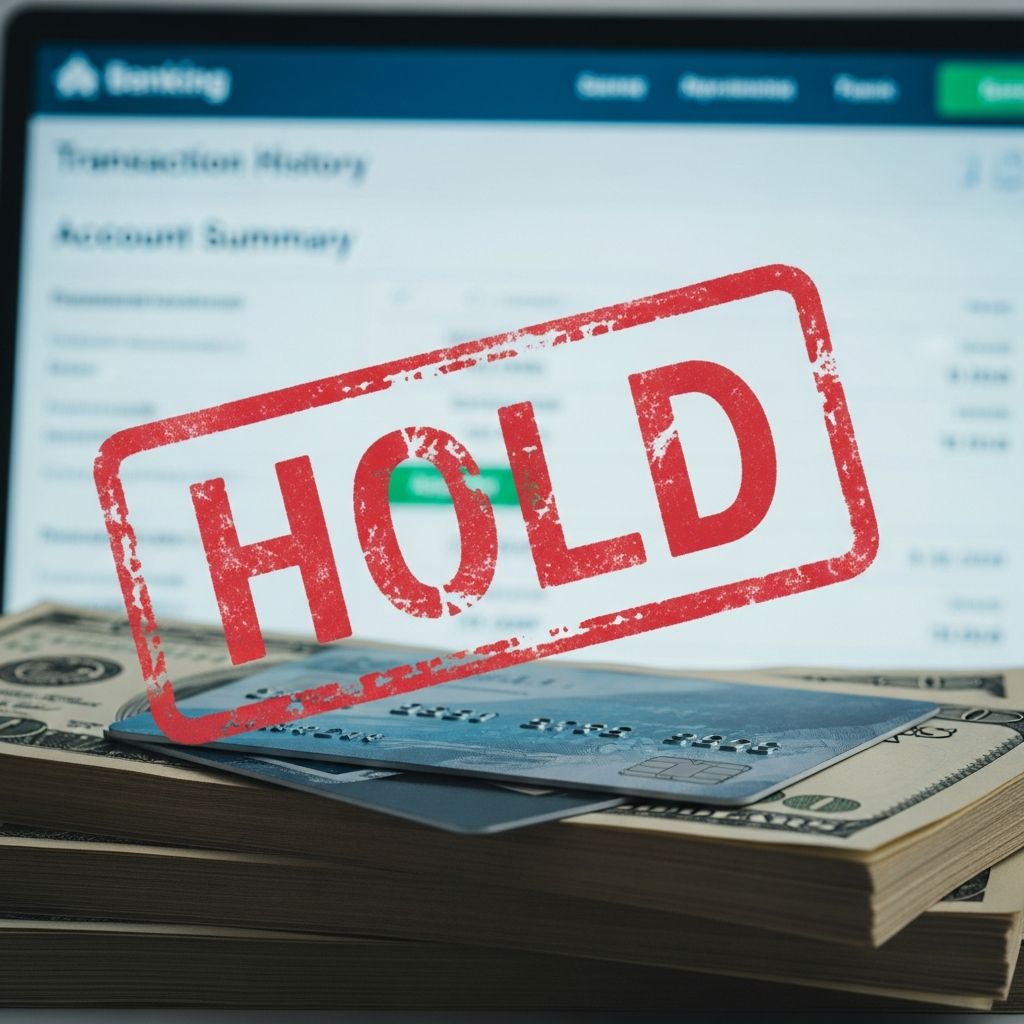
Discovering that your bank has placed a hold on your checking account can be frustrating and concerning, especially when you need access to your funds. Whether you’ve just deposited a check, made a large transfer, or opened a new account, understanding why banks implement holds is essential to managing your finances effectively. A bank hold is a temporary delay that prevents you from accessing deposited funds for a certain period of time. This safeguard exists to protect both you and your financial institution from potential fraud, overdrafts, and other banking risks.
What Is a Bank Hold?
A bank hold, also known as a deposit hold or funds availability hold, is a temporary restriction placed on funds you deposit into your checking account. When a hold is placed, you cannot withdraw or access those funds until the hold is lifted. The purpose of a hold is to give the bank time to verify that the deposited funds are legitimate and that the check writer has sufficient funds to cover the amount.
Banks place holds to protect themselves from potential losses due to bounced checks, fraudulent deposits, or insufficient funds. Additionally, holds protect you from accidentally spending money from a check that may later be returned unpaid, which could result in overdraft fees and other penalties. While holds can be inconvenient, they serve as an important safeguard in the banking system.
Common Reasons Banks Place Holds on Accounts
Understanding the specific reasons your bank may have placed a hold on your account can help you better manage your banking relationship. Here are the most common reasons:
New Account Status
If you have recently opened your bank account, typically within the first 30 days, your financial institution is more likely to place holds on check deposits. Banks are more cautious with new customers because they haven’t yet established a history or relationship with you. During this initial period, banks may hold any checks you deposit to verify your banking behavior and ensure you’re not a fraud risk. Once your account has aged and you’ve demonstrated responsible banking habits, the frequency of holds typically decreases.
Large Deposits
Checks worth more than $5,000 or those exceeding your current account balance are subject to longer hold periods. Banks place extended holds on large deposits because they want to verify that the check writer has sufficient funds to cover such a substantial amount. This precaution prevents you from accessing funds from a check that might bounce, which could cause your account to overdraft.
Check Verification Requirements
Your bank may hold a check to verify that it is legitimate and that the check writer has adequate funds. This verification process ensures that when the check is presented to the issuing bank, it will clear without issues. The bank may need to contact the issuing bank to confirm that funds are available and that the check is authentic.
Re-Deposited Checks
If you previously attempted to deposit a check that was returned for insufficient funds, your bank is likely to place a hold on any subsequent deposit of that same check. Re-deposited checks face extended holds because the bank wants to avoid having the check returned again, which could result in additional fees and complications for your account.
Account History and Previous Overdrafts
Banks review your account history when determining whether to place holds. If your account has a pattern of overdrafts, bounced checks, or other problematic banking behavior, your bank may be more likely to impose holds on future deposits. This historical context helps the bank assess risk and make decisions about protecting both your account and the institution’s interests.
Suspected Fraud
If your bank has reason to believe that a check is fraudulent or that a deposit is suspicious, it will place a hold while it investigates and attempts to verify the legitimacy of the transaction. This protective measure prevents fraudulent funds from being made available in your account and protects you from potential liability.
Emergency Situations
During emergencies or circumstances beyond the bank’s control—such as natural disasters, cyberattacks, or communication system failures—banks may place holds on all deposits until normal operations resume. These holds ensure that the bank can properly validate and process transactions once the emergency situation is resolved.
How Long Can Banks Legally Hold Your Funds?
The Federal Reserve has established regulations that limit how long banks can hold your deposited funds. Understanding these legal timeframes can help you know what to expect and when to contact your bank if a hold seems excessive.
Standard Holding Periods
Under Regulation CC, banks must generally make funds available within a reasonable period of time. For checks drawn from the same bank where you’re making the deposit, the hold period is typically no more than two business days. For checks drawn from a different bank, the maximum hold period is generally seven business days. However, banks must make the first $5,525 of any deposit available according to their normal funds availability policy, with holds potentially placed only on amounts exceeding this threshold.
Exceptions to Standard Hold Periods
Regulation CC provides specific exceptions that allow banks to extend holds beyond the standard timeframes when certain conditions are met. These exceptions include:
- New Account Exception: Banks can hold checks deposited into accounts less than 30 days old for up to nine business days.
- Large Deposit Exception: Checks exceeding a certain amount or your account balance may be held longer.
- Redeposited Check Exception: Checks that were previously returned unpaid can be held for an extended period.
- Emergency Exception: During war, natural disasters, or communication system failures, holds can be extended.
- Fraud Prevention Exception: Banks can extend holds when they have reasonable cause to suspect fraud.
- Collectability Exception: When banks have reason to doubt whether a check will be collected, they can impose longer holds.
When banks use these exceptions, they are required to provide you with written notice explaining the reason for the hold and when your funds will be available.
How to Avoid Bank Holds
While bank holds are sometimes unavoidable, several strategies can help you minimize their occurrence and maintain faster access to your funds:
Establish Account History
The longer you maintain a positive banking relationship, the less likely your bank is to place holds on your deposits. Banks are most cautious with new customers, so demonstrating responsible banking behavior over time can reduce hold frequency.
Use Electronic Transfers
Electronic transfers, such as ACH transfers or direct deposits, typically clear much faster than paper checks and are subject to shorter or no hold periods. Whenever possible, encourage check writers to pay you through electronic means instead of paper checks.
Request Cashier’s or Certified Checks
Cashier’s checks and certified checks are considered lower-risk deposits because the funds are guaranteed by the bank. These types of checks often clear without holds or with significantly shorter hold periods than personal checks.
Deposit Checks Early in the Day
Deposits made early in the business day are more likely to be processed quickly. Deposits made late in the day or on weekends may not be processed until the next business day, which can extend your overall wait time for access to funds.
Maintain a Positive Account History
Avoid overdrafts, maintain sufficient account balances, and demonstrate consistent, responsible banking behavior. Banks are more likely to waive or shorten holds for customers with clean account histories and positive banking relationships.
Communicate with Your Bank
If you’re expecting a large deposit or know you’ll need quick access to funds, contact your bank in advance to discuss your situation. Some banks may be willing to expedite processing or waive holds for valued customers if you explain your circumstances.
Can You Request Removal of a Bank Hold?
Yes, you can request that your bank remove or shorten a hold on your account. However, the bank is not obligated to comply with your request if it has legitimate reasons to maintain the hold. If your bank believes there’s fraud risk or that the check writer may lack sufficient funds, the hold will likely remain in place for the legal timeframe.
To request hold removal, contact your bank’s customer service department, speak with a representative at a local branch, or call the number on your bank statement. Explain your situation politely and ask if the hold can be expedited or removed. While there’s no guarantee of success, clearly explaining your need for the funds may help in some cases.
Understanding Your Bank’s Funds Availability Policy
Each bank has its own funds availability policy that outlines when deposits will be available for withdrawal. Your bank is required to disclose this policy to you, and it should be available in your account documentation or on the bank’s website. Reviewing this policy can help you understand what hold periods to expect for different types of deposits and allow you to plan your finances accordingly.
Frequently Asked Questions
Q: Why do banks place holds on checks?
A: Banks place holds on checks to verify that the funds are legitimate, that the check writer has sufficient funds to cover the amount, and to prevent fraud. Holds also protect you from overdrafts if a check is later returned unpaid.
Q: How long can a bank legally hold my check?
A: Under Regulation CC, banks must make funds available within two business days for same-bank checks and seven business days for checks from different banks. However, certain exceptions allow longer holds, and banks must provide notice explaining the hold.
Q: Can I ask my bank to remove a hold?
A: Yes, you can request hold removal, but your bank is not obligated to comply if it has legitimate concerns about fraud or insufficient funds. Contact your bank’s customer service to discuss your situation.
Q: What type of deposits don’t have holds?
A: Cash deposits and electronic transfers typically don’t have holds or have very short hold periods. Cashier’s checks and certified checks may also clear faster than personal checks.
Q: Do new accounts always have holds placed on deposits?
A: Banks are more likely to place holds on deposits to new accounts (less than 30 days old), but it’s not guaranteed for every deposit. Once your account ages and demonstrates positive banking history, holds become less frequent.
Q: What should I do if a hold seems unusually long?
A: Contact your bank to inquire about the reason for the extended hold. If your bank cannot provide a legitimate reason or the hold exceeds legal timeframes, you may consider filing a complaint with your banking regulator.
Conclusion
Bank holds on checking accounts can be frustrating, but they serve an important protective function in the banking system. Understanding why your bank placed a hold, how long it can legally remain, and what steps you can take to prevent future holds empowers you to manage your finances more effectively. By maintaining a positive account history, using electronic transfers when possible, and communicating with your bank about your needs, you can minimize the impact of holds on your financial life. Remember that while holds create temporary inconvenience, they ultimately protect you from costly overdraft fees and fraud-related complications.
References
- Why do banks put holds on checks? — Business Insider. Accessed November 2025. https://www.businessinsider.com/personal-finance/banking/why-is-the-bank-holding-my-check
- Understanding Why Banks Hold Checks — SmartAsset. Accessed November 2025. https://smartasset.com/checking-account/understanding-why-banks-hold-checks
- Are there exceptions to the funds availability (hold) schedule? — Consumer Financial Protection Bureau. https://www.helpwithmybank.gov/help-topics/bank-accounts/funds-availability/funds-availability-exceptions.html
- Bank of America Deposit Holds: What Are They and Other FAQs — Bank of America. https://www.bankofamerica.com/deposits/deposit-holds-faqs/
- When it Comes to Bank Holds, a little Understanding Goes a Long Way — Inland Northwest Bank. May 2024. https://www.inb.com/Blog/Posts/2232/Uncategorized/2024/5/When-it-Come-to-Bank-Holds-a-little-Understanding-Goes-a-Long-Way/blog-post/
- How to Remove Hold on Bank Account Funds — Citi. https://www.citi.com/banking/personal-banking-guide/basic-finance/how-to-remove-hold-on-bank-account-funds
Similar Articles








Read full bio of Sneha Tete