Why Credit Cards Boost Spending: 5 Evidence-Based Tips
Uncover the brain science and habits behind credit card overspending and master strategies to spend smarter without the debt trap.
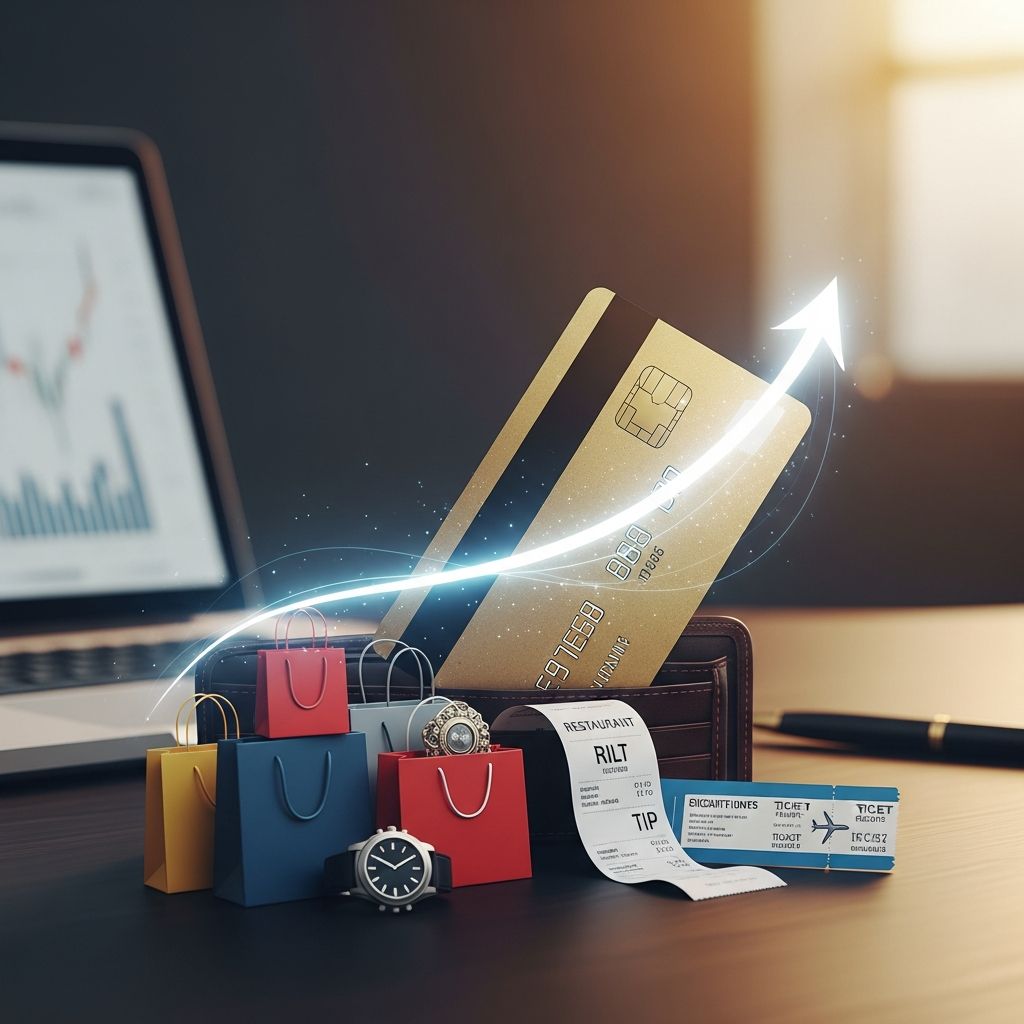
Credit cards often lead to higher spending compared to cash due to psychological mechanisms that reduce the perceived cost of purchases and activate brain reward centers.
The Neuroscience of Plastic Purchases
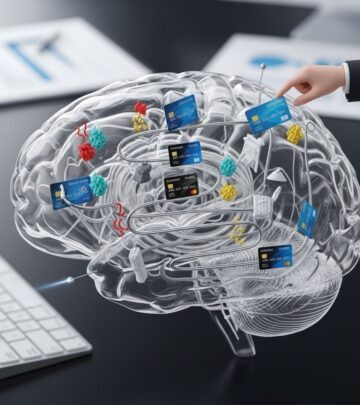
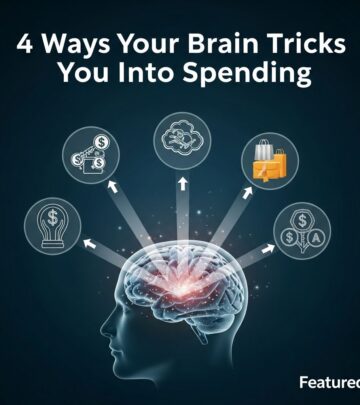
When swiping a credit card, the brain’s reward system lights up more intensely than with cash transactions. Researchers using fMRI scans observed that credit cards sensitize the striatum, a dopaminergic region linked to pleasure and anticipation, driving consumers to spend more aggressively. This ‘step on the gas’ effect counters the idea that cards merely lessen payment pain; instead, they amplify motivation for buying, similar to cues in addictive environments like casinos.
Studies show people pay higher prices, tip more generously, and indulge in impulse buys when using cards. Household debt rises alongside this trend, as the immediate gratification from purchases overshadows deferred billing. Different cards even condition unique spending appetites— one for luxuries, another for essentials—shaping habits through reinforcement.
Payment Detachment and the Illusion of Free Money
Digital payments create ‘Spendception,’ a psychological disconnect where spending feels less real without physical cash exchange. This diminishes the ‘pain of paying,’ fostering emotional separation from costs and boosting purchase frequency. Credit cards exemplify this: charges don’t hit wallets instantly, making future payments seem abstract and less burdensome.
Authors like Michele Cagan note that minimum payments illusion purchases as affordable, delaying the financial sting for weeks. This temporal gap, termed ‘payment coupling,’ eases spending present money borrowed from the future, often leading to regret when bills arrive.
Emotional Drivers Fueling Card Swipes
Emotions heavily dictate credit card use. Stress, boredom, or joy prompt retail therapy, with cards enabling instant gratification over thoughtful deliberation. Positive feelings might spark celebratory splurges, while negatives drive coping buys that fade into guilt and debt.
Social media amplifies this, pressuring users to match peers’ lifestyles beyond their means. Impulse buyers chase the thrill of acquisition, ignoring frivolity or expense, as psychologist Ian Zimmerman describes. Denial compounds issues: many underestimate debt severity, ignoring accruing interest until stress mounts.
How Overspending Patterns Form and Persist
Credit fosters habits via conditioning—repeated swipes link pleasure to plastic, potentially addictive for vulnerable individuals. People overspend on the same items with cards versus cash, as the abstract nature dulls cost awareness.
| Payment Method | Spending Behavior | Psychological Effect |
|---|---|---|
| Cash | Lower totals, fewer impulses | Tangible pain of loss |
| Credit Card | Higher totals, more tips/impulses | Reward activation, detachment |
| Digital Wallet | Variable, often elevated | Reduced visibility |
This table illustrates key differences, backed by neuroimaging and behavioral data.
Real-World Consequences of Card-Induced Spending
Impulse buys erode savings, balloon debt, and heighten anxiety, creating vicious cycles where stress prompts more spending. Unlike cash’s natural limits, unlimited credit lines invite excess, threatening long-term security.
Strategies to Counter Credit Card Spending Urges
Regain control with these evidence-based tactics:
- Adopt the Envelope System: Allocate cash equivalents for categories, forcing mindful spending.
- Implement the 48-Hour Rule: Delay non-essentials to bypass impulse highs.
- Track Triggers: Journal emotional spends to spot patterns like post-stress shopping.
- Set Card Limits: Use low-limit cards for daily needs, reserving high-limit for planned expenses.
- Opt for Debit Occasionally: Reintroduce payment pain to recalibrate habits.
Visualize budgets via apps to maintain awareness, treating cards as tools, not temptations.
Building Sustainable Financial Mindsets
Shift from gratification-seeking to goal-oriented spending. Prioritize needs over wants, influenced by social cues less. Education on debt psychology empowers proactive choices, breaking overspend cycles.
In a cashless shift, mindful payment selection matters—avoid reward-exploiting methods for routine buys.
Common Myths About Credit Card Spending
- Myth: Cards Only Delay Pain. Reality: They actively boost reward responses.
- Myth: Rewards Offset Overspending. Reality: Points rarely cover impulse costs long-term.
- Myth: Everyone Overspends Equally. Reality: Emotional vulnerability varies impacts.
Frequently Asked Questions
Do credit cards really make you spend 10-20% more?
Yes, studies confirm elevated spending, with tips and prices rising notably versus cash.
Can I use cards without overspending?
Absolutely—treat them like debit by paying full balances monthly and using rules like the 48-hour wait.
Why do some people control card spending better?
Strong emotional awareness and habits mitigate risks; others fall to denial or triggers.
Are digital wallets as risky as cards?
Often yes, due to similar detachment, though less reward sensitization than cards.
How to recover from impulse debt?
Acknowledge reality, cut non-essentials, consolidate debt, and build emergency funds.
Long-Term Habits for Financial Freedom
Cultivate discipline through automation: auto-pay full balances, set alerts for limits. Review statements weekly to confront realities. Over time, these rewire brain responses, prioritizing security over fleeting highs.
Financial wellness stems from intentionality—use cards’ conveniences without surrendering to their psychological pitfalls. By understanding these dynamics, you transform potential liabilities into assets.
References
- How credit cards activate the reward center of our brains and drive spending — MIT Sloan School of Management. 2023. https://mitsloan.mit.edu/experts/how-credit-cards-activate-reward-center-our-brains-and-drive-spending
- The Psychology of Credit Card Debt: How to Break the Cycle — MoneyFit. 2024. https://www.moneyfit.org/psychology-of-credit-card-debt/
- Does Using a Credit Card Make You Spend More Money? — NerdWallet. 2025-01-15. https://www.nerdwallet.com/credit-cards/learn/credit-cards-make-you-spend-more
- Spendception: The Psychological Impact of Digital Payments — PMC (PubMed Central). 2024. https://pmc.ncbi.nlm.nih.gov/articles/PMC11939284/
- The Psychology of Credit Card Spending – How to Avoid Impulse Purchases — IndusInd Bank. 2024. https://www.indusind.bank.in/iblogs/credit-card/the-psychology-of-credit-card-spending-how-to-avoid-impulse-purchases/
- Why We Overspend With Credit — Psychology Today. 2013-06-20. https://www.psychologytoday.com/us/blog/retail-therapy/201306/why-we-overspend-credit
Similar Articles








Read full bio of medha deb