Why Auto Insurance Matters
Discover the essential protections auto insurance provides against accidents, theft, and more to safeguard your finances and vehicle.
Auto insurance serves as a critical financial safety net for drivers, covering costs from accidents, theft, and other incidents that could otherwise lead to devastating expenses. It fulfills legal mandates while offering customizable protections tailored to individual needs and risks.
Core Components of Vehicle Protection
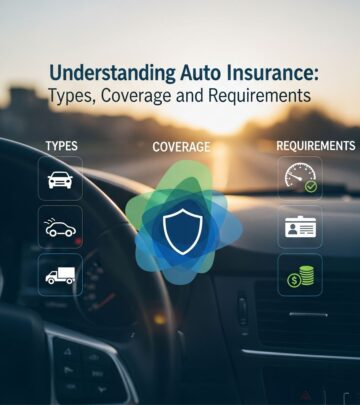
Understanding the foundational elements of an auto policy helps drivers select coverage that aligns with state laws and personal circumstances. These components address liability for harm caused to others, damage to one’s own vehicle, and medical expenses arising from crashes.
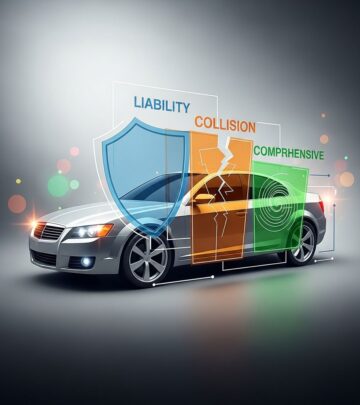
- Liability Coverage: Required in nearly all states, this pays for injuries and property damage you cause to others in an at-fault accident. Bodily injury liability handles medical bills, lost wages, and legal fees for affected parties, while property damage liability covers repairs to vehicles or structures.
- Uninsured/Underinsured Motorist Coverage: Protects you when hit by a driver lacking sufficient insurance, covering your medical costs and vehicle repairs up to policy limits.
- Medical Payments or Personal Injury Protection: Covers medical expenses for you and passengers regardless of fault, including hospital stays, rehab, and funeral costs in some cases.
These basics ensure compliance and provide immediate relief post-incident, preventing out-of-pocket losses that average tens of thousands for serious collisions.
Defending Your Vehicle from Collisions
Collision coverage reimburses repairs or replacement for your car after crashing into another vehicle or object, irrespective of fault. It’s often mandated by lenders for financed or leased vehicles, bridging the gap between liability limits and actual repair costs.
| Coverage Type | What It Covers | Typical Deductible |
|---|---|---|
| Collision | Damage from crashes with vehicles/objects | $500-$1,000 |
| Comprehensive | Non-collision events like theft/fire | $100-$500 |
Without it, drivers face full repair bills, which can exceed a vehicle’s value, leading to total loss declarations where insurers pay actual cash value.
Shielding Against Non-Collision Risks
Comprehensive coverage handles damages from events outside collisions, such as theft, vandalism, hail, fire, or animal strikes. Essential in areas prone to weather extremes or high crime, it often includes glass repair with minimal or no deductible in certain states.
For example, in hurricane-vulnerable regions, this protection prevents total financial ruin from storm-related vehicle damage. Pairing it with collision forms ‘full coverage,’ recommended for newer cars to maintain value preservation.
Navigating State-Specific Requirements
Regulations vary widely; most states demand minimum liability limits, like 25/50/25 ($25K per person injury, $50K per accident, $25K property). No-fault states require PIP, covering 80% of medical costs up to $10K minimum, as in Florida.
- Check your state’s DOI site for exact minima to avoid fines or license suspension.
- Financed vehicles typically need collision and comprehensive added.
Enhancing Protection with Add-Ons
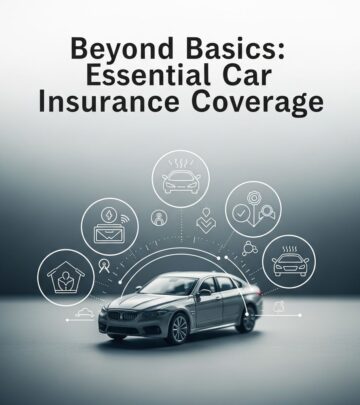
Beyond basics, optional endorsements provide broader safeguards:
- Rental Reimbursement: Pays for a temporary car while yours is repaired.
- Roadside Assistance: Covers towing, flat tires, or lockouts.
- Gap Insurance: Covers the difference between a car’s value and loan balance if totaled early.
- New Car Replacement: Replaces recent models with brand-new equivalents.
These tailor policies to lifestyles, like frequent travelers needing roadside help.
Financial Advantages of Proper Coverage
Adequate insurance averts bankruptcy from claims; average bodily injury payouts exceed $20K per person. It also unlocks discounts: safe driving (up to 20% off), multi-policy bundling, good student rates, or anti-theft devices.
Low-mileage drivers save via usage-based programs tracking habits. Safety features like airbags or ABS qualify for further reductions, incentivizing risk reduction.
Selecting the Right Policy Limits
Minimum coverage suffices legally but leaves gaps; experts recommend 100/300/100 for robust protection matching rising repair costs (average $4K+ per claim). Assess assets, driving exposure, and vehicle worth.
Higher limits prevent personal payouts via umbrella policies extending liability. Annual reviews adjust for life changes like new jobs or family additions.
Common Misconceptions Clarified
Many believe minimums protect fully—they don’t, exposing savings to lawsuits. ‘Full coverage’ isn’t standardized; verify inclusions. Deductibles balance premiums vs. out-of-pocket risk—higher ones lower rates but increase claim costs.
Steps to Optimize Your Policy
- Compare quotes from multiple insurers, factoring discounts.
- Review annually or post-changes (e.g., mileage drop).
- Bundle with home/renters for savings.
- Install safety tech for rebates.
This proactive approach maximizes value while minimizing premiums.
Frequently Asked Questions
What is the difference between collision and comprehensive?
Collision covers crash damage to your car; comprehensive handles theft, weather, or vandalism.
Is auto insurance required everywhere?
Yes, except New Hampshire; minimums vary by state.
How do deductibles work?
You pay this amount first; insurer covers the rest on claims.
Can I save on premiums?
Yes, via safe driving, bundling, or low-mileage discounts.
What if the other driver is at fault?
Their liability pays; your uninsured motorist covers if they lack it.
References
- Six Types of Car Insurance Coverage — Allstate. 2023. https://www.allstate.com/resources/car-insurance/types-of-car-insurance-coverage
- Auto insurance basics—understanding your coverage — Insurance Information Institute. 2024. https://www.iii.org/article/auto-insurance-basics-understanding-your-coverage
- Consumer’s Guide to Auto Insurance — Colorado Department of Education. 2022. https://hermes.cde.state.co.us/islandora/object/co:4819/datastream/OBJ/download/Consumer_s_guide_to_auto_insurance.pdf
- A Comprehensive Guide to Auto Insurance in 2026 — Cinco Auto Insurance. 2026. https://cincoautoinsurance.com/blog/auto-insurance/a-comprehensive-guide-to-auto-insurance/
- Car Insurance Essentials: A Beginner’s Guide to Coverage — Williams Case. 2024. https://williamscase.com/car-insurance-essentials-a-beginners-guide-to-coverage/
- Essential Auto Insurance Guide for Florida Drivers — Allied Insurance Group. 2024. https://alliedinsgroup.net/auto-insurance-guide/
- Navigating the Complex World of Auto Insurance — Capitol Benefits. 2025. https://www.capitolbenefits.com/navigating-the-complex-world-of-auto-insurance-a-comprehensive-guide/
Similar Articles








Read full bio of Sneha Tete