Why Are Some Credit Cards Metal: Psychology, Trends, Benefits
Discover why metal credit cards became a status symbol and branding tool for premium cardholders.
Why Are Some Credit Cards Metal? A Modern Branding Strategy
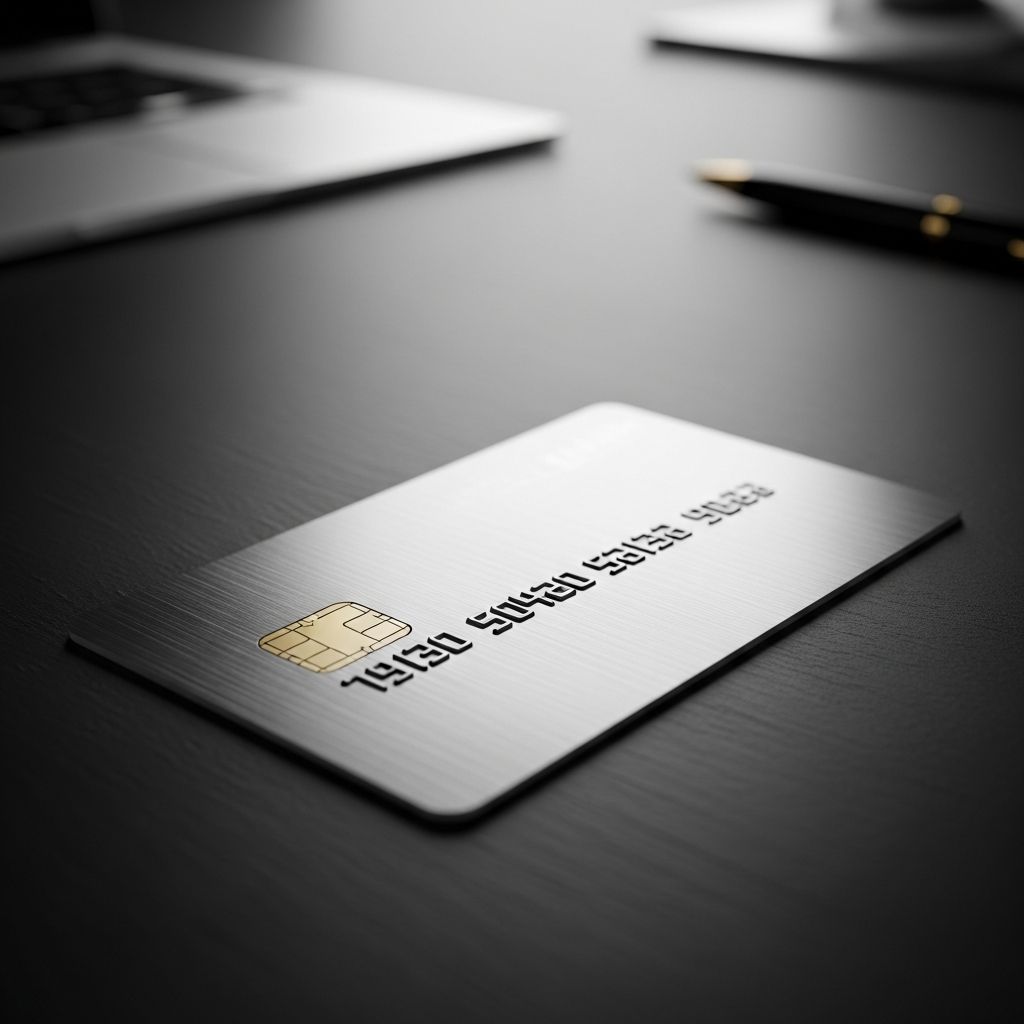
For decades, credit and debit cards were simply functional tools made from plastic. But in recent years, a shift has occurred in the financial industry. Metal credit cards have emerged as a premium offering, transforming what was once a simple transaction device into a status symbol. The question many cardholders ask themselves is straightforward: Why are some credit cards made of metal instead of the traditional plastic material? The answer reveals fascinating insights into branding, consumer psychology, and the competitive landscape of the credit card industry.
The History of Credit Card Materials
Understanding why metal credit cards exist today requires looking back at the evolution of payment card materials. Before plastic became the standard, credit and debit cards were made from materials like paperboard and celluloid, which offered limited durability and data storage capabilities. This all changed in 1959, when American Express became the first lender to introduce a plastic credit card. This innovation provided superior durability and the ability to store data, setting a new industry standard that would dominate for decades.
Following American Express’s pioneering move, magnetic stripes were developed to enhance card functionality and security. These technological advancements established industry standards that shaped card production for generations. Today, the International Organization for Standardization manages specifications for payment cards, including precise requirements for height, width, and thickness. As a result, most credit cards are manufactured from PVC (polyvinyl chloride), a material chosen for its exceptional resistance to water and wear, making it ideal for everyday use.
The Shift Toward Material Innovation
While PVC remains the dominant material for credit cards, financial institutions have begun exploring alternatives. According to industry experts, card issuers, banks, credit unions, and fintech companies have increasingly sought opportunities to enhance their customers’ experience. The strategy is simple yet effective: by changing the substrate or material used to produce cards, banks can differentiate their offerings and create a more memorable customer experience.
James Sufrin, the North America senior vice president for payment services at IDEMIA, a leading card manufacturer, explains that the card itself represents the issuer’s brand identity. “The card is the issuer’s brand,” he notes. “It’s really important that whatever that customer gets reflects what the issuer wants that brand and that brand image to be.” This philosophy has driven financial institutions to experiment with premium materials, with metal emerging as the preferred choice for luxury and premium card offerings.
American Express and the Prestige of Metal Cards
When discussing metal credit cards, it’s impossible not to mention American Express and its iconic titanium Centurion Card. Launched in 1999, the Centurion Card represents the pinnacle of credit card exclusivity and prestige. The card features secret eligibility requirements and extravagant perks reserved only for the most affluent cardholders. The primary objective behind the Centurion Card’s design is to project an image of exclusivity—a subtle but powerful message that communicates wealth and status.
One Centurion cardholder captured the essence of the card’s appeal when writing in the Financial Times: “Word gets around. People ask to see this thing. So the first thing you buy with your black anodized titanium credit card is social cachet.” This observation highlights how metal cards have transcended their functional purpose and become markers of financial prestige and social standing.
Metal Cards Go Mainstream: The Chase Sapphire Reserve Effect
While American Express pioneered metal cards as exclusive luxury items, the true turning point for mass-market adoption came in 2016 with the launch of Chase’s Sapphire Reserve. This card represented a departure from the traditional exclusivity model, making metal cards available to a broader audience of affluent consumers. The impact was extraordinary—within days of the card’s reveal, it became so popular that Chase exhausted its supply of metal materials needed for production.
This moment marked the beginning of what industry experts call the metal-card trend “catching fire.” What started as an exclusive luxury amenity evolved into a competitive selling point across the premium credit card market. Financial institutions recognized that offering metal cards could significantly influence consumer behavior and preferences, prompting widespread adoption of this premium material across their card portfolios.
Why Banks Choose Metal: The Business Case
It’s important to understand that banks don’t issue metal cards out of pure altruism. Instead, they make these material choices based on extensive market research and financial calculations. According to industry leaders, every major financial institution has conducted research supporting their manufacturing decisions. Some companies discovered that customers perceive PVC as insufficiently rigid, while others became convinced that offering metal cards drives increased card usage and customer loyalty.
The primary objective for issuing banks is achieving what the industry calls “top-of-wallet” status—positioning their card as the one customers reach for most frequently when making purchases. This goal has profound financial implications, as the card a consumer uses most often generates more transaction fees, interest income, and valuable cardholder data for the bank.
Consumer surveys support the effectiveness of this strategy. A 2022 survey conducted by CompoSecure revealed that 70% of respondents indicated they would select a financial product featuring a metal card if all other factors were equal. This statistic demonstrates the powerful psychological appeal of metal cards to consumers, even among those without strong existing brand loyalty.
Generational Preferences and Market Trends
Research by IDEMIA found that metal cards hold particular appeal for Generation Z and millennial consumers. These younger demographic segments represent the future of consumer spending and are increasingly influential in shaping market trends. According to IDEMIA’s analysis: “In other words, the customer segments that will dominate future global spending want to pay with metal cards. This has not gone unnoticed by challenger banks.”
This generational preference has profound implications for the financial services industry. Younger consumers view metal cards not merely as functional payment tools but as lifestyle accessories and status indicators. They appreciate the premium feel and visual distinction that metal cards provide compared to traditional plastic alternatives. Consequently, metal card offerings have become essential for financial institutions seeking to attract and retain younger customers.
Beyond Metal: Emerging Card Material Innovations
While metal has become the dominant material choice for premium credit cards, financial institutions continue exploring alternative materials to differentiate their offerings further. James Sufrin has fielded requests from brands interested in unconventional options, including wooden cards and glass cards—though these remain largely experimental due to durability and practical concerns.
More recently, there’s been growing interest in biodegradable and eco-friendly card materials. As environmental consciousness increases among consumers, particularly younger demographics, financial institutions are exploring sustainable alternatives that align with growing environmental concerns. These innovations represent the next frontier in card material development, allowing banks to appeal to environmentally conscious consumers while maintaining premium positioning.
The Psychology of Premium Materials
The success of metal credit cards reveals important truths about consumer psychology and branding. Material quality directly influences how consumers perceive products and services, even when functionality remains identical. A metal card communicates luxury, durability, and exclusivity without requiring any words or explanation. The tactile experience of holding a metal card—its weight, temperature, and texture—creates a memorable interaction that plastic cards cannot replicate.
For banks, this psychological advantage translates into tangible business benefits. Customers who receive metal cards often report increased satisfaction and stronger emotional connections to their financial institutions. This improved sentiment can lead to higher retention rates, increased spending, and greater willingness to use additional products and services offered by the bank.
Current State of Metal Credit Cards
Today, metal credit cards are no longer novelty items but established offerings in the premium credit card market. Major financial institutions including Chase, American Express, and various challenger banks have incorporated metal cards into their product portfolios. While most credit cards are still manufactured from traditional PVC, the prevalence of metal cards has steadily increased as technology has advanced and material costs have become more competitive.
The democratization of metal cards—moving from exclusively wealthy Centurion cardholders to affluent consumers with good credit scores—reflects both technological progress and shifts in consumer expectations. Premium features that once distinguished ultra-elite cards have gradually become expected amenities for mid-tier premium cards, creating a tiered hierarchy of card materials and associated benefits.
The Bottom Line on Metal Credit Cards
While most credit cards continue to be manufactured from PVC material, some financial institutions strategically choose to produce metal alternatives to attract and engage customers. This decision represents a calculated branding play that leverages the psychological appeal of premium materials to differentiate products in a competitive market. Metal cards serve dual purposes: they function as high-quality payment instruments while simultaneously acting as tangible symbols of financial status and customer appreciation.
As Sufrin explains: “A metal card, or any innovative card, is made to make that consumer feel special about that product and want to use it, and use it, and use it more.” This strategy has proven remarkably effective, driving consumer preference and influencing purchasing decisions across demographics and income levels.
Frequently Asked Questions
Q: What material are most credit cards made from?
A: Most credit cards are manufactured from PVC (polyvinyl chloride), which offers excellent resistance to water and wear while meeting International Organization for Standardization specifications for payment cards.
Q: When was the first metal credit card introduced?
A: American Express introduced the titanium Centurion Card in 1999, creating the first metal credit card and establishing metal as a symbol of exclusivity and prestige.
Q: What percentage of consumers prefer metal credit cards?
A: According to a 2022 CompoSecure survey, 70% of respondents indicated they would select a financial product with a metal card if all other factors were equal.
Q: Which younger generation prefers metal cards most?
A: Research by IDEMIA found that metal cards are particularly popular with Generation Z and millennial consumers, demographics that will dominate future global spending.
Q: Why did Chase Sapphire Reserve cause a shortage?
A: The 2016 launch of Chase Sapphire Reserve became so popular that Chase exhausted its supply of metal materials within days, marking the moment the metal-card trend “caught fire” in the mainstream market.
Q: Do metal cards provide any functional advantages over plastic cards?
A: Metal cards function similarly to plastic cards but provide psychological and branding benefits. Some customers perceive them as more durable and rigid, while banks use them strategically to achieve “top-of-wallet” status and increase card usage.
Q: What other card materials are financial institutions exploring?
A: Beyond metal, banks are exploring biodegradable and eco-friendly materials to appeal to environmentally conscious consumers, with some experimental interest in unconventional options like wood and glass.
References
- Dollar Scholar Asks: Why Are Some Credit Cards Metal? — Money Magazine. 2024. https://money.com/dollar-scholar-metal-credit-cards/
- International Organization for Standardization (ISO) — Official Standards Body. https://www.iso.org/
- Federal Reserve Payment Study: Contactless Card Growth — Federal Reserve System. 2024. https://www.federalreserve.gov/
- IDEMIA Payment Services Research: Metal Card Preferences by Generation — IDEMIA Corporation. 2024. https://www.idemia.com/
- CompoSecure Consumer Survey: Metal Card Preferences — CompoSecure Inc. 2022. https://www.composecure.com/
Similar Articles








Read full bio of medha deb