Who Pays Closing Costs: Buyers or Sellers?
Understanding closing cost responsibility: A comprehensive guide for buyers and sellers in real estate transactions.
Closing costs represent one of the most significant expenses in any real estate transaction, yet many homebuyers and sellers remain confused about who bears responsibility for these fees. The truth is that both buyers and sellers pay closing costs, though the specific expenses each party handles vary considerably. Understanding the breakdown of these costs and recognizing which fees are negotiable can help you navigate the home buying or selling process more effectively and potentially save thousands of dollars.
Understanding Closing Costs: The Basics
Closing costs are the various fees and expenses associated with finalizing a real estate transaction. They encompass everything from lender fees to title insurance, appraisals, and legal services. These costs are typically calculated as a percentage of the home’s purchase price or loan amount, making them a significant consideration in your overall homeownership expenses.
When you purchase a home, your closing costs are the fees required to get your mortgage approved and finalize the real estate deal. Most of these expenses are paid on closing day, the date when you officially take ownership of the property and sign all necessary documents. For sellers, closing costs primarily involve listing commissions and transfer fees associated with selling the property.
How Much Are Closing Costs?
Closing costs vary considerably depending on your location, loan type, and lender. However, there’s a general benchmark that helps both buyers and sellers understand what to expect.
Homebuyers typically can expect to pay around 2 to 5 percent of the home’s sale price in closing fees. For example, on a $350,000 home purchase, your closing costs would range from $7,000 to $17,500. According to 2025 data from Lodestar, a closing cost data provider, closing costs for a borrower buying a single-family home in the U.S. average $4,661, excluding real estate agent commissions. For those refinancing, average closing costs are lower at $2,403.
The national average for seller closing costs is 1.81 percent of a home’s sale price, not including Realtor commissions. On a median-priced U.S. home of $398,400, this translates to approximately $7,211. However, this amount isn’t borne entirely by one party; it’s typically split between buyer and seller through negotiation.
Regional Variations in Closing Costs
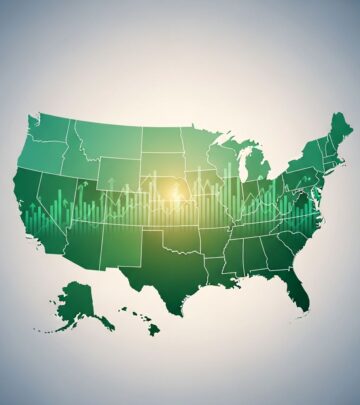
Closing costs can vary significantly by state, ranging from less than 1 percent to nearly 3 percent of the home’s sale price. Several factors contribute to these regional differences, including state laws, local regulations, title insurance requirements, and the complexity of property transfers in different jurisdictions.
According to 2025 data, homebuyers in Washington, D.C. paid the highest average closing costs for a purchase loan at $17,545. New York and Delaware followed with average closing costs exceeding $13,000 and $12,000 respectively. Conversely, states with the lowest average closing costs include Missouri at $1,740, Iowa at $1,640, and South Dakota at $1,551. These significant variations underscore the importance of understanding your specific state’s requirements and costs before entering a real estate transaction.
Who Pays What: Breaking Down Buyer Closing Costs
Buyers typically shoulder most of the closing costs associated with obtaining a mortgage. Understanding which fees buyers customarily pay helps you prepare financially for your home purchase.
Common Buyer Closing Costs
Buyers generally pay for the following expenses:
- Loan Origination Fee: This fee compensates the lender for processing and approving your mortgage application. It typically ranges from 0.5 to 1 percent of your loan amount.
- Appraisal Fee: Lenders require a professional appraisal to determine your property’s current market value. Appraisal fees typically average around $350, though costs can exceed $450 in high-priced areas or for larger properties.
- Credit Report Fee: Lenders pull your credit report to assess your creditworthiness. This fee typically ranges from $10 to $100.
- Title Insurance: This protects you and your lender against claims to the property. Title insurance costs typically range from 0.5 to 1 percent of your loan amount.
- Title Search Fee: The lender typically pays for a search of public records to verify the property’s ownership history. This fee usually ranges from $75 to $200.
- Legal and Closing Fees: Your attorney or the title company may charge fees for reviewing documents and conducting the closing. These can be a flat hourly rate (typically $100–$300 per hour) or a percentage of your loan (0.5–1%).
- Home Inspection: While not always required by lenders, many homebuyers choose to hire an inspector to assess the property’s condition.
- Survey Fee: Some lenders require a property survey to establish its boundaries and identify any encroachments.
- Homeowners Insurance: Your lender requires proof of homeowners insurance before closing. You’ll typically need to provide the first year’s premium.
Who Pays What: Breaking Down Seller Closing Costs
While sellers often pay fewer individual fees than buyers, their closing costs can still be substantial, particularly when considering real estate commissions.
Common Seller Closing Costs
Sellers typically pay for the following expenses:
- Real Estate Agent Commissions: Typically ranging from 5 to 6 percent of the sale price, this is often the seller’s largest closing cost. The seller’s agent and buyer’s agent typically split this commission.
- Transfer Tax: Many states and localities impose a transfer tax on the sale of real property. The responsibility for paying this tax varies by location.
- Recording Fees: These are fees charged by the local government to record the deed transfer and other documents.
- Title Insurance: The seller may pay for the seller’s title insurance policy in some states.
- Prorations: Sellers typically reimburse buyers for property taxes and homeowners association fees paid in advance.
- Home Warranty: Some sellers offer a home warranty to the buyer as a selling incentive.
- Attorney Fees: In states where attorneys must oversee real estate closings, the seller may bear some of these costs.
Negotiable Closing Costs
One of the most important aspects of closing costs that many homebuyers and sellers don’t realize is that many of these fees are negotiable. Understanding which costs can be negotiated and how to approach these conversations can significantly reduce your overall closing expenses.
Buyer Negotiation Strategies
Buyers can employ several strategies to reduce their closing costs:
- Shop Around with Multiple Lenders: Different lenders charge different fees for the same services. Obtaining loan estimates from multiple lenders allows you to compare origination fees, processing fees, and other lender-specific charges.
- Ask for Lender Concessions: Many lenders are willing to negotiate their fees to win your business. You can request that your lender lower the origination fee, waive the application fee, or reduce other discretionary charges.
- Request Seller Concessions: In many markets, particularly when sellers are motivated, sellers may agree to cover some or all of the buyer’s closing costs. This typically requires negotiation during the offer stage.
- Use a No-Closing-Cost Loan: Some lenders offer no-closing-cost loan options, typically in exchange for a higher interest rate. However, this strategy ultimately costs more in the long run since you’ll pay more interest throughout the loan term.
Seller Negotiation Strategies
Sellers can also take steps to manage their closing costs:
- Negotiate Commission Rates: While real estate agent commissions are often standard in your area, they’re not legally fixed. You can negotiate the commission percentage with your agent.
- Discuss Credits with the Buyer: Sellers can offer buyer credits toward closing costs in exchange for a higher purchase price, effectively shifting the burden.
- Limit Seller Concessions: Be clear about what you will and won’t cover before negotiations begin.
Why Lenders Vary Their Closing Costs
You may wonder why closing costs differ so significantly among lenders. The answer lies in their business models and profit strategies. Closing costs vary among lenders due to differences in their marketing strategies, pricing structures, and profit margins. Some lenders try to keep interest rates low and make up the difference in higher fees. Others take the opposite approach—they scale back on small fees but set higher interest rates.
Many lenders that claim they have “no closing costs” simply roll the costs into the loan itself, meaning you’ll finance these expenses and pay interest on them. Additionally, variations in lender policies can reflect state laws that disallow or limit certain fees.
Special Scenarios: HELOCs and Home Equity Loans
Those considering a home equity line of credit (HELOC) or home equity loan should be aware that closing costs for these products differ from traditional mortgages. Home equity loan and HELOC closing costs can range from 1 to 5 percent of the total loan amount, depending on the lender.
HELOCs typically have fewer upfront closing costs than home equity loans but often carry ongoing fees. These may include annual maintenance fees ($5–$250), inactivity fees ($5–$50), transaction fees, and rate-lock fees (typically $50–$75). Early cancellation fees and prepayment penalties can also apply if borrowers close their accounts during the draw period or pay off balances early.
Closing Cost Breakdown Table
| Closing Cost Item | Typical Payer | Estimated Cost Range |
|---|---|---|
| Loan Origination Fee | Buyer | 0.5–1% of loan amount |
| Appraisal Fee | Buyer | $300–$450 |
| Credit Report Fee | Buyer | $10–$100 |
| Title Insurance (Lender Policy) | Buyer | 0.5–1% of loan amount |
| Title Search Fee | Buyer or Seller | $75–$200 |
| Legal and Closing Fees | Both (Negotiable) | Flat rate ($100–$300/hr) or % of loan |
| Real Estate Agent Commission | Seller | 5–6% of sale price |
| Transfer Tax | Seller or Both (Varies) | Varies by state/locality |
| Recording Fees | Buyer or Seller (Varies) | Varies by location |
Frequently Asked Questions
Q: Can buyers and sellers negotiate who pays which closing costs?
A: Yes, most closing costs are negotiable. Buyers can request that sellers cover some costs, and both parties can negotiate terms during the offer stage. The ability to negotiate depends on market conditions and both parties’ motivations.
Q: What’s the difference between a no-closing-cost loan and a traditional mortgage?
A: A no-closing-cost loan allows you to avoid paying closing costs upfront. However, you’ll either pay a higher interest rate or the closing costs will be rolled into your loan amount, meaning you’ll pay interest on them. Over time, this typically costs more than paying closing costs upfront.
Q: Are there any closing costs I can avoid entirely?
A: While you can’t completely avoid closing costs, you can reduce them through shopping around, negotiating with lenders, and potentially having the seller cover some expenses. Some states have lower average closing costs than others due to state regulations.
Q: How do closing costs for refinancing differ from purchase closing costs?
A: Refinancing closing costs are typically lower than purchase closing costs because you don’t need to purchase title insurance or conduct as extensive a title search. However, you’ll still pay for appraisals, origination fees, and legal fees.
Q: Can I include closing costs in my mortgage?
A: Some lenders allow you to roll certain closing costs into your mortgage balance. However, this means you’ll pay interest on these costs throughout your loan term, ultimately costing you more than paying them upfront.
Q: What happens if I disagree with the closing costs quoted?
A: You should compare loan estimates from multiple lenders and point out discrepancies. You can negotiate directly with your lender to reduce specific fees or shop for a different lender altogether. Federal law requires lenders to provide accurate loan estimates.
References
- Mortgage Closing Costs: What Are They, and How Much Will You Pay? — Bankrate. 2025. https://www.bankrate.com/mortgages/what-are-closing-costs/
- Who Pays Closing Costs — Buyers or Sellers? — Bankrate. 2025. https://www.bankrate.com/real-estate/who-pays-closing-costs/
- Closing Costs When Selling A House — Bankrate. 2025. https://www.bankrate.com/real-estate/closing-costs-for-sellers/
- How to Reduce Closing Costs: 6 Negotiation Strategies — Bankrate. 2025. https://www.bankrate.com/real-estate/how-to-negotiate-closing-costs/
- Home Equity Loan Closing Costs in 2025 — Bankrate. 2025. https://www.bankrate.com/home-equity/home-equity-loan-closing-costs/
- Average Closing Costs By State In 2025 — Bankrate. 2025. https://www.bankrate.com/real-estate/average-closing-costs-by-state/
- National Association of Realtors – Median Home Prices — National Association of Realtors. February 2025. https://www.nar.realtor/
Similar Articles








Read full bio of medha deb