Who Does Car Insurance Actually Protect
Understanding vehicle vs. driver coverage in auto insurance policies

One of the most common questions people ask about auto insurance is whether their policy protects the vehicle itself or the person driving it. The reality is that car insurance does both, but in different ways. Understanding this distinction is crucial for anyone purchasing a policy or making a claim. Your auto insurance contains multiple layers of protection that cover both the physical vehicle and the individuals operating it, though the extent of each protection varies depending on the specific coverage types you’ve selected.
The Fundamental Structure of Auto Insurance Protection
Auto insurance policies are built around a dual protection model that serves two primary purposes. First, they protect you financially if you cause harm to someone else—this is where liability coverage comes into play. Second, they protect your vehicle and yourself if you’re injured in an accident or your car is damaged. This two-pronged approach means that when you purchase a car insurance policy, you’re actually buying multiple types of protection that activate in different circumstances.
The confusion about whether insurance covers the car or the driver often stems from the fact that different coverage types function differently. Some protections follow the vehicle, while others follow the person. Recognizing these distinctions helps you understand exactly what happens when you file a claim and what situations your policy will actually cover.
Liability Coverage: Protecting Others When You’re at Fault
Liability coverage is perhaps the most misunderstood aspect of auto insurance when it comes to the car-versus-driver question. This coverage type is fundamentally about protecting the driver who causes an accident, not the vehicle itself. Liability insurance is mandatory in nearly every state because it protects other people and their property when you cause an accident.
Liability coverage consists of two components that work together to provide comprehensive protection when you’re deemed responsible for an accident:
- Bodily Injury Liability: This covers medical expenses, rehabilitation costs, lost wages, and legal expenses if you injure or kill another person in an accident. It protects you from the financial consequences of causing harm to someone else, including covering their medical treatment and any legal judgments against you.
- Property Damage Liability: This covers the cost of repairing or replacing property you damage in an accident. This might include another person’s vehicle, their home, a fence, utility pole, or any other property destroyed as a result of your driving.
The critical aspect of liability coverage is that it protects the driver and vehicle owner financially, regardless of whether you own the vehicle or are simply borrowing it. The protection is tied to the driver who caused the accident and the vehicle involved, meaning the liability policy responds when claims arise from your actions behind the wheel.
Comprehensive and Collision Coverage: Protecting Your Vehicle
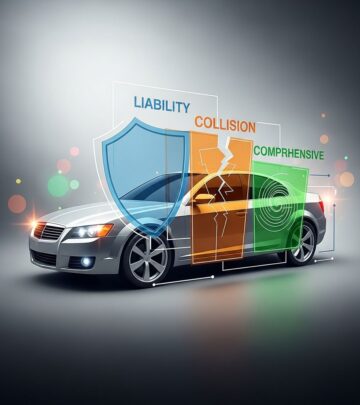
While liability coverage protects other people, comprehensive and collision coverage protect your own vehicle from damage. These optional coverage types are the primary means by which your car itself is protected under your insurance policy.
Collision coverage applies when your vehicle strikes another vehicle or object, such as a tree, guardrail, or fence. This coverage pays for repairs or replacement of your vehicle when you cause an accident through contact with another object. The protection applies regardless of who was driving your car at the time of the accident, which demonstrates how vehicle-focused this coverage type truly is.
Comprehensive coverage protects your vehicle from damage caused by events outside your control. These include theft, vandalism, fire, hail, flooding, and collisions with animals. Comprehensive coverage activates when your car is damaged by covered perils unrelated to a collision with another vehicle or object. Like collision coverage, it protects the vehicle itself, and the protection applies regardless of who was driving when the damage occurred.
Both of these coverage types include a deductible, which is the amount you pay out of pocket before the insurance company reimburses you for a covered claim. By selecting a higher deductible, you can lower your premium, though this means you’ll pay more when you file a claim.
Medical Payments and Personal Injury Protection: Protecting the Driver and Passengers
Beyond liability coverage, auto insurance also protects the driver and passengers through medical coverage options. These protections focus specifically on covering injuries to people rather than property damage or third-party harm.
Medical Payments coverage (MedPay) covers medical and funeral expenses for you, your passengers, and sometimes family members who are injured in an auto accident, regardless of who was at fault. This coverage applies even if you were partially or completely responsible for the accident, making it a no-fault protection that focuses on the people in your vehicle.
Personal Injury Protection (PIP), also known as no-fault insurance in some states, goes further than basic medical payments. PIP covers medical expenses, lost wages, rehabilitation costs, and funeral expenses for you and your passengers following an accident, regardless of fault. This coverage type is frequently required in no-fault states and provides comprehensive protection for the people occupying your vehicle.
These coverage types clearly protect the driver and passengers rather than the vehicle itself. They activate based on who was injured and what medical treatment they required, not on the condition of the car.
Uninsured and Underinsured Motorist Coverage: Protection Against Other Drivers
Uninsured and underinsured motorist coverage protects you when another driver causes an accident but has insufficient or no insurance to cover the damages. This coverage type offers protection that encompasses both vehicle protection and personal injury protection.
Uninsured motorist bodily injury coverage pays for your medical expenses and those of your passengers when an uninsured driver injures you. Uninsured motorist property damage coverage covers damage to your vehicle caused by an uninsured driver. This coverage protects you—the driver—and your vehicle when you’re victimized by another driver’s negligence and lack of insurance.
In underinsured motorist scenarios, the other driver has insurance but insufficient coverage limits to fully compensate you for your losses. Underinsured motorist coverage fills this gap, protecting you from covering the remaining expenses yourself.
How Insurance Transfers When Different Drivers Use Your Vehicle
A key question that arises is what happens to your insurance protection when someone else drives your car. The answer reveals important nuances about how auto insurance actually functions.
Generally, auto insurance follows the vehicle rather than the driver. This means that when a friend borrows your car and causes an accident, your insurance policy is the primary coverage that applies. Your liability coverage protects you and your friend from financial consequences because the accident involved your insured vehicle. Your comprehensive and collision coverage also protects your vehicle regardless of who was driving.
However, this doesn’t mean the driver is unprotected if they have their own policy. If your friend has their own auto insurance and causes an accident while driving your car, both insurance policies may apply, with yours typically being primary and theirs being secondary. This stacking of coverage helps ensure that all losses are covered up to applicable limits.
There are important limitations to consider. Excluded drivers listed on your policy are not covered, meaning you cannot exclude someone from coverage and then have your insurance apply if they cause an accident. Additionally, if someone regularly uses your vehicle and isn’t listed as a driver on your policy, your insurer might deny claims involving that person.
What Coverage Actually Means for Vehicle Owners vs. Drivers
| Coverage Type | Primary Focus | What’s Protected | Applies When |
|---|---|---|---|
| Liability | Driver & Vehicle Owner | Third-party injuries and property damage | You’re found at fault for an accident |
| Collision | Vehicle | Your car’s repair or replacement | Your vehicle hits another vehicle or object |
| Comprehensive | Vehicle | Your car from non-collision damage | Theft, vandalism, fire, weather, or animal contact |
| MedPay/PIP | Driver & Passengers | Medical expenses and lost wages | Any accident regardless of fault |
| Uninsured/Underinsured Motorist | Driver & Vehicle | Your injuries and vehicle damage from uninsured drivers | An uninsured or underinsured driver causes an accident |
Requirements from Lenders and Leasing Companies
If you have financed your vehicle through a loan or are leasing it, your lender or leasing company typically requires you to maintain collision and comprehensive coverage. This requirement exists because the lender has a financial interest in the vehicle. They want to ensure that if your car is damaged, insurance will pay to repair or replace it rather than leaving them with a damaged asset to recoup.
This requirement demonstrates another layer of how auto insurance protects different entities. When you have a car loan, the insurance policy protects three parties: you (the driver), the lender (the financial institution), and the vehicle itself. The lender must be listed as the lienholder on your policy and receives notice if you cancel the policy.
Common Misconceptions About Car Insurance Coverage
Many people believe that having car insurance means they have complete protection in all accident scenarios. In reality, auto insurance has specific conditions and limitations. Your policy won’t cover intentional damage to your vehicle, damage from normal wear and tear, or accidents where you were using your car for commercial purposes if your policy is designed for personal use only.
Another misconception is that all drivers automatically have coverage under a policy. In reality, your insurance only covers drivers you’ve listed on your policy (with rare exceptions for occasional drivers), and excluded drivers are specifically not covered even if they cause an accident.
People also frequently misunderstand the relationship between their own liability limits and the damage caused. If you cause an accident resulting in damages exceeding your liability limits, you could be personally responsible for paying the difference, demonstrating that insurance protection has financial boundaries.
Frequently Asked Questions
Does my car insurance cover me if I drive someone else’s car?
In most cases, your auto insurance policy extends coverage to you when you drive other vehicles with the owner’s permission. However, coverage specifics vary by policy. Your liability coverage typically applies, protecting you from financial responsibility if you cause an accident. This coverage is called insured under contract or insured under permission. However, collision and comprehensive coverage may not apply if you’re driving someone else’s car, which is why it’s important to understand your policy details.
What happens if someone borrows my car and gets in an accident?
If a friend borrows your car and causes an accident, your insurance is the primary coverage. Your liability coverage protects both you and your friend from financial consequences, and your collision and comprehensive coverage (if you have them) protect your vehicle. The accident will likely affect your insurance rates because your vehicle was involved, regardless of who was driving.
Can my insurance company deny a claim if someone else was driving?
Your insurance company can deny a claim if the driver was excluded from coverage, wasn’t listed on the policy when required, or was using the vehicle in a way not covered by your policy. However, if the driver was a permitted driver (family member or friend with permission), your claim should be covered as long as the accident wasn’t excluded.
Does rental car coverage follow the car or the driver?
Rental reimbursement coverage is tied to your vehicle. If your car is in the shop after a covered accident, this coverage pays for a rental car while your vehicle is being repaired. The coverage applies to whoever is renting the car while your vehicle is unavailable, making it vehicle-focused rather than driver-focused.
What if I have multiple drivers in my household?
All regular drivers in your household should be listed on your auto insurance policy. Each driver gets assigned a rating that affects your overall premium based on their driving record and age. If a household member isn’t listed and causes an accident, your insurer may deny the claim based on misrepresentation of drivers on the policy.
Making Informed Decisions About Your Coverage
Understanding whether your auto insurance protects the car or the driver helps you make informed decisions about coverage levels and types. The answer is that it does both, but in different ways. Liability coverage protects the driver and vehicle owner financially when you cause harm to others. Medical coverage protects the people in your vehicle. Vehicle damage coverage protects your car. By recognizing these distinctions, you can ensure you have adequate protection for your specific situation and the drivers in your household.
When reviewing your policy or shopping for insurance, pay attention to which coverages protect what, ensure all regular drivers are listed, and verify that your coverage limits are appropriate for your situation and assets. This comprehensive understanding of how auto insurance works will help you avoid gaps in protection and prevent unexpected out-of-pocket expenses when accidents occur.
References
- Six Types of Car Insurance Coverage — Allstate. https://www.allstate.com/resources/car-insurance/types-of-car-insurance-coverage
- Types of Car Insurance Coverage — Mercury Insurance. https://www.mercuryinsurance.com/resources/basics-101/types-of-car-insurance-coverage.html
- Auto Insurance Coverage: 6 Types Explained — The Hartford. https://www.thehartford.com/aarp/car-insurance/coverage
- Types of Car Insurance Coverages — Progressive. https://www.progressive.com/answers/types-of-car-insurance/
- Auto insurance basics—understanding your coverage — III (Insurance Information Institute). https://www.iii.org/article/auto-insurance-basics-understanding-your-coverage
Similar Articles








Read full bio of medha deb