Which Income Class Are You? Understanding Your Financial Status
Discover where you stand financially and understand income classification categories.
Understanding your income class is a fundamental step toward building financial literacy and planning for your future. Income classification goes beyond simply knowing your salary—it encompasses your overall economic position, wealth accumulation potential, and financial opportunities. The traditional understanding of income classes has evolved significantly over the past decades, yet it remains a useful framework for understanding economic disparity and personal financial planning.
In today’s economy, determining your income class requires examining multiple factors including gross income, net worth, educational attainment, and occupational status. This classification system helps individuals and policymakers understand economic inequality and develop strategies for financial growth and stability.
Understanding Income Class Categories
Income classes are typically divided into several broad categories that reflect different economic statuses and lifestyles. These classifications help us understand the structure of society and the distribution of resources across the population.
The Lower Income Class
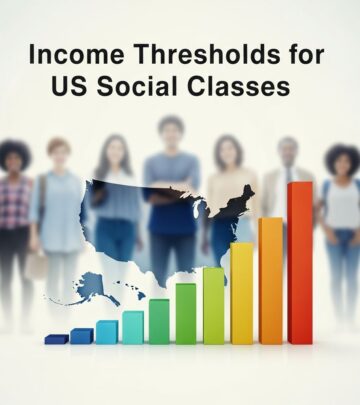
The lower income class, often referred to as the working poor or low-income earners, typically includes individuals and families earning below the median household income. In many developed nations, this includes households earning below $25,000 to $35,000 annually, though this varies significantly by location and cost of living.
Members of the lower income class often work full-time or multiple jobs but struggle to meet basic needs consistently. They may face challenges with housing stability, healthcare access, and educational opportunities for their children. Despite these challenges, many individuals in this category demonstrate remarkable resilience and entrepreneurial spirit in their efforts to improve their financial circumstances.
The Middle Income Class
The middle class represents the largest portion of the population in most developed economies and is often considered the backbone of economic stability. Middle-income earners typically have household incomes ranging from approximately $35,000 to $100,000 annually, though this range varies considerably based on geographic location and family size.
Characteristics of the middle class include:
- Stable employment with regular income
- Ownership of a home or substantial equity in real estate
- Access to healthcare and education
- Ability to save for retirement and emergencies
- Consumer purchasing power for discretionary items
- Educational attainment beyond high school
The middle class has historically served as an important engine for economic growth and social mobility. However, in recent years, the middle class has faced pressures from stagnant wages, rising costs of living, and increasing wealth inequality.
The Upper-Middle Income Class
The upper-middle income class typically includes households earning between $100,000 and $250,000 annually. This group generally includes professionals such as doctors, lawyers, engineers, and business executives. Members of this class typically enjoy financial security, significant discretionary spending power, and substantial investment opportunities.
Individuals in the upper-middle class often possess advanced degrees, professional certifications, or specialized skills that command premium salaries. They typically have considerable equity in multiple properties, diverse investment portfolios, and the ability to provide significant financial advantages to their children.
The Upper Income Class (The Wealthy)
The upper income class, often referred to as the wealthy or affluent, includes those earning more than $250,000 annually. However, true wealth is often measured not by income alone but by net worth and assets accumulated over time. This class may include business owners, senior executives, investors, and high-earning professionals.
The wealthy typically possess:
- Multiple income streams from diverse sources
- Substantial investment portfolios
- Real estate holdings beyond primary residence
- Access to exclusive financial planning and investment opportunities
- Ability to influence economic and political decisions
- Generational wealth transfer capabilities
Factors That Determine Your Income Class
Your income class is not determined by a single factor but rather by multiple interconnected variables that together paint a complete picture of your economic status.
Annual Household Income
Your gross household income is the most obvious indicator of income class. This includes all earnings from employment, self-employment, investments, and other sources before taxes and deductions. However, it’s important to note that gross income differs significantly from net income, which is what you actually take home after taxes and expenses.
Net Worth and Assets
Net worth represents your total assets minus liabilities and often provides a more accurate picture of economic status than income alone. A person earning $50,000 annually with no debt and owned property may have greater financial security than someone earning $100,000 but carrying substantial debt.
Education and Professional Status
Educational attainment strongly correlates with income class. Those with bachelor’s degrees typically earn more than high school graduates, while those with advanced degrees (master’s, PhD, professional certifications) typically earn even more. Your professional field and position within your organization also significantly influence your income class.
Employment Stability
The stability and nature of your employment affects your income class classification. Full-time permanent employment with benefits typically places you in a higher class than contract work or part-time employment. Tenure in your position and industry growth prospects also matter.
Geographic Location
Your geographic location dramatically impacts income class because cost of living varies significantly. A $75,000 salary in rural areas may provide an upper-middle-class lifestyle, while the same salary in major metropolitan areas might classify you as working class or lower-middle class.
Income Distribution and Wealth Inequality
Understanding income classes requires recognizing the distribution of wealth across the population. In most developed economies, wealth is not evenly distributed—a significant portion of total wealth is concentrated among a small percentage of the population.
The Gini coefficient is a commonly used measure of income inequality that ranges from 0 (perfect equality) to 1 (perfect inequality). Most developed nations have Gini coefficients between 0.3 and 0.5, indicating significant but varying levels of inequality.
Key statistics about income distribution show that:
- The top 20% of earners typically control 45-50% of total wealth
- The middle 60% control approximately 45-50% of wealth
- The bottom 20% control only 2-5% of total wealth
- Wealth concentration has been increasing in recent decades
- Intergenerational wealth transfer plays a significant role in maintaining class divisions
Social and Economic Implications of Income Classes
Income class extends beyond mere financial statistics—it significantly influences life outcomes, opportunities, and social standing.
Access to Opportunity
Your income class substantially affects your access to quality education, healthcare, networking opportunities, and capital for entrepreneurship. Higher income classes typically have greater access to these resources, creating compounding advantages over time.
Health Outcomes
Research consistently demonstrates that income class correlates with health outcomes. Lower-income individuals often have limited access to preventive healthcare, resulting in higher rates of chronic diseases and lower life expectancy. Higher-income individuals typically have better access to quality healthcare and health information.
Educational Opportunities
Children from higher-income families typically attend better-funded schools and have greater access to tutoring, extracurricular activities, and college preparation resources. This advantage often translates into better educational outcomes and higher lifetime earnings.
Financial Security
Different income classes have vastly different abilities to weather financial emergencies. Lower-income households often lack emergency savings and face financial crisis from unexpected expenses, while higher-income households typically have substantial emergency funds and insurance coverage.
Strategies for Moving Up the Income Ladder
Regardless of your current income class, strategic financial planning and personal development can help you advance to a higher economic status.
Invest in Education and Skills
Pursuing additional education, certifications, or specialized skills training significantly increases earning potential. Many fields reward continuing education with substantial salary increases and career advancement opportunities.
Build Professional Networks
Strong professional networks create opportunities for better employment, business partnerships, and mentorship. Attending industry conferences, joining professional associations, and cultivating relationships with colleagues can open doors to higher-paying positions.
Develop Multiple Income Streams
Relying on a single income source limits your earning potential. Developing side businesses, investment income, freelance work, or passive income streams can substantially increase your total household income and accelerate wealth accumulation.
Build and Maintain Wealth
Consistent saving, wise investment decisions, and debt management are crucial for building wealth and advancing income classes. Creating a financial plan that includes emergency savings, retirement contributions, and diversified investments helps ensure long-term financial security.
Entrepreneurship and Business Ownership
Starting a business offers potential for substantially higher income and wealth accumulation than traditional employment. However, entrepreneurship carries risks and requires significant time, capital, and business acumen.
Challenges in Changing Income Classes
While advancement between income classes is possible, significant barriers exist that make such transitions challenging for many individuals.
Socioeconomic Barriers
Individuals born into lower-income families often face systemic barriers including limited access to quality education, fewer professional networks, and less capital for investment or business development. These barriers can perpetuate intergenerational poverty despite individual effort and talent.
Economic Cycles and Job Market Conditions
Economic recessions, industry disruptions, and job market changes can impact income regardless of individual qualifications. Automation and globalization have particularly affected traditional middle-class jobs in manufacturing and clerical work.
Access to Capital
Starting a business or making significant investments requires capital. Individuals without savings or access to credit face substantial challenges in pursuing these wealth-building opportunities.
Frequently Asked Questions
Q: What is the most accurate way to determine my income class?
A: The most accurate assessment combines multiple factors: your gross household income, net worth, educational attainment, employment stability, and geographic location. Consider your position relative to regional median income and your ability to meet needs and build wealth.
Q: How has income class distribution changed over recent decades?
A: In most developed nations, wealth inequality has increased significantly since the 1980s. The middle class as a percentage of the population has shrunk, while the gap between upper and lower classes has widened considerably.
Q: Is it possible to move from lower to upper income class?
A: Yes, income mobility is possible through education, skills development, career advancement, entrepreneurship, and strategic wealth-building. However, it typically requires sustained effort and can be affected by economic conditions and systemic barriers.
Q: Does income class affect financial planning strategies?
A: Absolutely. Different income classes have different financial planning priorities. Lower-income households focus on emergency savings and debt reduction, middle-income households emphasize retirement planning, and upper-income households pursue tax optimization and wealth preservation.
Q: How does geographic location impact income class classification?
A: Geographic location significantly affects income class because cost of living varies dramatically. A salary that places you in the upper-middle class in rural areas might only represent middle class status in major metropolitan centers.
Q: What role does debt play in income class determination?
A: Debt substantially impacts your effective income class. High debt loads reduce discretionary income and net worth, potentially lowering your effective income class despite high gross income. Managing debt is crucial for wealth building.
References
- Income, Poverty, and Health Insurance Coverage in the United States — U.S. Census Bureau. 2023. https://www.census.gov/library/publications/2023/demo/p60-276.html
- Measuring Income Inequality: The Gini Index — World Bank. 2024. https://data.worldbank.org/indicator/SI.POV.GINI
- The State of the Middle Class — Pew Research Center. 2023. https://www.pewresearch.org/social-trends/2023/02/27/the-growing-size-of-the-middle-class/
- Education and Lifetime Earnings — U.S. Bureau of Labor Statistics. 2023. https://www.bls.gov/emp/chart-unemployment-earnings-education.htm
- Wealth Inequality in America: Findings from the Survey of Consumer Finances — Board of Governors of the Federal Reserve System. 2023. https://www.federalreserve.gov/publications/files/scf23.pdf
Similar Articles








Read full bio of Sneha Tete