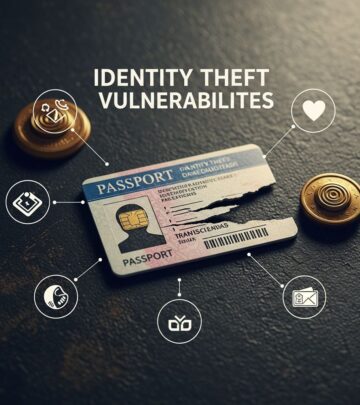
Documents To Shred: A Complete Retention And Shredding Guide
A comprehensive guide to identifying and safely destroying documents to protect your identity and financial security.
Which Documents Should You Shred?
Identity theft remains one of the fastest-growing crimes in America, and the documents sitting in your filing cabinet or desk drawer could be the key that criminals need to access your personal information. Protecting yourself from fraud and identity theft requires understanding which documents contain sensitive information and knowing when to safely destroy them. Rather than tossing documents in the trash or recycling bin, shredding is an essential step in protecting your financial well-being and personal security.
Why Document Shredding Matters
Many people underestimate the value of their personal documents to identity thieves. A seemingly innocuous piece of paper—a utility bill, old bank statement, or discarded insurance offer—can provide criminals with enough information to open fraudulent accounts, obtain loans in your name, or access your bank accounts. Documents containing your name, address, Social Security number, account numbers, or signature are particularly vulnerable. By shredding these documents at appropriate times, you significantly reduce your risk of becoming an identity theft victim.
Documents to Shred Immediately
Certain documents should be destroyed as soon as you no longer need them. These items typically contain personal identifiers or financial information that poses an immediate security risk:
- Junk mail and pre-approved offers – Credit card offers, insurance offers, and other unsolicited mail with your name and address should be shredded immediately rather than thrown away.
- Sales receipts – Unless related to warranties, taxes, or insurance claims, destroy sales receipts immediately after your purchase.
- ATM receipts – These documents display your account balance and may contain partial account numbers, making them targets for fraud.
- Utility bills – Once you’ve paid a utility bill, shred it rather than keeping it in a pile of papers.
- Credit or credit card offers – Unwanted credit card applications and pre-approved card offers should be destroyed immediately.
- Canceled checks – Old checks contain your routing and account numbers, routing information, and signature.
- Expired warranties – Once a warranty expires, you no longer need the documentation.
- Old driver’s licenses and photo IDs – Expired identification documents should be shredded as soon as they’re replaced, as they contain your photo and signature.
- Medical prescription labels – These labels contain your name, medications, and prescription information that could be misused.
- Handwritten notes and memos – Sticky notes and notepads containing account numbers, passwords, or personal information should be shredded rather than discarded.
Documents to Shred After 30–60 Days
Some documents can be held briefly before destruction, allowing you time to verify the information they contain:
- Pay stubs – After you’ve verified that the information matches your W-2 form, shred pay stubs.
- Checks deposited through mobile apps – Once you’ve confirmed that a mobile check deposit has been processed successfully, destroy the original check.
- Credit card bills – After paying a credit card bill, wait a brief period before shredding to ensure the payment has been processed.
Documents to Shred Within One Year
Several categories of documents can be safely destroyed after approximately one year:
- Bank statements – Most financial experts recommend shredding bank statements and any documents with banking account information after one year.
- Medical bills – Paid medical bills should be kept for approximately one year before being shredded, unless you have an unresolved insurance dispute.
- Utility bills – While paid utility bills can be shredded immediately, keeping them for reference up to one year is acceptable before destruction.
- Bills kept for tax or warranty purposes – Once the warranty expires or the tax year closes, destroy these bills.
- Social Security statements – Old versions of your Social Security statement can be shredded after one year, keeping only the most current version.
- Insurance policy statements – Previous versions of insurance documentation can be destroyed after one year, retaining only current policies.
- Retirement plan statements – Old statements from retirement accounts can be shredded after one year if you have more recent documentation.
Documents to Keep Three Years
Tax-related documents require longer retention periods due to IRS regulations. After three years from your tax filing date, you may safely shred the following:
- Tax returns and supporting documentation
- W-2 forms
- 1099 and 1098 forms
- Receipts from charitable donations
- Contributions to IRAs and other tax-deductible retirement savings accounts
Documents Requiring Seven-Year Retention
The IRS recommends keeping certain tax-related documents for seven years. This extended timeline protects you in case of an audit or if the IRS questions your tax filings. Documents to keep for seven years include:
- Tax-related receipts and proof of expenses
- Tax forms and records
- Canceled checks related to taxes
- W-2 and 1099 forms
- Records for tax deductions claimed
- Investment records – Keep for seven years after selling securities or closing the investment account
- Checks from charitable donations
Special Situations: Keep Until Event Resolution
Certain documents should be retained until a specific life event occurs or is resolved, regardless of the standard timeline:
- Car titles – Keep while you own the vehicle; shred once the vehicle is sold or traded.
- Home improvement receipts – Retain until you sell your home, as these expenses may reduce capital gains taxes.
- Warranty documentation – Keep during the warranty period; shred once expired.
- Medical records – Keep as long as needed for reference, but shred when the information is no longer relevant to your healthcare.
- Insurance records – Keep as long as your policy is active, plus approximately five years after cancellation.
Documents to Keep Permanently
Certain documents are important enough to retain indefinitely or digitally archive:
- Birth certificates
- Social Security cards
- Current passports
- Marriage certificates
- Divorce decrees
- Adoption papers
- Deed to your home
- Mortgage documents
- Living wills and power of attorney documents
- Tax returns – Conservative advice recommends keeping these permanently
Secure Methods for Destroying Documents
Once you’ve determined which documents to shred, it’s crucial to use a secure destruction method. Simply tossing documents in the trash provides easy access for dumpster divers and identity thieves. Several safe destruction options are available:
Professional Shredding Services
Professional document destruction companies offer the highest level of security. These services either come to your location or provide drop-off and pick-up options for your sensitive documents and old hard drives. When selecting a shredding service, ensure the company is reputable and provides a “certificate of destruction” after completing the service. You can verify a company’s reputation through the Better Business Bureau (BBB) before using their services.
Home Paper Shredders
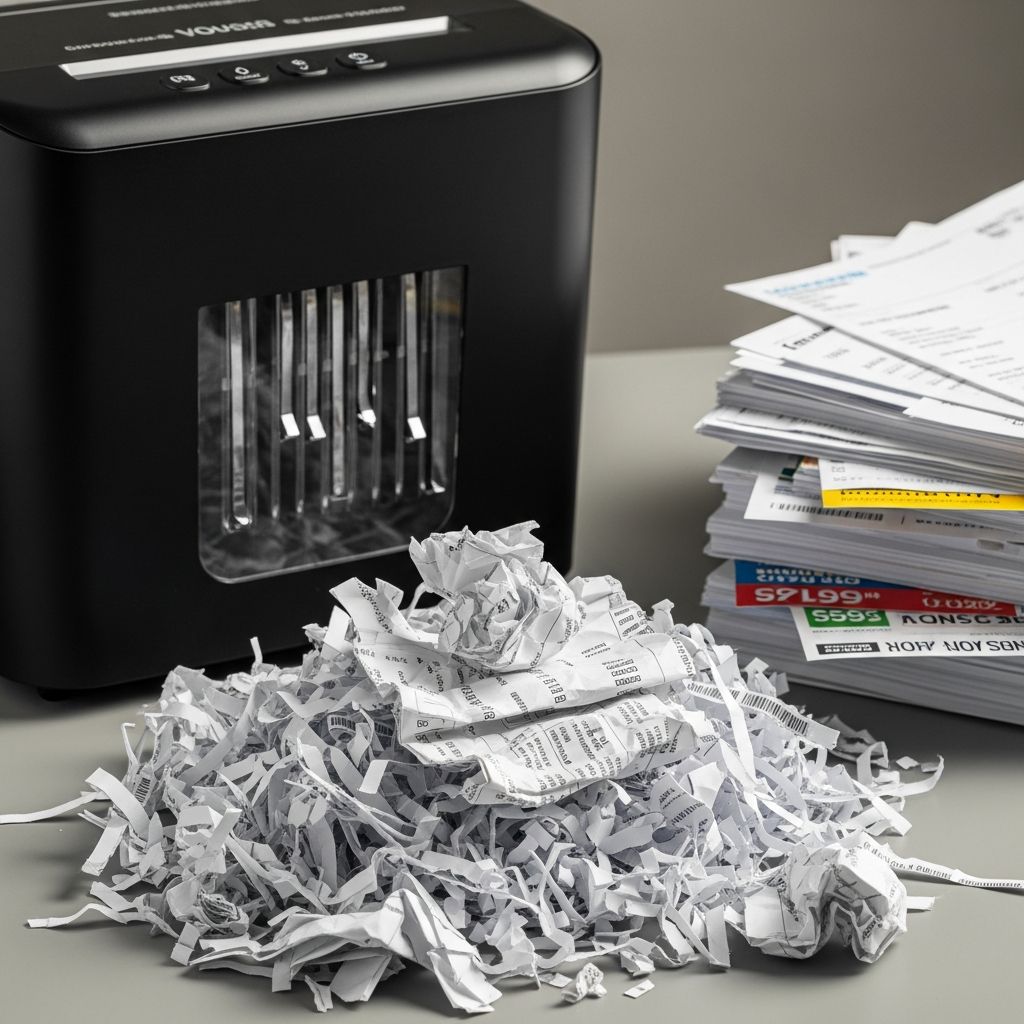
While not as secure as professional services, home paper shredders offer a convenient option for regular document destruction. Most modern shredders can handle paper documents, credit cards, CDs, and DVDs. Cross-cut shredders provide more security than strip-cut models by creating smaller pieces that are more difficult to reconstruct. When using a home shredder, ensure you destroy all documents completely and dispose of the shredded material in the trash immediately.
Scissors Method
If you don’t have access to a shredder, cutting up documents with scissors is better than leaving them intact, though it’s the least secure method. Cut documents into small pieces, and be sure to separately destroy account numbers, card numbers, and signatures. However, this manual method is time-consuming and leaves room for error, so it should only be used as a last resort.
Going Digital: Scanning and Storage
Rather than keeping physical documents indefinitely, consider scanning important paperwork and storing digital copies securely. Smartphone apps and document scanners can create clear, precise digital copies of your records. Once you have digital copies, you can safely shred the original paper documents following your retention timeline. For important documents like tax returns and financial statements, a fully intact digital copy is generally sufficient for normal circumstances, including cost basis documentation for investment purposes.
When storing digital documents, use encrypted cloud storage or secure password-protected folders on your computer. Ensure your digital files are backed up and accessible should you need them for tax audits, insurance claims, or other important matters. Digital storage also solves the organization problem that comes with storing physical documents for decades.
Creating a Document Retention System
The key to effective document management is establishing a system that works for your household or business. Consider labeling folders or boxes by document type and retention date. Set calendar reminders for key shredding dates, such as one year after receiving bank statements or seven years after filing taxes. By staying organized and following a consistent schedule, you can ensure that you’re neither keeping documents too long nor destroying ones you still need.
Common Mistakes to Avoid
When managing your documents, avoid these common errors:
- Keeping everything – While some people archive all documents indefinitely, this creates clutter and makes it difficult to find important papers when needed.
- Throwing away important documents – Don’t discard documents without verifying their retention requirements; tax and legal documents often need to be kept longer than you might think.
- Using regular trash – Never place sensitive documents in regular trash bins. Always shred or use secure destruction methods.
- Forgetting to destroy digital files – If you’ve scanned documents, delete the digital copies once the retention period expires.
- Overlooking junk mail – Pre-approved offers and unsolicited mail are frequent targets for identity theft because people don’t consider them important.
Frequently Asked Questions
Q: How long should I keep tax returns?
A: The IRS typically recommends keeping tax returns for at least three years, but conservative advice suggests keeping them permanently or maintaining indefinite digital copies. If you fail to report more than 25% of your gross income, the IRS can audit you up to six years after filing.
Q: Can I recycle documents instead of shredding them?
A: No. Recycling sensitive documents is not secure. Recycling facilities and recycled paper can be accessed by identity thieves. Always shred documents containing personal or financial information.
Q: Is a digital copy sufficient for tax records?
A: Yes. A fully intact digital copy is generally sufficient for normal circumstances, including IRS documentation and cost basis records. You can safely shred the original paper documents once you have secure digital copies.
Q: What should I do with old credit cards and IDs?
A: Shred expired credit cards and old identification documents immediately after they’re replaced. These items contain your signature and sensitive information that could be misused.
Q: Are professional shredding services worth the cost?
A: For large quantities of sensitive documents, professional shredding services provide security and peace of mind. They offer certificates of destruction and proper disposal methods that home shredders cannot match.
Q: How should I dispose of documents with passwords or sensitive notes?
A: Handwritten notes containing passwords, account numbers, or personal information should be shredded immediately. Never leave such notes visible or in regular trash where they could be recovered.
References
- A Pack Rat’s Guide to Shredding — Federal Trade Commission (FTC) Consumer Advice. 2015-05. https://consumer.ftc.gov/consumer-alerts/2015/05/pack-rats-guide-shredding
- What Documents Do You Need To Shred? — IdentityGuard. 2024. https://www.identityguard.com/news/to-shred-or-not-to-shred-tax-season-preparation
- 10 Things You Need to Shred Immediately — DataShield Corporation. https://datashieldcorp.com/documents-secure-10-things-need-shred/
- Checklist Of Important Documents To Keep Or Shred — Kitces.com. https://www.kitces.com/blog/checklist-important-financial-legal-documents-keep-shred-digital-retention-safe-deposit-box/
- How Long Should You Keep Bank Statements? — SmartAsset. https://smartasset.com/checking-account/how-long-to-keep-bank-statements
Similar Articles








Read full bio of medha deb