Where to Get a Money Order: Best Places to Purchase
Find the best places to purchase money orders with competitive fees and convenient locations.
Where to Get a Money Order: Complete Guide to Your Options
Money orders are a reliable and secure way to send funds without exposing yourself to the risks associated with carrying cash or writing personal checks. Whether you need to pay rent, settle a debt, or send money to a family member, knowing where to purchase a money order and understanding the associated costs can help you make the most economical choice. This comprehensive guide explores the various locations where you can obtain a money order and what you can expect to pay at each venue.
Understanding Money Orders
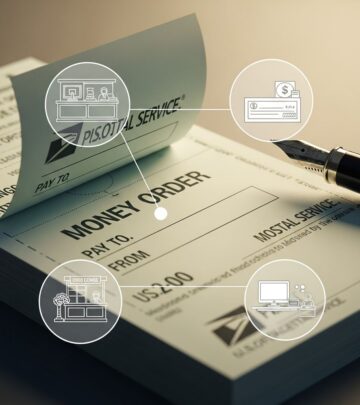
A money order is a prepaid payment instrument that functions similarly to a check but with guaranteed funds. Unlike personal checks, which can bounce due to insufficient funds in your account, money orders are purchased with cash or a debit card upfront, ensuring the recipient receives the full amount. This makes money orders an excellent choice for individuals without bank accounts, those making payments to unfamiliar recipients, or anyone seeking a safer alternative to cash transactions.
Money orders are particularly valuable in situations where the recipient needs assurance that funds are available. Because the issuing institution has already collected payment before issuing the money order, there is no risk of non-payment. This security feature has made money orders popular for rental deposits, utility payments, and other transactions where certainty matters.
Primary Locations to Purchase Money Orders
United States Postal Service (USPS)
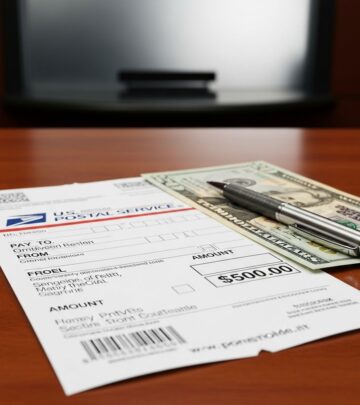
The USPS is one of the most accessible places to purchase a money order. With thousands of post office locations across the United States, the postal service provides convenient access for most Americans. USPS money orders are available for domestic transfers up to $1,000 per money order, making them suitable for most everyday transactions.
The USPS pricing structure is tiered based on the amount being sent. For money orders ranging from $0.01 to $500, the fee is $2.55. For larger amounts between $500.01 and $1,000, the cost increases to $3.60. These fees represent some of the most competitive rates available in the money order market, making USPS an economical choice for most consumers.
Walmart
Walmart offers an exceptionally affordable money order service with fees capped at just $1 for any amount up to $1,000. With over 4,600 Walmart locations nationwide, accessibility is rarely an issue. You can typically find the money order service at the customer service desk or money center within the store. Walmart’s low fees and widespread availability make it an attractive option for budget-conscious consumers.
The simplicity of Walmart’s pricing structure—a flat $1 fee regardless of the amount—makes it easy to calculate your total cost. This straightforward approach appeals to customers who prefer transparency and predictability when managing their finances.
Banks and Credit Unions
Most banks and credit unions offer money order services to their customers. Major institutions like Chase Bank, Wells Fargo, and Truist typically charge $5 per money order for amounts up to $1,000. While this fee is higher than postal service or Walmart options, having access to money orders through your primary financial institution provides convenience and allows you to handle the transaction during routine banking activities.
Some financial institutions may offer discounted rates for customers with premium accounts or membership levels. Additionally, if you already maintain an account at a particular bank or credit union, conducting multiple financial services at one location can save time and consolidate your record-keeping.
Grocery Stores
Major grocery store chains like Kroger provide money order services at their customer service counters. The fees at grocery stores vary by region and specific institution, but they typically remain competitive with other retail options. Kroger rewards members may also receive discounts on money order fees when using their loyalty cards, providing additional savings opportunities.
The advantage of purchasing money orders at grocery stores is the convenience factor. Many people already visit grocery stores regularly, so obtaining a money order can be accomplished during a routine shopping trip without requiring a special visit to a financial institution.
Convenience Stores and Gas Stations
Many convenience stores and gas stations across the country offer money order services. While not all locations provide this service, chains like 7-Eleven and various independent convenience stores have partnered with money order providers to offer this service to their customers. Fees at these locations typically range from $1 to $3, depending on the specific vendor and the amount being sent.
Convenience stores and gas stations are ideal for customers who need to purchase a money order outside standard banking hours or who are located in areas without nearby post offices or major retailers. The extended hours of operation at these establishments make them valuable resources for those with non-traditional schedules.
Check-Cashing Businesses
Dedicated check-cashing businesses often provide money order services alongside their primary offerings. These establishments are particularly valuable for individuals without bank accounts who may need multiple financial services. Fees at check-cashing businesses vary widely but generally fall within the $1 to $5 range, depending on the amount of the money order and local market conditions.
Money Order Fees Comparison
| Institution | Fee Structure | Maximum Amount | Availability |
|---|---|---|---|
| USPS | $2.55 (up to $500), $3.60 ($500-$1,000) | $1,000 | Most locations nationwide |
| Walmart | $1 flat fee | $1,000 | 4,600+ locations |
| Chase Bank | $5 | $1,000 | Chase branches only |
| Wells Fargo | $5 | $1,000 | Wells Fargo branches only |
| Kroger | Varies by region | $1,000 | Kroger locations |
| Truist | $5 | $1,000 | Truist branches only |
Understanding Money Order Limits
Money orders have maximum dollar amounts per transaction to comply with federal anti-money laundering regulations and reduce fraud risk. Most domestic money orders are limited to $1,000 per transaction. This means if you need to send more than $1,000, you must purchase multiple money orders.
If you purchase multiple money orders totaling more than $3,000 in a single day, federal regulations may require additional reporting. Some locations may also impose daily limits on the number of money orders you can purchase or require identification for transactions exceeding certain amounts. Understanding these limitations helps you plan your transactions appropriately and avoid unexpected complications.
For those needing to send larger amounts, alternative methods like cashier’s checks or wire transfers may be more practical. Cashier’s checks, typically available through banks and credit unions, often have higher limits and may be more suitable for major transactions like real estate purchases or vehicle acquisitions.
How to Purchase a Money Order
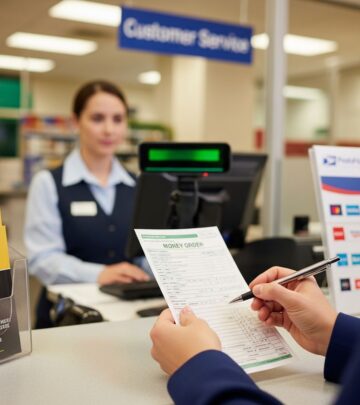
The process of purchasing a money order is straightforward and typically takes just a few minutes. Here are the general steps:
Step 1: Choose Your Location – Determine which institution offers the best combination of convenience and cost for your needs.
Step 2: Gather Required Information – Have the payee’s name ready and know the exact amount you want to send.
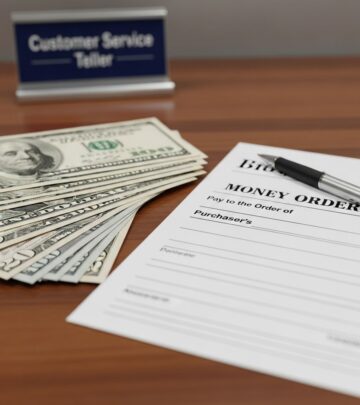
Step 3: Provide Payment – Pay the money order amount plus the issuer’s fee using cash or a debit card. Note that most institutions do not accept credit cards for money order purchases.
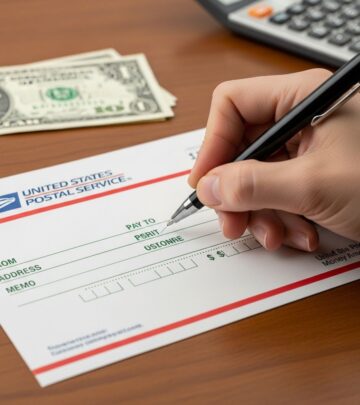
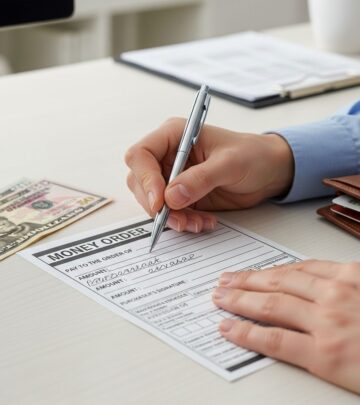
Step 4: Complete the Form – Fill in the payee information and your own name as the purchaser. Sign the money order where indicated.
Step 5: Retain Your Receipt – Keep the receipt or stub, which contains a tracking number for your records. This number allows you to verify whether the money order has been cashed or deposited.
Tips for Choosing the Right Provider
Consider Total Cost
While comparing fees, consider your specific situation. If you’re sending a $200 money order, Walmart’s $1 fee offers significant savings compared to USPS’s $2.55 fee. However, if you’re already at your bank for other services, the bank’s $5 fee might be worthwhile for the convenience of handling everything in one location.
Evaluate Convenience
Geographic proximity matters when selecting where to purchase a money order. If a Walmart or grocery store is closer than the post office, the convenience may outweigh minor fee differences. Consider your work location, home location, and regular travel patterns when assessing convenience.
Check Availability of Services
Not all locations offer money order services at all times. Some post offices maintain limited hours, and some bank branches may require advance notice for certain transactions. Calling ahead to confirm availability can prevent wasted trips.
Compare Additional Services
Some institutions offer value-added services like free tracking or money order cancellation and reissuance if lost or stolen. These protections can provide peace of mind, particularly for larger amounts.
Money Order Tracking and Protection
When you purchase a money order, always retain the receipt stub provided by the issuer. This stub contains a tracking number that serves as your proof of purchase and allows you to monitor whether the money order has been cashed or deposited. Most major issuers offer online tracking services where you can check your money order’s status using this tracking number.
If a money order is lost or stolen, the tracking number is essential for obtaining a refund or replacement. The issuing institution can research the money order’s status and provide a replacement if it hasn’t been cashed. This built-in protection makes money orders significantly safer than sending cash through the mail.
International Money Orders
If you need to send money internationally, it’s important to note that the USPS discontinued the sale of international money orders in 2024, though existing international money orders can still be cashed through October 2025. For international transfers, consider alternatives like wire transfers, online money transfer services, or international ACH transfers, which may offer more competitive rates and greater flexibility.
Money Orders vs. Credit Cards
A common question is whether you can purchase money orders with a credit card. While some retailers may allow credit card transactions for money order purchases, your credit card issuer will likely classify this as a cash advance. Cash advances typically trigger additional fees (often 5% with a $10 minimum) and higher interest rates than regular purchases. The interest begins accruing immediately rather than after a grace period, making this approach significantly more expensive. For this reason, it’s best to purchase money orders using cash or a debit card.
Frequently Asked Questions
What is the maximum amount for a money order?
Most domestic money orders are limited to $1,000 per transaction. If you need to send more, you must purchase multiple money orders. Limits exist to comply with federal anti-money laundering regulations.
Can I buy a money order online?
While some institutions may offer online ordering options, most money orders must be purchased in person at physical locations. Check with your bank or the USPS website for any online purchasing options available in your area.
How long does it take for a money order to be cashed?
Money orders can typically be cashed or deposited immediately upon receipt. If deposited into a bank account, funds generally become available within one to two business days, similar to check deposits.
What if my money order is lost or stolen?
Keep your receipt with the tracking number. Contact the issuing institution and provide the tracking number. If the money order hasn’t been cashed, you can request a replacement or refund, though this process may take several weeks.
Do I need a bank account to buy a money order?
No. Money orders are accessible to anyone with cash or a debit card. This makes them ideal for unbanked or underbanked individuals who need a secure payment method.
Which institution offers the lowest money order fees?
Walmart offers the most competitive flat fee of $1 for any amount up to $1,000. The USPS also offers competitive rates at $2.55 for amounts up to $500.
Conclusion
Money orders remain a practical, secure, and affordable payment method for countless transactions. Whether you choose to purchase through the USPS, Walmart, your bank, a grocery store, or a convenience store depends on your priorities regarding cost, convenience, and location. By understanding your options and comparing fees, you can select the most economical and accessible provider for your specific needs. Remember to always retain your receipt for tracking purposes and to protect yourself should any issues arise with your money order transaction.
References
- How Do Money Orders Work? — Bankrate. 2025. https://www.bankrate.com/banking/how-do-money-orders-work/
- Where to Get a Money Order: Best Places to Purchase One — Bankrate. 2025. https://www.bankrate.com/banking/where-to-get-money-order/
- How To Fill Out A Money Order Step-By-Step — Bankrate. 2025. https://www.bankrate.com/banking/how-to-fill-out-a-money-order/
- Cashier’s Check vs. Money Order: What’s The Difference? — Bankrate. 2025. https://www.bankrate.com/banking/cashiers-check-vs-money-order-what-is-the-difference/
- Can You Buy a Money Order with Your Credit Card? — Bankrate. 2025. https://www.bankrate.com/credit-cards/advice/how-to-buy-money-order-with-credit-card/
- Providing Non-Bank Financial Services for the Underserved — U.S. Postal Service Office of Inspector General. 2023. https://www.uspsoig.gov/sites/default/files/reports/2023-01/rarc-wp-14-007_0.pdf
Similar Articles








Read full bio of medha deb