Where to Exchange Currency Without Paying Large Fees
Learn smart strategies to exchange currency at the best rates with minimal fees for international travel.
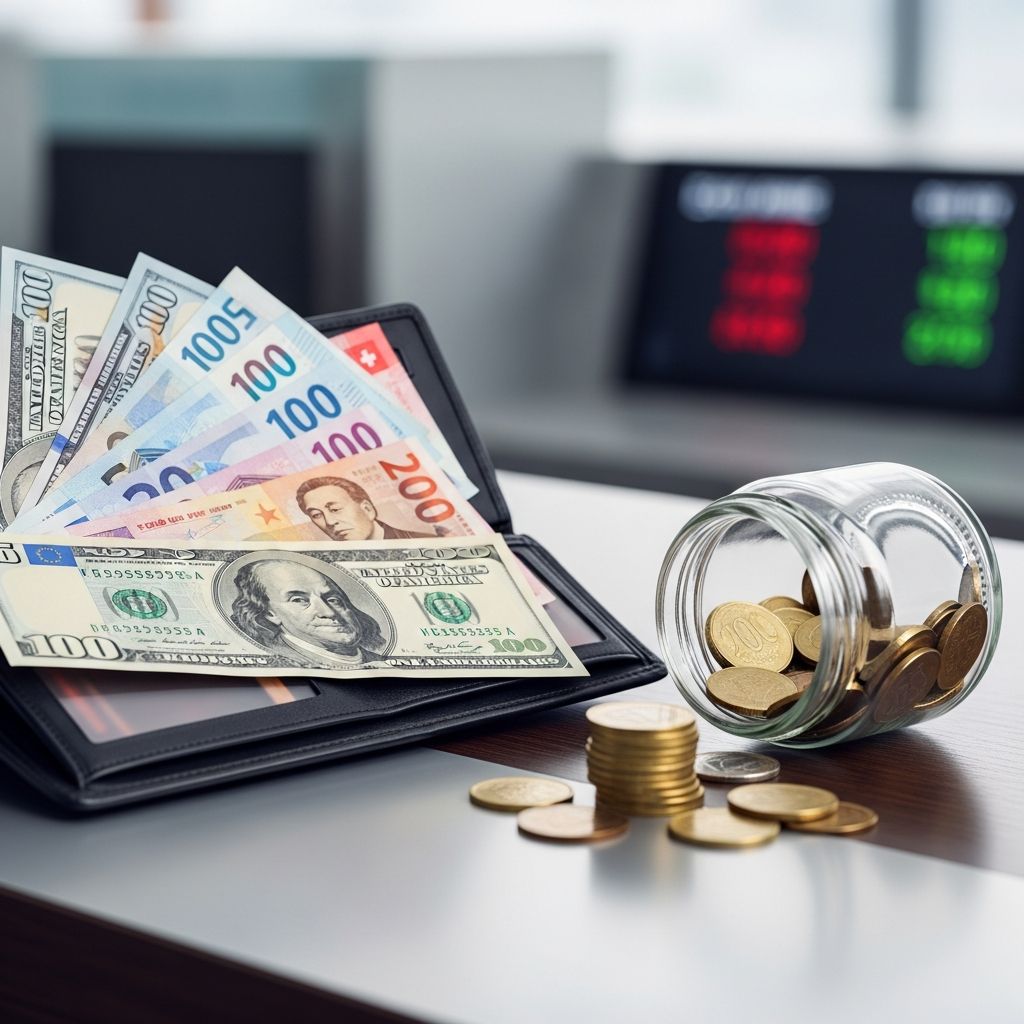
Currency exchange is a common necessity for travelers, international shoppers, and anyone conducting business overseas. However, exchanging currency isn’t free—it typically involves an exchange rate and other fees that can significantly impact how much money you receive. Excessive fees can substantially reduce your purchasing power abroad, making it essential to understand where and how to exchange currency efficiently. To effectively exchange money, you should know the fundamentals of currency exchange, available fees, and the best places to exchange currency for minimal costs.
Understanding Common Currency Exchange Fees
Currency exchange is rarely free, and providers often apply fees on top of the spread. Understanding what fees you might encounter is crucial for making informed decisions about where to exchange your money.
Commission Fees
Many currency exchange services charge a commission fee, which is one of the most common charges you’ll encounter. Fees are generally either a percentage of the transaction or a flat rate. Banks, for example, may charge a 1–3 percent commission on foreign currency exchanges. This means on a $1,000 exchange, you could pay between $10 and $30 just in commission fees.
Service Fees
Some providers add service fees that cover handling and administrative costs. These are particularly common in airport exchange booths and tourist-heavy locations, where convenience drives up the price. Airport exchanges can charge significantly more than other options due to their premium location and extended operating hours.
Foreign Transaction Fees
If you’re withdrawing currency from a foreign ATM or making purchases with a credit card abroad, be aware of foreign transaction fees, which typically range from 1–3 percent. However, you can avoid these fees by using certain credit cards that don’t charge foreign transaction fees. Many premium travel credit cards specifically eliminate these charges to benefit frequent travelers.
Minimum Fees for Small Transactions
Certain providers impose minimum fees, which can disproportionately affect those exchanging small amounts of currency. For example, a $5 minimum fee on a $50 exchange represents a 10 percent charge, far exceeding typical percentage-based fees.
Conversion Fees
When exchanging non-local currency for another foreign currency (such as exchanging USD for EUR in a non-EU country), fees can often be higher due to double conversion charges. This means you’re paying to convert from one currency to another, then again to convert to your destination currency.
Best Places to Exchange Currency
The location where you exchange your money significantly impacts the fees you’ll pay. Understanding your options helps you make the best choice for your situation.
Local Banks and Credit Unions
Using a local bank or credit union is often the best choice to exchange currency. These institutions typically offer more competitive rates than tourist-oriented exchanges and charge reasonable fees. Banks often allow you to order foreign currency in advance, ensuring you have the exact amount you need. Many banks post their exchange rates online, allowing you to compare rates with other options before deciding if your bank offers the best rates for the currency you need.
International ATMs
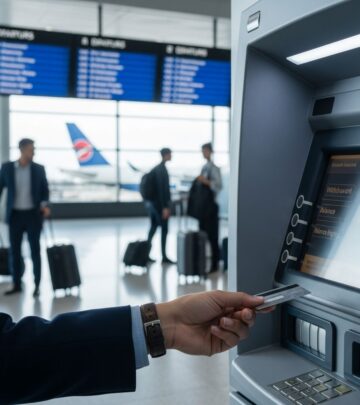
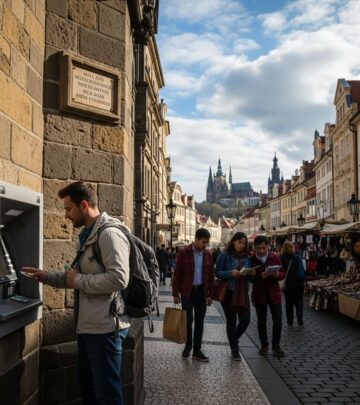
International ATMs are frequently one of the most cost-effective ways to obtain foreign currency. These machines typically charge lower fees than exchange booths, though some do charge flat fees of $2–$5 per transaction. The advantage of ATMs is that you typically get the wholesale exchange rate, which is much better than retail rates offered by exchange booths. Additionally, some major US banks have partnerships with European and other international bank chains, allowing you to use their ATMs with no fees at all.
Online Exchange Services
Online currency exchange platforms have emerged as increasingly popular alternatives to traditional brick-and-mortar exchanges. These platforms often have several distinct advantages:
- Lower fees: These platforms often have lower or no fees, as they don’t have the physical costs associated with brick-and-mortar exchanges.
- Rate transparency: Online services provide real-time rates and often show a comparison with bank rates, making it easy to see your potential savings.
- User-friendly: The process is simple and often faster than going to a physical location, allowing you to exchange money from your home or office.
Online services can be particularly beneficial for those exchanging larger amounts, as they typically offer better rates and lower fees than traditional exchanges.
Airport Exchange Booths
While convenient, airport exchange booths should generally be avoided if possible. These locations typically charge the highest fees and offer the poorest exchange rates due to their captive audience and premium location costs. If you must use an airport exchange, try to exchange only a small amount to cover initial expenses, then find better rates at local banks or ATMs after you arrive at your destination.
Hotel Exchanges
Similar to airport booths, hotel exchanges are typically laden with fees and poor exchange rates. Hotels charge premium prices for the convenience of exchanging money on-site. It’s generally better to seek out local banks or ATMs in the city where you’re staying.
Fee Structures: Flat vs. Percentage-Based
Understanding different fee structures helps you calculate the true cost of your currency exchange.
Flat Fees
Some exchange providers charge a flat fee per transaction. These can make smaller exchanges expensive relative to the amount you’re converting. For example, a $5 flat fee on a $100 exchange represents a 5 percent cost, which is significantly higher than the typical 1–3 percent commission. Always ask about any flat fees in advance, and consider exchanging larger sums to minimize the impact of this fee.
Percentage Fees
Many currency exchange providers charge a percentage-based fee on the total amount exchanged. This fee structure can become costly if you’re exchanging large amounts of money. However, percentage fees are generally more proportional and predictable than flat fees. Always compare percentage-based fees before making any decisions, as rates can vary significantly between providers.
Tips for Minimizing Currency Exchange Fees
Smart planning and strategic decision-making can significantly reduce your currency exchange costs.
Avoid High Minimums
Some banks have minimum exchange amounts for foreign currencies. Contact your bank in advance to confirm requirements, especially if you only need a small amount. Planning your currency needs ahead of time prevents surprises and allows you to shop around for better rates.
Check the Rates
Major banks often post their exchange rates online, allowing you to compare rates with other options. This research helps you decide if your bank offers the best money exchange rates for the currency you need. Taking time to compare even a small percentage difference can save you significant money on larger exchanges.
Place Orders in Advance
Banks may not carry every foreign currency in all branches, so ordering in advance ensures you get the currency you need. This also prevents you from making rushed decisions at airport exchanges due to lack of availability elsewhere. Advanced planning typically results in better rates and lower fees.
Use Fee-Free Credit Cards
Some credit cards don’t charge foreign transaction fees, making them excellent options for international travel. Using these cards can eliminate 2–3 percent in fees on each transaction, which adds up quickly for frequent travelers or large purchases.
Batch Your Transactions
If a provider charges minimum fees or per-transaction charges, batching your currency exchanges together can help you avoid unnecessary fees. Rather than making multiple small exchanges, consolidate your needs into one or two larger transactions.
Comparing Exchange Options: A Quick Reference
| Exchange Option | Typical Fees | Exchange Rate Quality | Convenience | Best For |
|---|---|---|---|---|
| Local Banks | 1–3% | Good | Moderate | Standard exchanges |
| ATMs | $2–5 flat or low % | Excellent | High | Quick cash access |
| Online Services | Low to none | Excellent | High | Large amounts |
| Airport Booths | 3–5%+ | Poor | Very High | Emergency only |
| Hotels | 2–5% | Poor | Very High | Small amounts |
Frequently Asked Questions
What is the best place to exchange currency?
Using a local bank or credit union is often the best choice to exchange currency, along with certain international ATMs. It’s best to avoid exchange kiosks in airports or hotels, which are typically laden with fees and poor exchange rates. Online services are also excellent options for those who need to exchange larger amounts or prefer the convenience of digital transactions.
How much does currency exchange typically cost?
Currency exchange typically involves multiple fees. Commission fees range from 1–3 percent, while service fees vary by provider. Foreign transaction fees typically range from 1–3 percent. Dynamic currency conversion can cost as much as 3–12 percent. The total cost depends on where you exchange and which method you use.
Should I exchange money before traveling or after I arrive?
Exchanging money before traveling allows you to lock in rates and avoid airport exchanges. However, exchanging a small amount at your local bank and withdrawing cash from ATMs at your destination often results in better overall rates. This hybrid approach gives you peace of mind while minimizing fees.
Are online currency exchanges safe?
Established online currency exchange services are generally safe, particularly those regulated by financial authorities. Always verify that the service is legitimate, check for encryption on their website, and read reviews from other users. Major online exchange platforms offer secure transactions and buyer protection.
What factors influence currency exchange rates?
Various factors influence monetary exchange. Depending on the country, market forces or central banks of nations may determine currency exchange rates. For example, the U.S. Federal Reserve doesn’t target a specific level, nor does the United Kingdom. Alternatively, some countries like Bahrain fix their exchange rates. Supply and demand, interest rates, inflation, and geopolitical events all influence exchange rates.
Can I avoid foreign transaction fees?
Yes, you can avoid foreign transaction fees by using credit cards that don’t charge them. Many premium travel credit cards specifically eliminate foreign transaction fees. Additionally, using ATMs with low or no fees and exchanging money through local banks or online services can reduce or eliminate various fees.
What is dynamic currency conversion?
Dynamic currency conversion (DCC) is a service offered by merchants that converts your purchase into your home currency at the payment terminal. While this seems convenient, DCC fees typically range from 3–12 percent and are significantly more expensive than standard currency conversion. It’s generally better to pay in the local currency and let your bank handle the conversion.
Conclusion
Minimizing currency exchange fees requires planning, research, and strategic decision-making. By understanding the various fees associated with currency exchange and knowing where to find the best rates, you can significantly reduce the cost of your international transactions. Local banks, international ATMs, and online exchange services typically offer the best combination of competitive rates and reasonable fees. Avoiding airport exchanges, hotels, and other tourist-oriented options helps preserve your travel budget. Remember to compare rates in advance, order currency ahead of time when possible, and consider using credit cards without foreign transaction fees for your international purchases. With these strategies in place, you can exchange currency efficiently and keep more of your money for the experiences that matter most.
References
- Foreign transaction fees vs. currency conversion fees — Bankrate. 2025. https://www.bankrate.com/personal-finance/foreign-transaction-fees-vs-currency-conversion-fees/
- Where to exchange currency without paying large fees — Bankrate. 2025. https://www.bankrate.com/personal-finance/where-to-exchange-currency-without-paying-large-fees/
- What are the typical fees associated with money exchange? — Bankrate. 2025. https://www.bankrate.com/personal-finance/fees-associated-with-money-exchange/
- What to consider and how to save money exchanging currency — Bankrate. 2025. https://www.bankrate.com/banking/exchanging-currency/
- A Guide To Foreign Transaction Fees — Bankrate. 2025. https://www.bankrate.com/credit-cards/travel/a-guide-to-foreign-transaction-fees/
- Overseas Card Fees (and How to Avoid Them) — Rick Steves Europe. 2025. https://www.ricksteves.com/travel-tips/money/card-fees
Similar Articles








Read full bio of Sneha Tete