Where Is The Account Number On A Check: Easy Guide
Learn to locate your account number on checks and understand banking fundamentals.
Where Is the Account Number on a Check
Understanding the numbers printed on your checks is essential for managing your finances effectively. Whether you’re setting up direct deposits, making electronic payments, or troubleshooting banking issues, knowing where to find your account number is a fundamental skill. Your checks contain several important pieces of information, each serving a specific purpose in the banking system. This guide will help you locate your account number on a check and explain how it works in conjunction with other banking identifiers.
Understanding Check Numbers
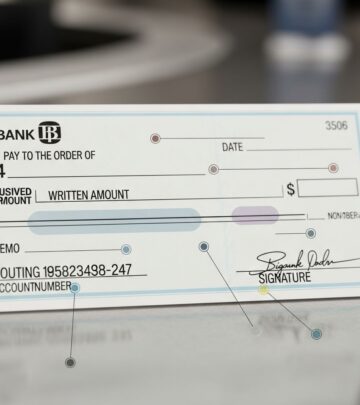
At the bottom of every check, you’ll notice three distinct groups of numbers. Each group serves a different purpose in the banking infrastructure. The first group identifies your bank, the second identifies your specific account, and the third identifies the individual check. Learning to distinguish between these numbers will make banking transactions smoother and help you avoid errors when providing banking information to employers, creditors, or service providers.
The Routing Number
The routing number is the first set of nine-digit numbers located in the bottom left corner of your check. This number, also called a routing transit number (RTN) or ABA number, uniquely identifies your financial institution. Think of the routing number as the address of your bank—it tells the banking system where your account is held. Each bank has its own routing number, and larger banks may have multiple routing numbers depending on the state where you opened your account or the type of transaction being processed. The routing number is considered public information and is the same for all customers of a particular bank branch or region.
How Routing Numbers Work
Routing numbers facilitate electronic transactions such as direct deposits, automatic bill payments, wire transfers, and digital check processing. When you provide your routing number to an employer for direct deposit setup, they use it to send your paycheck to the correct financial institution. Similarly, when you set up automatic payments, the creditor uses your routing number to locate your bank and process the transaction correctly. Without the correct routing number, funds may be misdirected or the transaction may fail entirely.
The Account Number
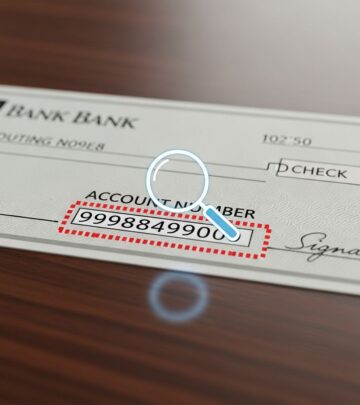
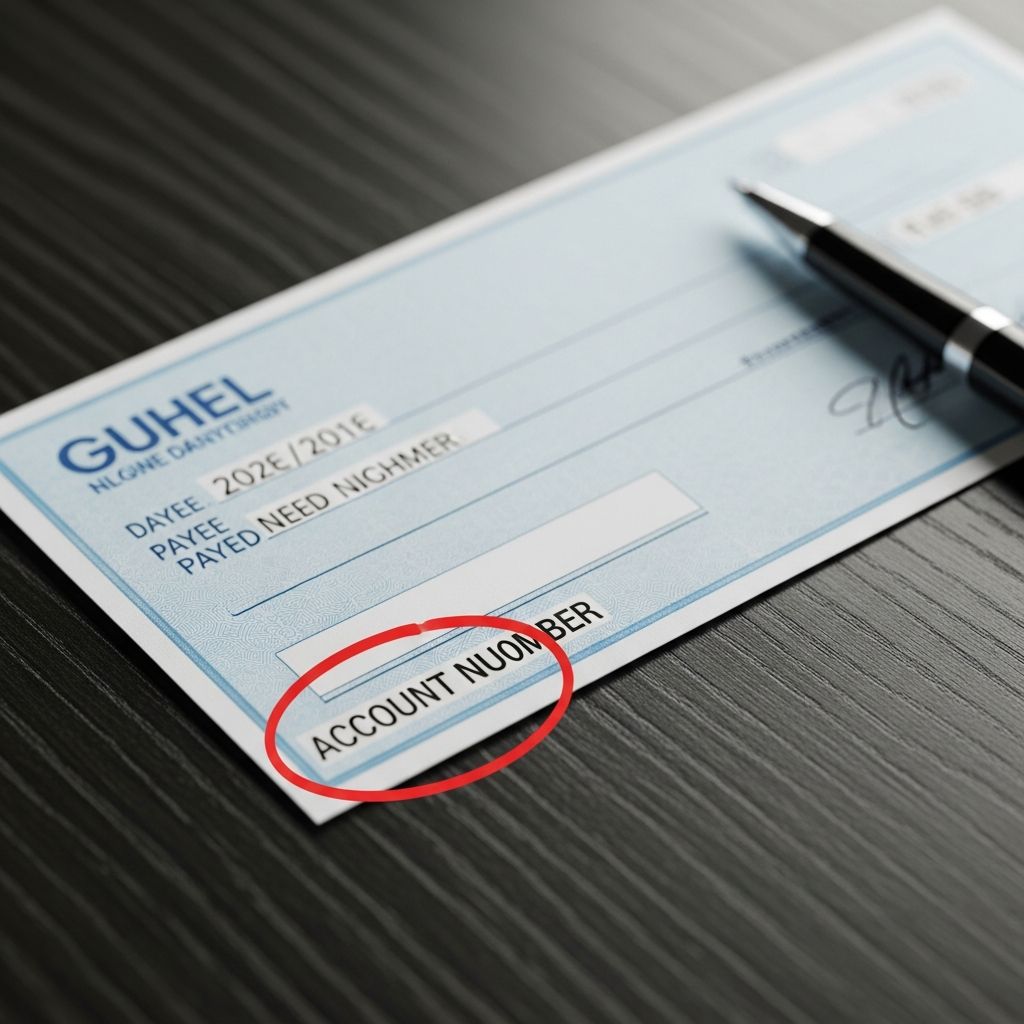
Your account number is the second set of numbers on your check, appearing immediately after the routing number and before the check number. This number typically contains between 9 and 12 digits, making it the longest of the three number groups on your check. Unlike the routing number, your account number is private and unique to you—it identifies your specific account within your bank’s system. This number ensures that when funds are transferred or withdrawn, they come from or go to the correct account at your financial institution.
Why Account Numbers Matter
Your account number is critical information that should be treated with care. While your routing number is public, your account number should only be shared with trusted entities like your employer, creditors, or service providers. Protecting your account number helps prevent unauthorized access to your funds. When you provide banking information for direct deposits, automatic payments, or other electronic transactions, always verify you’re providing this information through secure channels.
The Check Number
The third group of numbers on your check is the check number, which appears at the far right of the bottom line. This is a sequential number that identifies the individual check within your checkbook. Check numbers help you track which checks you’ve written and when. Banks use check numbers to record transactions in your account history, making it easier to reconcile your checkbook with your monthly bank statement.
Visual Layout of Check Numbers
To help you understand the layout, here’s a typical arrangement at the bottom of a check:
| Position | Number Type | Number of Digits | Purpose | Visibility |
|---|---|---|---|---|
| First (Left) | Routing Number | 9 digits | Identifies your bank | Public |
| Second (Middle) | Account Number | 9-12 digits | Identifies your account | Private |
| Third (Right) | Check Number | Varies | Identifies individual check | Semi-private |
How to Identify Your Account Number on a Check
If you’re having trouble locating your account number on a check, remember these key identifiers. The account number is always the second set of numbers from the left. It’s separated from the routing number by a special character (usually a colon or vertical bar), and it’s typically the longest of the number groups. If you’re unsure whether you’re looking at your account number or check number, choose the longer number—that’s your account number.
Special Characters on Checks
Banks use special characters like colons (:) or vertical bars (|) to separate the different number groups on checks. These characters help both machines and people read the checks accurately. The characters themselves are not part of the numbers—they’re simply visual separators. When recording your banking information for any transaction, never include these special characters as part of your numbers.
Finding Your Account Number Without a Check
Not everyone has access to physical checks, and in our increasingly digital world, many people rarely write checks. Fortunately, there are several reliable ways to find your account number without having a check on hand.
Online Banking Platforms
Most banks provide easy access to your account number through their online banking websites. Simply log into your account and look for sections labeled “Account Details,” “Account Information,” or “Account & Routing Number.” Major banks like Chase, PNC Bank, Citizens Bank, and KeyBank all display this information prominently on their websites once you’ve logged in securely.
Mobile Banking Applications
Your bank’s mobile app is often the quickest way to access your account number. After signing in, navigate to your account settings or information section, typically labeled “Account Info” or “Account Details.” The app will display both your routing number and account number together, making it convenient to access this information whenever you need it.
Bank Statements
Your monthly bank statement, whether received by mail or accessed electronically, displays your account number. Look for a section showing your account information—it’s usually prominently displayed at the top or in an account summary section. If you’ve set up paperless banking, you can access your statements through your bank’s website or app anytime.
Contacting Your Bank
If you prefer direct assistance, you can call your bank’s customer service line or visit a branch in person. Bank representatives can provide your account and routing numbers over the phone (after verifying your identity) or in person if you show a valid ID. This method is particularly useful if you have questions about which number to use for a specific type of transaction.
When You Need Your Account Number
There are numerous situations where you’ll need to provide your account number along with your routing number. Understanding when and why you need these numbers helps ensure you provide them to the right entities through secure channels.
Common Scenarios Requiring Account Numbers
– Direct Deposit Setup: Employers need both your routing and account numbers to deposit your paycheck directly into your account- Automatic Bill Payments: Creditors and service providers use these numbers to automatically withdraw payments from your account- Wire Transfers: Whether receiving or sending money, you may need to provide your account number- Setting Up Recurring Transfers: Moving money between your accounts or to another person’s account- ACH Transfers: Automated Clearing House transfers require account and routing numbers- Check Ordering: When ordering new checks, your account number is used to customize them with your information
Security Considerations
While routing numbers are public information, your account number should be treated as confidential. Only provide your account number to entities you trust completely, and always use secure channels for transmission. Be cautious about sharing this information via email, text message, or phone with unknown callers. Legitimate businesses will never contact you asking for your account number unsolicited.
Routing Numbers Vary by Location and Transaction Type
It’s important to note that larger banks may have different routing numbers depending on where you opened your account and the type of transaction you’re making. For example, your routing number for ACH transactions might differ from your routing number for wire transfers. When setting up a transaction, always verify you’re using the correct routing number for that specific transaction type. Your bank can clarify which routing number to use for your particular situation.
Understanding Check Reading Basics
Beyond locating your account number, understanding the complete anatomy of a check helps you write and manage checks more effectively. Your check includes spaces for the date, payee name, amount (both written and numerical), your signature, and memo line. The bank name and your personal information appear at the top, while the important numeric codes appear at the bottom. Knowing how to read all these elements ensures you write accurate checks and understand your banking information completely.
Frequently Asked Questions
Q: How many digits is an account number on a check?
A: Account numbers typically contain between 9 and 12 digits, making them the longest of the three number groups found on the bottom of a check. The exact length can vary depending on your bank.
Q: Can I use just my account number without the routing number for transactions?
A: No. Most electronic transactions require both your routing number and account number. The routing number identifies which bank to send the money to, while the account number identifies which account at that bank. Using both together ensures funds reach the correct destination.
Q: Is my account number private or public information?
A: Your account number is private and unique to you. Unlike routing numbers, which are public, account numbers should only be shared with trusted entities like employers, creditors, and service providers. Treat your account number similarly to how you’d protect other sensitive financial information.
Q: Can I find my account number on my debit card?
A: Debit cards typically display different numbers than your account number—usually the card number and security features. Your account number appears on checks, bank statements, and through your online banking platform, but not on your debit card.
Q: What should I do if I provide my account number to the wrong entity?
A: Contact your bank immediately. They can monitor your account for unauthorized activity and, if necessary, issue you a new account number or close the account and open a new one to protect your funds.
Q: Do all banks use the same format for check numbers?
A: While all banks place routing numbers, account numbers, and check numbers in the same positions at the bottom of checks, the exact format may vary slightly. The principles remain consistent across all U.S. banks participating in the standard check clearing system.
Q: Can I get my account and routing numbers without logging into online banking?
A: Yes. You can call your bank’s customer service line, visit a branch in person with valid ID, check your monthly bank statement, or look at any checks you have available. All these methods will provide your account and routing numbers.
Best Practices for Managing Your Banking Numbers
Develop good habits when handling your banking information. Keep your account number secure and share it only when necessary through secure channels. Store your bank statements safely, maintain current contact information with your bank, and regularly review your account activity for any unauthorized transactions. When you no longer need old checks, shred them rather than disposing of them in the trash, as they contain sensitive banking information.
Conclusion
Your account number is a critical piece of financial information that appears on every check you have. Located as the second set of numbers at the bottom of your check, typically containing 9 to 12 digits, this number uniquely identifies your specific account within your bank’s system. Understanding where your account number is located, how it differs from your routing number, and how to access it without a check will make managing your finances more efficient and secure. Whether you need it for direct deposit setup, automatic bill payments, or any other banking transaction, knowing how to quickly locate and safely manage your account number is an essential skill in today’s financial landscape.
References
- Routing and Account Number Information — Chase Bank. Accessed November 2025. https://www.chase.com/personal/checking/routing-numbers
- Find Your Full Account and Routing Numbers — PNC Bank. Accessed November 2025. https://www.pnc.com/en/customer-service/routing-number.html
- How to Find Your Citizens Routing Number and Account Number — Citizens Bank. Accessed November 2025. https://www.citizensbank.com/learning/citizens-bank-routing-number.aspx
- How to Read a Check — Huntington Bank. Accessed November 2025. https://www.huntington.com/learn/checking-basics/how-to-read-a-check
- Find Your Checking Account & Routing Number — KeyBank. Accessed November 2025. https://www.key.com/personal/customer-support/locate-routing-number.html
- How To: Identifying Numbers On Your Check — Bank Five Nine. Accessed November 2025. https://www.bankfivenine.com/everyday-money/how-to-identifying-numbers-on-check/
- Locate Routing and Account Numbers on a Check — Nationwide. Accessed November 2025. https://www.nationwide.com/lc/resources/personal-finance/articles/routing-and-account-numbers
Similar Articles








Read full bio of medha deb