Account Number On A Check: 6 Ways To Find It
Learn how to locate your account number and routing number on checks quickly.
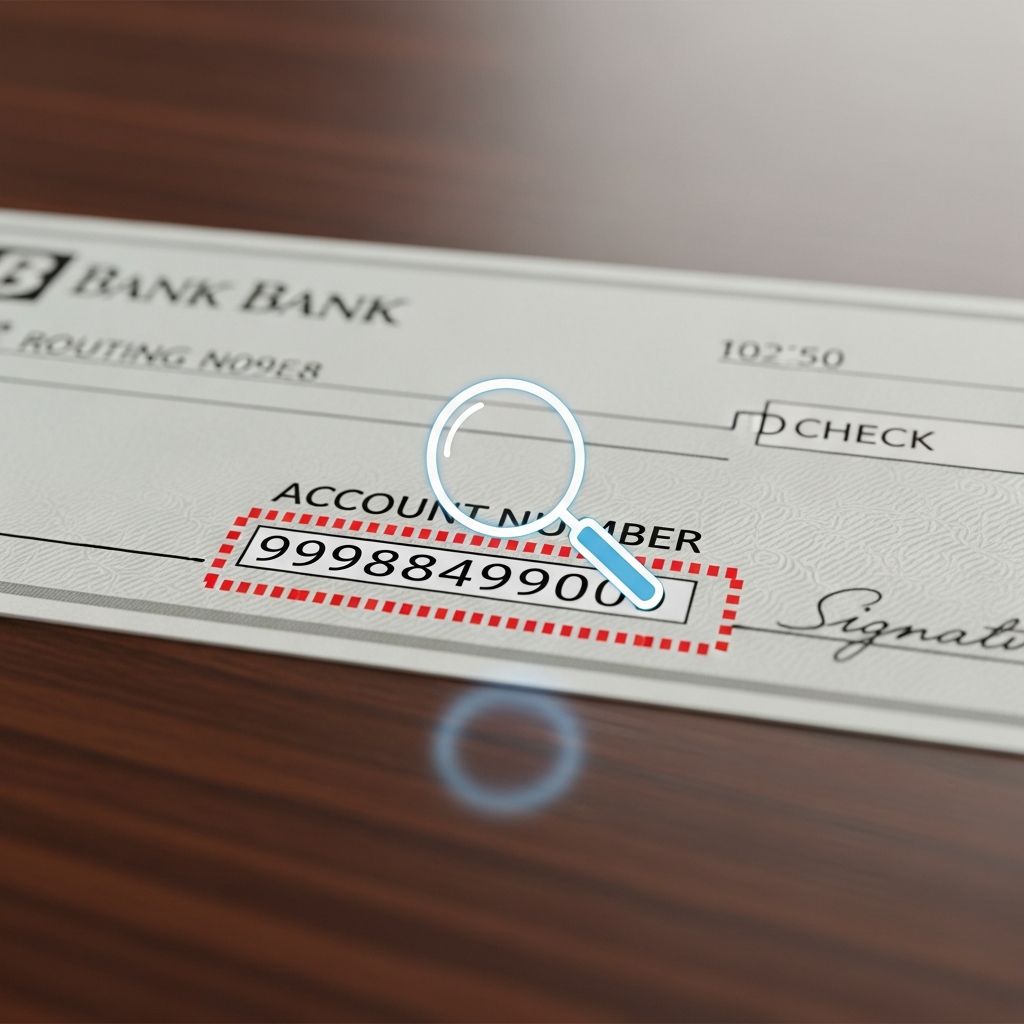
Where Is the Account Number on a Check?
Understanding where to find your account number on a check is essential for managing your finances, especially when you need to set up direct deposits, make wire transfers, or pay bills. Your account number is one of the most important pieces of information associated with your bank account, and knowing where to locate it can save you time and prevent errors. Whether you’re a new account holder or simply need a quick refresher, this guide will walk you through exactly where these critical numbers are located and how to use them.
Understanding Check Numbers: The Three Sets of Digits
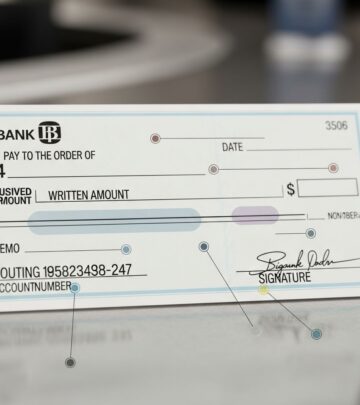
At the bottom of every check, you’ll find three distinct sets of numbers separated by special symbols. These symbols help bank processing equipment read and sort the information accurately. Understanding what each set represents is crucial for properly managing your banking needs and ensuring your transactions are processed correctly.
The Three Components Explained
The bottom of a check contains three essential pieces of information that work together to facilitate banking transactions:
- Routing Number (First Set): Located on the far left, this nine-digit code identifies your specific bank or credit union. It’s sometimes referred to as a transit number and typically begins with 0, 1, 2, or 3.
- Account Number (Second Set): Positioned in the middle section, this unique identifier belongs exclusively to your personal bank account. It typically ranges from 8 to 12 digits in length.
- Check Number (Third Set): Found on the far right, this sequential number identifies the specific check within your checkbook.
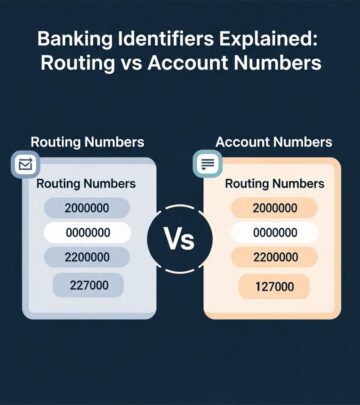
These three identifiers work together like a complete address system. Think of your routing number as the city and state, while your account number is like your street address. Both are necessary for money to be properly routed into and out of your account.
Locating Your Account Number on a Check
Finding your account number on a physical check is straightforward once you know what to look for. Your account number is always the second set of numbers at the bottom of the check, making it easy to identify once you understand the layout.
Step-by-Step Identification
To locate your account number on a check:
- Examine the bottom of the check where you see three groups of numbers
- Skip the first group on the left (the routing number)
- The middle section is your account number
- Note that the character symbols surrounding the numbers are not part of your account number
If you’re unsure whether a number is your account number or check number, simply choose the longer number. Your account number is typically longer than your check number and is always the middle set of digits. This private number is unique to your bank account and serves as your personal identifier within your financial institution’s system.
Where to Find Your Routing Number
Your routing number is equally important as your account number and is located in a specific position on your check. Understanding its location helps you quickly identify both pieces of information you might need for various banking transactions.
Identifying the Routing Number on Your Check
The routing number appears as the first set of nine digits in the bottom left corner of your check. This public information identifies your bank or financial institution and is used for electronic transactions like direct deposits, wire transfers, and ACH payments. Large banks often have multiple routing numbers for different states or transaction types, while smaller banks typically operate with a single routing number.
The routing number is always nine digits long and typically begins with 0, 1, 2, or 3. Remember that any special symbols surrounding these numbers are not part of the routing number itself—only the nine digits count.
Finding Your Numbers Without a Check
Not everyone has access to physical checks, and there are many situations where you might need your account or routing number without having a checkbook available. Fortunately, several alternative methods can help you locate this information quickly.
Online Banking
Logging into your bank account online is one of the most convenient ways to find your routing and account numbers. Navigate to the account information or account summary section, where your routing number is typically listed in the account details area. The exact location may vary depending on your specific bank’s website design.
Mobile Banking Application
Most mobile banking apps display routing numbers in their account information sections. Look for settings, account details, or direct deposit information tabs within your app to find these numbers quickly. Mobile apps have become the standard for accessing banking information and typically provide the most user-friendly interface for this task.
Bank Statements
Some banks include your routing number on your monthly bank statement, though not all do. Check your paper statements if you receive them, or access your electronic statements through your bank’s website or mobile app. Your account number will definitely appear on your bank statements, making this a reliable alternative source.
Customer Service Contact
You can always contact your bank’s customer service team to ask for your routing number or confirm one you’ve found. Bank representatives can provide accurate information and answer any questions you have about your account numbers.
In-Person Bank Visit
Visiting your local branch allows you to speak directly with a bank teller who can provide your routing number in person. Some banks even display routing numbers in their lobbies for customer convenience.
Bank’s Official Website
Many banks list their routing numbers on their public websites, often in the FAQ section or on pages dedicated to direct deposit or wire transfer information. This is typically a quick and easy way to find the routing number for your specific bank and state.
How Account and Routing Numbers Work Together
Your account number and routing number are complementary pieces of information that together form a complete banking identifier. Understanding how they work in tandem is important for successfully completing financial transactions.
The routing number directs money to the correct financial institution, while your account number ensures it goes to your specific account within that institution. Using both unique identifiers helps reduce fraud, as your account number is specific to you and your bank’s routing number is specific to your bank. This dual-identifier system creates a secure way to move money electronically.
Verifying Your Routing Number
When sending money, especially large amounts, it’s crucial to verify that you have the correct routing number. Incorrect routing information can cause delays or misdirect your funds entirely.
Reliable Verification Methods
- Contact Your Bank Directly: Call your bank’s customer service or visit a branch in person. You can also check the bank’s official website for routing number information.
- Use the ABA Routing Number Lookup: The American Bankers Association maintains an official Routing Number Verification tool specifically designed to verify routing numbers.
- Check the Federal Reserve Website: The Federal Reserve E-Payments Routing Directory provides authoritative information on routing numbers.
Remember that routing numbers are public information, so verification doesn’t require sharing any personal account details with anyone.
Security Considerations
While your account number and routing number are necessary for legitimate banking transactions, it’s important to handle them with appropriate care. Never share your account number with anyone unless you’re initiating a financial transaction or setting up a legitimate service.
When sharing these numbers online, always ensure you’re on your bank’s official website by typing the URL directly into your browser rather than clicking links in emails. This helps protect you from phishing scams designed to steal your banking information.
Common Uses for Your Account and Routing Numbers
Knowing where to find your account and routing numbers is essential because you’ll need them for various banking purposes:
- Setting up direct deposits for your paycheck
- Arranging automatic bill payments
- Making wire transfers to other accounts
- Setting up ACH transfers between accounts
- Providing information to employers or government agencies
- Connecting your bank account to third-party financial applications
Frequently Asked Questions
Q: Are my account and routing numbers the same for all my checks?
A: Yes, your account number and routing number remain the same across all your checks. The only number that changes is the check number, which increments with each check.
Q: Can I change my account number or routing number?
A: Your routing number is determined by your bank and branch location, so you cannot change it. Your account number is also fixed to your account and cannot be changed. However, if you open a new account, you’ll receive a new account number and may have a different routing number depending on your new account type or branch.
Q: What if I can’t find my account number on my check?
A: If your check doesn’t clearly show your account number, contact your bank directly. You can also log into your online banking account or mobile app to find this information, or visit a branch in person for assistance.
Q: Is it safe to give my routing number to someone?
A: Yes, your routing number is public information and safe to share. However, be cautious about sharing your full account number. Only provide both your routing and account numbers to trusted entities like your employer, your bank, or established financial services when setting up legitimate transactions.
Q: How long are routing numbers and account numbers?
A: Routing numbers are always exactly 9 digits long. Account numbers typically range from 8 to 12 digits, depending on your bank, though some banks may have different lengths.
Q: What should I do if I lose my checks?
A: If you lose your checks, you can still access your account and routing numbers through your online banking portal, mobile app, bank statement, or by contacting your bank directly. You don’t need physical checks to access this information.
References
- Routing Number: What It Is And How To Find Yours — Bankrate. 2025. https://www.bankrate.com/banking/checking/what-is-a-routing-number/
- Locate Routing and Account Numbers on a Check — Nationwide. https://www.nationwide.com/lc/resources/personal-finance/articles/routing-and-account-numbers
Similar Articles








Read full bio of Sneha Tete