Where Can I Get a Money Order: Complete Guide
Find money orders at banks, post offices, retailers, and more. Learn where to buy and how they work.
Where Can I Get a Money Order: A Comprehensive Guide
A money order is a safe and reliable method of payment that functions similarly to a check but offers greater security and guaranteed funds. Unlike personal checks that can bounce, money orders are prepaid instruments, making them an excellent choice when you need to send money securely without sharing your bank account information. Whether you’re paying a bill, sending money to a distant relative, or settling a debt, understanding where to obtain money orders is essential. This guide explores all the locations where you can purchase money orders and provides insight into the process.
What Is a Money Order?
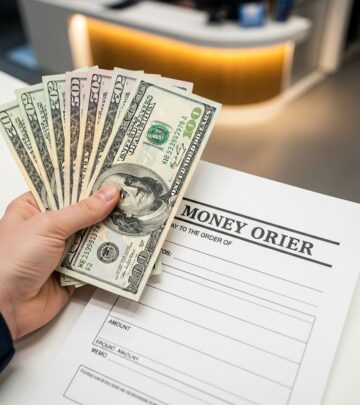
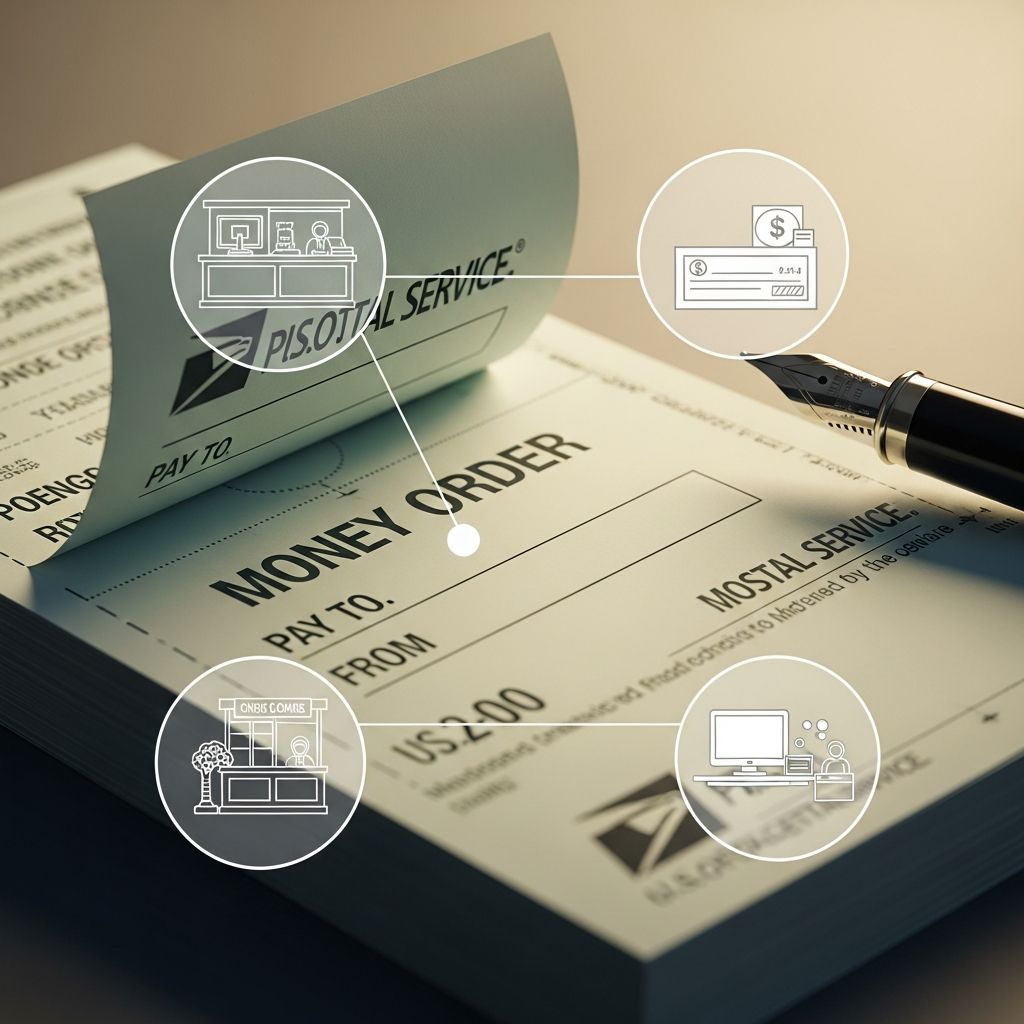
Before exploring where to get a money order, it’s important to understand what one is. A money order is a directive to pay a pre-specified amount of money from prepaid funds, making it a more trusted method of payment than a personal check. When you purchase a money order, you pay the full amount of the money order plus a small issuing fee to the vendor. The issuer then produces an official money order document that can be given to the recipient. Upon receipt, it can be exchanged for a deposit in the holder’s bank account or cashed like a regular check.
Money orders typically come with two portions: the negotiable check for remittance to the payee and a receipt or stub that you retain for your records. This dual-portion system ensures that both parties have documentation of the transaction. Most money orders in the United States have a maximum limit of $1,000, though this can vary by issuer.
Where to Purchase Money Orders
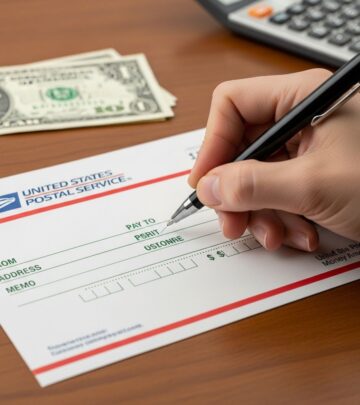
United States Postal Service (USPS)
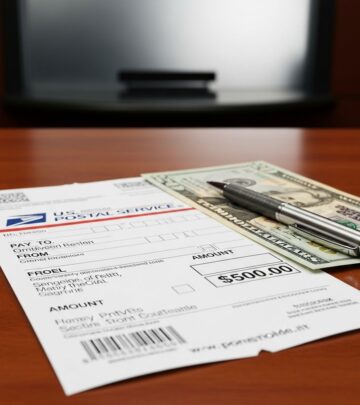
One of the most accessible and widely used locations to purchase money orders is the United States Postal Service. USPS money orders are affordable, widely accepted, and never expire, making them an excellent choice for various payment needs. Post offices are conveniently located throughout the country, and purchasing a money order at USPS is a straightforward process. The fees for USPS money orders are generally competitive, typically ranging from minimal costs for smaller amounts. You can purchase domestic postal money orders up to $1,000, and if you need to send larger amounts, you can simply purchase multiple money orders.
Banks and Credit Unions
Financial institutions like banks and credit unions offer money orders as part of their standard services. If you already maintain an account with a bank or credit union, this can be a convenient option. Banks typically charge a small fee for money orders, usually ranging from around $1 to $5 for domestic money orders. The advantage of obtaining a money order from your bank is that you likely already have a relationship with the institution and can complete the transaction during regular banking hours or through online banking platforms in some cases.
Walmart
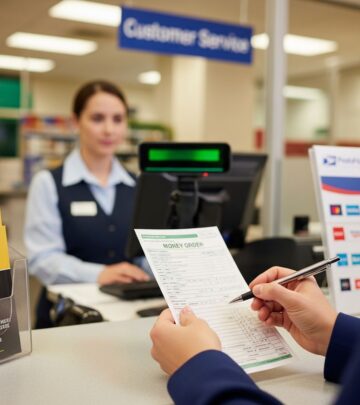
Walmart has become a popular destination for purchasing money orders. You can obtain money orders at Walmart’s customer service desk at most locations. Walmart offers competitive pricing on money orders and makes the process quick and convenient, especially if you’re already shopping at the store. The fees at Walmart are typically among the lowest in the industry, making it an economical choice for those seeking affordable money orders.
Western Union
Western Union is another major provider of money orders. With thousands of agent locations worldwide, Western Union offers convenient access to money order services. You can purchase money orders at Western Union locations, and they also provide international money order services for those needing to send funds abroad. International money orders issued by Western Union can be purchased in the currency that the seller accepts, offering flexibility for cross-border transactions.
Supermarkets and Convenience Stores
Many supermarkets and convenience stores offer money orders at their customer service desks. These retailers provide a convenient option for purchasing money orders while shopping for other items. Check with your local grocery store or convenience store to see if they offer this service, as availability can vary by location. Fees at these establishments are typically comparable to or slightly higher than those at major retailers like Walmart.
Other Retail Locations
Various other businesses may also issue money orders, including check-cashing services and some pharmacies. If you can’t find a money order at the locations mentioned above, it’s worth contacting local businesses in your area to inquire about their services. Some communities have dedicated check-cashing services that also provide money order issuance.
How to Purchase a Money Order
The process of purchasing a money order is relatively straightforward and can be completed quickly at most locations.
Step 1: Determine the Amount
First, decide how much money you want to send and ensure you have sufficient funds available. Remember that money orders typically have a maximum limit of $1,000, though this may vary by issuer. If you need to send more than $1,000, you can purchase multiple money orders.
Step 2: Choose Your Payment Method
Decide how you will fund the money order. You can generally pay for money orders with cash or a debit card. Some locations may accept credit cards, though this is less common. Ensure you have your preferred payment method available when you visit the vendor.
Step 3: Visit a Money Order Provider
Go to one of the locations listed above where money orders are sold. If you’re unsure whether a particular establishment offers money orders, you can call ahead to confirm.
Step 4: Provide Recipient Information
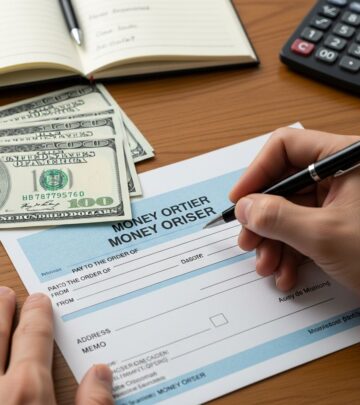
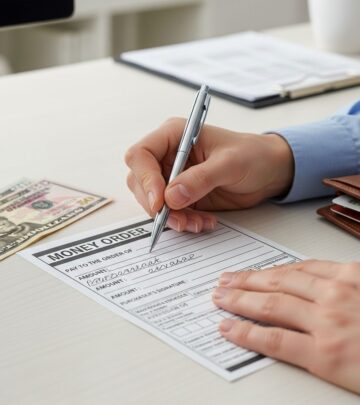
Fill out the money order with the recipient’s name and the amount to be paid. You’ll need to specify exactly who the money order is made out to, ensuring that only the intended recipient can claim it.
Step 5: Pay the Full Amount Plus Fee
Pay the full value of the money order plus the issuing fee. Fees typically range from around $1 to $5 for domestic money orders, though international money orders might cost more.
Step 6: Sign the Money Order
Sign the money order as the sender. Both you and the recipient must sign it for it to be valid, which cuts down on theft and fraud.
Step 7: Retain Your Receipt
Keep your receipt or stub for your records. This documentation proves the value of the money order if it is lost, stolen, or damaged.
Money Order Fees and Costs
Understanding the cost structure of money orders helps you make informed decisions about when and where to purchase them. Fees vary depending on the location and the amount of the money order.
| Provider | Typical Fee Range | Maximum Amount | Availability |
|---|---|---|---|
| USPS | Minimal to low | $1,000 | Throughout the country |
| Banks | $1–$5 | $1,000 (varies) | During business hours |
| Walmart | Low | $1,000 | Most locations |
| Western Union | Variable | Varies | Multiple locations |
| Supermarkets/Convenience Stores | Variable | Usually $1,000 | Select locations |
Advantages of Money Orders
Money orders offer several significant advantages over other payment methods, making them a popular choice for various transactions.
Security and Safety
Money orders are a secure way to send money because they don’t include your bank account number and help ensure that only the recipient can use them. This makes them safer than mailing cash. Additionally, money orders can only be claimed by the person or business they’re addressed to, providing protection against fraud.
Guaranteed Payment
Because money orders are prepaid, they’re a guaranteed form of payment that can’t bounce. Unlike personal checks that might be rejected for insufficient funds, money orders represent an amount of money that has already been paid. This certainty makes them attractive to recipients who want assurance that the payment will clear.
No Bank Account Required
Money orders don’t require a bank account to send money, making them a more accessible option to some. This is particularly valuable for unbanked or underbanked individuals who may not have access to traditional banking services.
Widely Accepted
Money orders are widely accepted for various purposes, including rent payments, bill payments, and debt settlements. Many landlords, utility companies, and other entities readily accept money orders as a form of payment.
Protection Against Loss or Theft
If a sender suspects that a money order has been lost or stolen, they can cancel the order to prevent someone from fraudulently cashing it. Your receipt provides documentation that can help facilitate this cancellation process.
International Money Orders
For those needing to send money internationally, international money orders offer a reliable solution. An international money order is very similar to a regular money order except that it can be used to make payments abroad. With an international money order, a buyer can easily pay a seller for goods or services if they reside in another country.
International money orders are often issued by a buyer’s bank and bought in the currency that the seller accepts. They are thought to be safer than sending currency through the post because there are various forms of identification required to cash an international money order, often including a signature and a form of photo identification. International money orders typically cost more than domestic money orders, but they provide an additional layer of security for cross-border transactions.
Alternatives to Money Orders
While money orders are valuable tools, several alternatives exist for sending money and making payments:
Cashier’s Checks
Cashier’s checks are another way to make payments with guaranteed funds. With a cashier’s check, money is taken directly from your bank account. Cashier’s checks are popular for larger payments where personal checks and cash may not be an option and are issued and signed by a financial institution representative, making them both guaranteed and widely accepted.
Wire Transfers
Wire transfers allow for the electronic transfer of funds between banks and can handle amounts larger than money order limits.
Bank Transfers and Digital Payment Apps
Services like Zelle® and various mobile banking apps offer convenient ways to transfer money electronically.
Frequently Asked Questions
Q: What is the maximum amount for a money order?
A: Most money orders have a maximum limit of $1,000, though this can vary by issuer. If you need to send more than $1,000, you can purchase multiple money orders.
Q: Do I need a bank account to purchase a money order?
A: No, you don’t need a bank account to purchase a money order. Money orders are accessible to anyone with cash or a debit card.
Q: Can a money order bounce?
A: No, money orders cannot bounce because they represent an amount of money that has already been paid rather than a bank account that may or may not have the funds available.
Q: How much does it cost to purchase a money order?
A: Fees for domestic money orders typically range from around $1 to $5, depending on the provider and location. International money orders cost more.
Q: Do money orders expire?
A: USPS money orders never expire. However, expiration policies may vary for money orders from other issuers, so it’s best to check with your specific provider.
Q: What payment methods can I use to buy a money order?
A: You can generally pay for money orders with cash or a debit card. Some locations may accept other payment methods, but cash and debit are most common.
Q: Can I cancel a money order?
A: Yes, if you suspect that a money order has been lost or stolen, you can cancel it to prevent someone from fraudulently cashing it. Your receipt will be helpful in this process.
References
- Money Order – Definition, How It Works, Types — Corporate Finance Institute. 2024. https://corporatefinanceinstitute.com/resources/valuation/money-order/
- Money Order — Legal Information Institute, Cornell Law School. 2024. https://www.law.cornell.edu/wex/money_order
- What Is a Money Order? How to Fill Out and How It Works — NerdWallet. 2024. https://www.nerdwallet.com/banking/learn/money-orders
- What Is a Money Order and How Does It Work? — Capital One. 2024. https://www.capitalone.com/learn-grow/money-management/what-is-a-money-order/
- What is a Money Order and How Do You Fill One Out? — Citizens Bank. 2024. https://www.citizensbank.com/learning/what-is-a-money-order.aspx
- Sending Money Orders — United States Postal Service. 2024. https://www.usps.com/shop/money-orders.htm
- What Is a Money Order? How It Works + Fill One Out — PayPal. 2024. https://www.paypal.com/us/money-hub/article/what-is-a-money-order
Similar Articles








Read full bio of medha deb